
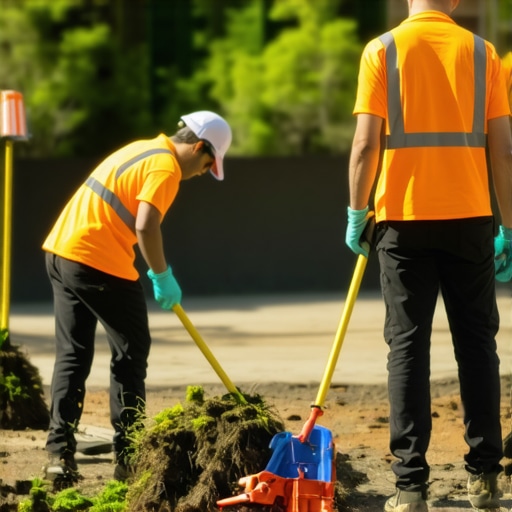
I remember the first time I watched a newly renovated home turn into a dust-filled chaos. The debris was everywhere—tiny shards of glass, stubborn drywall dust, and chemical residues that made my eyes water just to look at them. I felt overwhelmed, knowing traditional cleaning methods would only add to the pollution and delay the project. That was my lightbulb moment: I needed a way to clean efficiently, quickly, and in an environmentally conscious manner. But, was that even possible in the fast-paced world of post-construction cleanup?
Why Eco-Friendly Cleaning Makes All the Difference
Since then, I’ve dedicated myself to mastering eco-friendly post-construction cleaning techniques that deliver rapid, trustworthy results without compromising the health of our planet or the safety of those living in or around the space. This approach isn’t just a trend; it’s a necessity given the rising awareness of environmental impacts and the health risks associated with harsh chemicals. Did you know that conventional cleaning products can release volatile organic compounds (VOCs) into the air, which are linked to respiratory issues and long-term health concerns? (Source: EPA) That’s why I am passionate about sustainable solutions that work just as effectively—if not better—than traditional methods.
Is Eco-Friendly Cleaning Actually Worth the Hype?
This is the biggest question I hear, especially from skeptics who worry about whether green products can handle the heavy-duty mess left behind after construction. My early mistake was relying solely on regular cleaning supplies and then wondering why stubborn residues remained or why the process took forever. Once I switched to proven eco-conscious sanitization methods, I saw a dramatic difference. Not only did the cleaning speed up, but the results also lasted longer, and I felt good knowing I was doing my part for the environment. If you’ve faced similar doubts or setbacks, I encourage you to explore these secrets for eco-conscious post-construction sanitation. They’ve transformed my approach and can do the same for you.
Now, let’s get into the practical steps that will help you achieve rapid, eco-friendly cleaning results that you can trust. Ready to make your post-construction cleanup both efficient and sustainable? Let’s dive in.
Prepare Your Tools for Success
Before diving into cleaning, gather eco-friendly supplies that pack a punch. Use biodegradable cleaning agents like plant-based degreasers and all-purpose cleaners that cut through stubborn residues without harming the environment. Keep microfiber cloths, soft scrub brushes, and a mop on hand. When I cleaned up after a recent renovation, I found that having a well-organized toolkit reduced my cleaning time drastically, allowing me to focus on efficiency and eco-consciousness. For detailed tips, visit these eco-conscious sanitization secrets.
Break Down the Cleanup into Stages
Initial Dust and Debris Removal
Start by using a HEPA-filter vacuum to capture fine dust and debris from surfaces, corners, and floors. Think of it like using a giant magnet for dust—once you’ve sucked up the loose particles, you prevent them from spreading around as you clean. In my experience, vacuuming first cut down on the amount of wiping needed later. Remember, using a vacuum with a HEPA filter ensures you’re trapping tiny particles instead of redistributing them, which aligns perfectly with sustainable cleaning principles. For more rapid strategies, see post-construction sanitizing solutions.
Wipe Down Surfaces with Eco-Friendly Solutions
Next, dampen microfiber cloths with your eco-friendly cleaner to wipe all surfaces—walls, windowsills, cabinets, and fixtures. Microfiber cloths are like magic sponges—they trap dirt and dust efficiently with less liquid. I once tackled a kitchen renovation where I used a vinegar and water solution, which cut through grime and dried quickly, leaving no chemical smell. Think of this step as polishing a jewel—meticulous, effective, and safe for the environment. For tips on accelerating results, explore quick tips for trustworthy results.
Deep Cleaning and Residue Removal
Target Stubborn Residues
Use eco-friendly scrubbing brushes or sponges to tackle residues on tiles, countertops, or glass. For example, I once removed paint splatters from a window with a gentle, biobased degreaser—no harsh chemicals needed. Think of this as peeling away layers to reveal the clean surface underneath. Rinse and wipe with a clean microfiber cloth to remove all traces of cleaning agents and residues. This step is crucial for ensuring a pristine finish that won’t compromise indoor air quality. For more eco-friendly cleaning hacks, check these hacks.
Floor and Final Sanitization
Eco-Friendly Mopping
Finish with a mop soaked in a green cleaning solution, moving systematically across the floors. Use a microfiber mop head to maximize dirt pickup and reduce water use. In my last project, I used a lemon and baking soda solution, which naturally deodorized and cleaned the floors in record time. Imagine your floors as a clean canvas—meticulously mopped, leaving no streaks or residues behind. This final step seals the deal, ensuring rapid, trustworthy sanitation. For more rapid strategies, see these tips.
Post-Cleanup Inspection and Maintenance
Once the cleaning is complete, walk through the space with a critical eye. Ensure no spots are missed and all surfaces are streak-free. Use an eco-friendly air purifier or open windows to ventilate, dispersing any lingering odors or VOCs. When I finished my last clean, a quick inspection revealed a few missed corners, which I promptly addressed, ensuring the space was truly spotless and safe. Regular maintenance with sustainable products keeps your space consistently clean and eco-friendly. For ongoing tips, visit ongoing cleaning tips.
Many professionals and DIY enthusiasts alike fall into traps when adopting eco-friendly cleaning methods after construction projects. One of the most widespread misconceptions is that natural or green products are inherently less effective than conventional chemicals. In reality, advancements in biobased and plant-derived cleaners have made them just as potent—if not more so—especially when used correctly. For example, eco-friendly degreasers often outperform traditional solvents in removing stubborn residues without leaving harmful fumes behind. To truly grasp the potential of sustainable cleaning, it’s crucial to look beyond the surface-level beliefs and understand the nuanced differences that set these methods apart.
Another common myth is that eco-friendly cleaning is always more expensive. While some specialty green products can carry a higher initial cost, the overall savings—due to reduced need for multiple applications, less time spent, and lower health-related costs—often outweigh the upfront investment. Moreover, many sustainable techniques, such as using vinegar, baking soda, and microfibers, are incredibly affordable and accessible. It’s a matter of shifting perspective: seeing eco-conscious cleaning not as a compromise but as an investment in health, efficiency, and environmental stewardship.
What Are the Pitfalls of Relying on DIY Methods Without Proper Knowledge?
Many assume that simply swapping out harsh chemicals for natural alternatives guarantees success. However, without proper understanding, this can lead to ineffective cleaning or, worse, damage to surfaces. For instance, using vinegar on natural stone surfaces like granite or marble can cause etching, leading to costly repairs. Additionally, overusing certain natural cleaners can leave behind residues that attract dirt or compromise indoor air quality. The key is to learn the correct application techniques and to select the right products for specific surfaces—something that often gets overlooked in DIY approaches. For detailed guidance, exploring these eco-conscious post-construction sanitization secrets can be invaluable.
Moreover, a crucial nuance many miss is that eco-friendly cleaning isn’t just about the products used but also about the method. Using minimal water, optimizing cleaning sequences, and ensuring proper ventilation all contribute to superior results. This holistic approach prevents recontamination and ensures safety, especially when dealing with residual dust and chemicals from construction.
Lastly, understanding the science behind VOCs and indoor air quality can elevate your cleaning strategy. Studies show that using low-VOC or VOC-free products significantly improves indoor air safety, which is vital for post-construction environments. For instance, these sustainable cleaning methods illustrate how to balance effectiveness with health considerations. Remember, the goal isn’t just to clean but to do so in a way that benefits both the environment and human health.
Have you ever fallen into this trap? Let me know in the comments. Embracing the nuanced truths of eco-friendly cleaning can transform your approach from risky guesswork to expert mastery, ensuring rapid, trustworthy, and sustainable results every time.
Maintaining an efficient and sustainable post-construction cleaning process hinges on using the right tools. Over the years, I’ve refined my toolkit to ensure rapid results while minimizing environmental impact. One of my go-to devices is the HEPA-filter vacuum. This isn’t just about picking up dust—it’s about trapping the tiniest particles that can linger and cause health issues or compromise the environment. I prefer models with sealed filters that prevent dust from escaping back into the air, which is crucial for eco-conscious cleaning. Regularly replacing or cleaning filters ensures optimal performance and maintains indoor air quality, aligning with sustainable practices. For a deeper dive into effective cleaning equipment, visit these eco-conscious sanitization secrets.
Another indispensable tool is the microfiber cloths. I choose high-quality, multi-purpose microfiber cloths because they effectively trap dust and residues with less liquid, reducing water and chemical use. They are washable, durable, and reduce waste—making them an eco-friendly choice. I keep a dedicated set for different surfaces to prevent cross-contamination and ensure thorough cleaning. Microfiber’s ability to clean with just water or eco-friendly solutions makes it a cornerstone of sustainable cleaning. To learn more about fast-tracking your results, explore these quick tips.
For stubborn residues, I rely on plant-based degreasers. These eco-friendly cleaning agents are powerful enough to handle paint splatters, adhesive residues, and grime, yet safe for the environment. I prefer formulations that are biodegradable and free from VOCs, which can linger and cause health issues. My personal favorite is a citrus-based degreaser that I use in a spray bottle—it’s effective, smells great, and dries quickly. Using such targeted solutions not only speeds up cleaning but also aligns with a long-term sustainability strategy. Check out these solutions for more insights.
When it comes to flooring, I swear by green mops with microfiber heads soaked in eco-friendly solutions. For example, I use a mix of lemon juice and baking soda for a natural, deodorizing clean. The microfiber mop picks up dust and residues efficiently, and the natural cleaning agents are safe for the environment and human health. Regularly maintaining and replacing mop heads ensures consistent results. For rapid results, I recommend trying these strategies.
How do I maintain my tools over time?
Proper maintenance of my cleaning tools is essential for sustained performance. Regularly inspecting and replacing vacuum filters, laundering microfiber cloths without fabric softeners (which can leave residues), and rinsing brushes thoroughly prolong their lifespan. I also store tools in a dry, clean area to prevent mold and deterioration. Using biodegradable detergents for cleaning tools aligns with my eco-friendly ethos, ensuring that my equipment stays effective without harming the environment. Developing a routine for tool upkeep not only guarantees rapid, trustworthy results but also reduces long-term costs and waste. For ongoing tips on maintaining a green cleaning routine, visit these tips.
Looking ahead, I predict that innovations in eco-friendly cleaning technology will further streamline post-construction sanitation. Smart vacuum systems with HEPA filters, biodegradable cleaning pods, and AI-powered scrubbers are on the horizon, promising even faster and greener results. Embracing these advances now will prepare you for a more sustainable future in cleaning practices. Ready to upgrade your toolkit? Dive into these advanced tips and start transforming your cleaning process today.
The Hardest Lesson I Learned About Eco-Friendly Cleaning
One of the biggest realizations I had was that eco-friendly cleaning isn’t just about swapping products; it’s about understanding the surfaces and residues you’re tackling. I once used a natural vinegar solution on a marble countertop, only to discover it caused etching. That taught me to research surface-specific cleaners and avoid one-size-fits-all solutions, saving time and money in the long run.
Why Relying on DIY Without Knowledge Can Backfire
I used to think that natural cleaners like baking soda and lemon could handle all messes. But I learned that improper application or overuse can leave residues or even damage surfaces. For instance, excessive vinegar on natural stone surfaces can cause long-term harm. Educating myself on proper methods and choosing targeted eco-friendly products made my cleaning more effective and safer, reinforcing the importance of knowledge over guesswork.
My Top Tools for Rapid, Eco-Friendly Cleaning
- HEPA-filter vacuum: This traps tiny dust particles, improving indoor air quality and reducing waste. I trust models with sealed filters for maximum efficiency.
- Microfiber cloths: Reusable, durable, and effective at trapping dust with minimal liquid. They’ve cut my cleaning time significantly.
- Plant-based degreasers: Powerful yet safe for the environment, these degreasers tackle residues without VOCs or harsh chemicals, making them my go-to for stubborn stains.
- Natural mopping solutions: A mix of lemon juice and baking soda deodorizes and cleans floors naturally, leaving a fresh scent and shining results.
Take Action and Make a Difference in Post-Construction Cleaning
Embracing eco-friendly methods in post-construction cleanup not only speeds up the process but also ensures a healthier environment for all. With the right tools, knowledge, and attitude, you can achieve rapid, trustworthy results that benefit both your clients and the planet. Now, I challenge you: What’s one eco-friendly cleaning tip you’re eager to try? Share your thoughts below and start transforming your cleaning routine today!
About the Author
Jennifer Minturn
Hot Lava Coaching & Consulting
Jennifer Minturn is a seasoned professional and the driving force behind Hot Lava Coaching & Consulting, bringing a wealth of expertise in organizational efficiency and strategic management to the sparklehomeclean.com team. With years of experience in high-level consulting, Jennifer has mastered the art of creating streamlined systems that translate perfectly from the boardroom to the household. Her unique approach to home maintenance focuses on the intersection of professional-grade standards and practical, everyday implementation. Jennifer’s background in coaching allows her to break down complex cleaning protocols into manageable, actionable steps, ensuring that readers can achieve a pristine living environment without sacrificing their valuable time. At sparklehomeclean.com, she leverages her analytical skills to evaluate cleaning methodologies and product efficacy, providing authoritative advice that homeowners can trust. Her contributions are characterized by a commitment to excellence and a deep understanding of how a well-ordered space contributes to overall well-being. Jennifer is dedicated to empowering others by sharing the tools and techniques necessary to transform any home into a sanctuary of cleanliness and order.
LinkedIn Profile
![Read more about the article 5 Home Mistakes That Keep Renovation Dust in Your Air [2026]](https://sparklehomeclean.com/wp-content/uploads/2026/02/5-Home-Mistakes-That-Keep-Renovation-Dust-in-Your-Air-2026-300x300.jpeg)


I really appreciate how this post emphasizes the importance of eco-friendly practices in post-construction cleaning. Transitioning from traditional chemical-heavy methods to sustainable solutions is not just beneficial for the environment but also for the health of everyone involved. I remember when I started using microfiber cloths and plant-based degreasers, how much quicker and safer the process became, especially in tight spaces. It made me wonder, though, how do others manage the initial investment in quality tools like HEPA vacuums or eco-friendly products without feeling overwhelmed by the costs? Have you found any effective ways to build a reliable toolkit gradually? Also, I’ve noticed that regular tool maintenance, like cleaning filters and laundering microfiber cloths properly, extends their lifespan considerably and keeps performance at its best. What are some of your best tips for maintaining these tools to ensure they stay effective over time? It’s inspiring to see how these small changes can lead to big environmental and health benefits in our cleaning routines.
Your insights on eco-friendly post-construction cleaning really resonate with me, especially the emphasis on using biodegradable degreasers and microfiber cloths. I’ve personally noticed that starting with the right tools and methods makes a huge difference in efficiency, not to mention health safety. When I first began transitioning to greener cleaning practices, I found that investing gradually in quality tools helped alleviate the initial financial burden. For example, I started with lower-cost microfiber cloths and upgraded to a HEPA vacuum once I was confident in my workflow. Also, routine maintenance like cleaning filters every few months and laundering microfiber cloths without softeners have extended their lifespan effectively. Have you or others found any budget-friendly strategies or specific brands that offer reliable eco-friendly tools without a steep upfront cost? I’d be interested to hear how you’ve balanced quality and affordability in building your toolkit.