
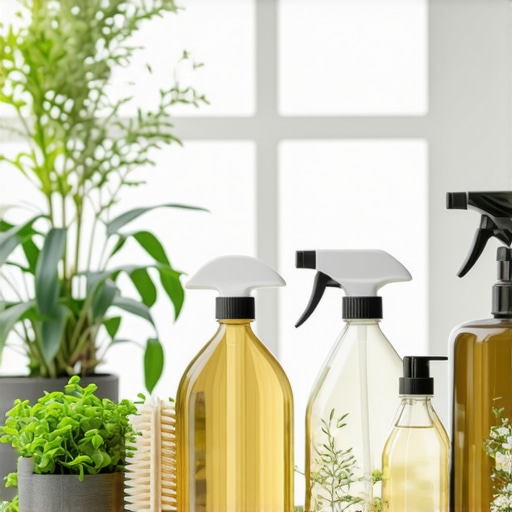
I remember the first time I tried to give my home a deep clean using all-natural, eco-friendly products. I was excited but quickly realized I was wasting time and energy, ending up with a space that still looked dusty and unclean. It was frustrating, and honestly, I was tempted to give up and go back to harsh chemicals. But after some trial, error, and a bit of research, I discovered that effective, eco-friendly cleaning isn’t just a pipe dream—it’s entirely doable, even when you’re in a rush.
Why Eco-Friendly Cleaning Matters More Than Ever
We’re living in a time when health and sustainability are at the forefront of our minds. Traditional cleaning products can contain harmful chemicals that linger in our homes and the environment. According to the Environmental Working Group, many conventional cleaners have ingredients linked to health issues, including respiratory problems and allergies. Switching to eco-friendly methods not only protects your family but also contributes to a healthier planet. The good news is, with the right techniques, you can achieve rapid, trustworthy results that are safe for everyone.
Have you ever felt overwhelmed by the idea of cleaning green? Or worried it might take too long to be effective?
Trust me, I’ve been there. Early on, I made the mistake of thinking that all-natural meant less effective or more time-consuming. I once spent hours scrubbing with homemade solutions only to feel disappointed with the outcome. That’s why I want to share some proven tips that changed my approach and can do the same for you. The secret is in strategic, eco-friendly cleaning hacks that deliver quick results without sacrificing safety or quality.
If you’re tired of battling stubborn grime with chemicals, or if you just want a safer, greener home, you’re in the right place. Over the next sections, I’ll walk you through simple yet powerful methods to make your cleaning routine faster, greener, and more trustworthy. Ready to transform your home and your habits? Let’s dive into the best eco-friendly cleaning tips that really work.
Choose the Right Eco-Friendly Products
Start by selecting cleaning solutions made from natural ingredients. Brands that prioritize plant-based formulas without synthetic chemicals are your best bet. When I first switched, I found that using vinegar, baking soda, and lemon could handle most messes effectively. Always read labels to ensure products are certified eco-friendly, which minimizes harm to your family and the environment.
Prepare Your Space Efficiently
Before cleaning, declutter surfaces to make the process faster. Gather all your eco-friendly supplies in one spot—this reduces time searching for items. I once spent 15 minutes hunting for my homemade cleaner, which slowed down my progress. By organizing your tools and ingredients beforehand, you streamline your workflow significantly.
Use Smart Cleaning Techniques
Target Stubborn Dirt with Baking Soda and Vinegar
For tough stains, sprinkle baking soda on the surface, then spray with a vinegar solution. Let it fizz for a few minutes before scrubbing gently. This combo breaks down grime naturally and quickly. I applied this method to my kitchen sink, and in just minutes, it looked brand new—no harsh scrubbing needed.
Employ Microfiber Cloths for Rapid Results
Microfiber cloths trap dust and dirt efficiently, reducing the need for multiple wipes. I keep a few handy in every room, which saves me time and ensures thorough cleaning. These cloths are reusable and eco-friendly, making them a smart investment.
Focus on High-Traffic Areas
Prioritize cleaning zones that get the most use—kitchen counters, bathroom surfaces, and entryways. Spending extra time here yields noticeable improvements quickly. Once, I dedicated 10 minutes to my bathroom, using a vinegar spray and microfiber cloth, and the difference was immediate. This targeted approach keeps your home looking fresh without exhaustive effort.
Incorporate Quick Sanitizing Routines
For rapid sanitation, use eco-friendly disinfectants like hydrogen peroxide or tea tree oil diluted in water. Spray on frequently touched surfaces. I found that a quick spritz on door handles and light switches helps maintain hygiene without lengthy procedures. This method combines speed with safety, aligning with green principles.
Maintain Consistency for Long-Term Speed
Establish a regular cleaning schedule—daily quick wipes and weekly deep cleans—so messes don’t pile up. This habit prevents the need for lengthy cleaning marathons. I set a 10-minute nightly routine that keeps my home consistently tidy and eco-friendly.
For more comprehensive guidance, explore green house cleaning tips and eco-friendly hacks designed for rapid, effective results. Adopting these strategies makes eco-friendly house cleaning faster, safer, and more trustworthy every time.
Many people believe that eco-friendly cleaning is a compromise, sacrificing effectiveness for safety. However, this is a misconception rooted in outdated information. The truth is, many natural cleaning methods and products can outperform traditional chemicals when used correctly. For example, vinegar and baking soda are often dismissed as mere household staples, but they are powerful cleaning agents capable of tackling tough grime and stains. In reality, the key is in understanding the nuances of green cleaning and avoiding common pitfalls that undermine trust in eco-friendly solutions.
Why Most People Get It Wrong
One widespread myth is that eco-friendly cleaners are less potent, leading many to overuse them or combine multiple products in an attempt to boost cleaning power. This often results in unnecessary waste and even counterproductive chemical reactions—such as mixing vinegar and bleach, which can produce toxic fumes. In my experience, moderation, proper application, and understanding each product’s role are crucial for success. For instance, using baking soda as a mild abrasive in combination with vinegar’s degreasing properties can yield impressive results without risking health or safety.
How Can My Assumptions Be Misleading in Green Cleaning?
Many assume that all-natural means all-safe, but some natural ingredients can cause allergies or irritations in sensitive individuals. For example, essential oils like tea tree or citrus may trigger reactions. The nuance here is to test small areas first and choose ingredients carefully. Additionally, some believe that eco-friendly products are inherently more expensive. While some brands do charge a premium, many homemade solutions cost virtually nothing and can be just as effective, especially when used with the right techniques.
Another common trap is thinking that green cleaning takes more time. In reality, when you master strategic approaches—like targeting high-traffic areas with quick routines or using microfiber cloths—you can achieve rapid, trustworthy results. This is why I recommend prioritizing smart, targeted cleaning routines over exhaustive scrubbing sessions. For deeper insights into these strategies, explore eco-friendly hacks for rapid results.
Most importantly, avoid the mistake of neglecting regular maintenance. Consistency prevents the buildup of dirt and grime, making each cleaning session more efficient and eco-conscious. Remember, eco-friendly cleaning isn’t about just one product or method; it’s a holistic approach that combines knowledge, strategy, and moderation. Have you ever fallen into this trap? Let me know in the comments!
Keeping your eco-friendly cleaning routine effective over time requires the right tools and a bit of maintenance. One of my favorite investments is a high-quality microfiber cloth. Unlike traditional cotton rags, microfiber traps dust, dirt, and bacteria more efficiently, reducing the need for chemical cleaners and repeated wiping. I personally use the Microfiber Magic Cloth because it’s durable, reusable, and machine washable, making it a sustainable choice that pays off in the long run.
Another tool I swear by is a steam cleaner. While it might seem like a splurge, a good steam cleaner like the Bissell SteamShot allows me to sanitize surfaces with just water and heat. It’s perfect for kitchen counters, bathroom tiles, and even upholstery, providing a chemical-free way to maintain cleanliness. Plus, steam cleaning is incredibly fast and leaves no residue, aligning perfectly with eco principles.
For managing larger areas, I recommend a cordless, lightweight vacuum cleaner such as the Dyson V8 Absolute. It’s powerful enough to pick up dust and allergens from carpets and hard floors without the hassle of cords or bulky equipment. Regular vacuuming prevents dirt buildup, which keeps your home looking fresh and reduces the need for harsh cleaning products.
In terms of maintenance, I recommend creating a cleaning schedule that aligns with your lifestyle. For instance, a quick daily wipe-down with a microfiber cloth can prevent grime from settling in, making weekly deep cleans more manageable. Remember to replace or wash your microfiber cloths regularly—dirty cloths can redeposit dirt and reduce effectiveness. Additionally, check your steam cleaner filters and seals periodically to keep them functioning at peak performance.
Looking ahead, I believe the trend in eco-friendly cleaning tools will continue to evolve with smarter, more sustainable options. Solar-powered gadgets, biodegradable disposable pads, and multi-use devices are on the horizon, promising even greater efficiency with less environmental impact. Staying updated with these innovations can help you keep your cleaning routine both effective and eco-conscious.
How do I maintain my cleaning tools over time?
Proper maintenance begins with regular cleaning of your microfiber cloths—soaking them in vinegar and water helps remove residues and extends their lifespan. For steam cleaners, descaling with vinegar or commercial descaling solutions prevents mineral buildup, ensuring consistent performance. Storing tools in a dry, protected space also prolongs their usability. Investing a little time in routine maintenance ensures your tools stay trustworthy, making your eco-friendly cleaning routine more reliable and sustainable.
By choosing durable, effective tools and keeping them well-maintained, you ensure your green cleaning efforts remain trustworthy and efficient. Don’t forget to explore eco-friendly hacks to get the most out of your tools and routine. Try incorporating a microfiber cloth into your daily routine this week and notice how much quicker and cleaner your spaces become without relying on chemicals. Your home—and the planet—will thank you for it!
The Hardest Lesson I Learned About Green Cleaning
One of the toughest lessons I faced was realizing that not all natural ingredients are universally safe. Essential oils, while great for scent and some cleaning tasks, can cause allergies or irritations. Testing small areas first became a game-changer for me, preventing potential allergic reactions and ensuring safety for everyone in my home.
Three Myths About Eco-Friendly Cleaning That Held Me Back
I used to believe that green cleaning was too expensive and less effective than traditional chemicals. It was only after exploring homemade solutions like vinegar and baking soda that I saw how affordable and powerful simple ingredients can be. Understanding that effectiveness isn’t about harsh chemicals was a major breakthrough.
What Experts Won’t Tell You About Rapid, Safe House Cleaning
Many professionals emphasize the importance of regular maintenance to keep cleaning quick and eco-friendly. Establishing a consistent routine—daily quick wipes and weekly deep cleans—prevents dirt buildup and makes each session faster and safer. This proactive approach is a secret weapon for a healthier, greener home.
My Essential Toolkit for Green House Cleaning
Using quality microfiber cloths has transformed my cleaning routine. They trap dust and bacteria efficiently, reducing the need for chemical cleaners and repeated wiping. I trust the Microfiber Magic Cloth for its durability and eco-friendliness, making my cleaning faster and more sustainable.
Where to Go from Here
To elevate your green cleaning game, consider investing in tools like a steam cleaner, such as the Bissell SteamShot. It sanitizes surfaces with just water and heat, offering a chemical-free, fast solution. Regular vacuuming with a lightweight cordless device like the Dyson V8 Absolute also helps maintain cleanliness without harsh products. Stay updated on innovations like biodegradable pads and solar-powered gadgets to keep your routine effective and eco-conscious.
Keep Moving Forward—Your Home and Planet Will Thank You
Embracing eco-friendly cleaning is not just a trend but a commitment to health and sustainability. Every small step, from testing natural ingredients to maintaining your tools, builds a safer, cleaner home. Start today—your space and the environment deserve it.
What’s been your biggest challenge when switching to eco-friendly cleaning? Share your experience below and let’s learn together!
About the Author
Jennifer Minturn
Hot Lava Coaching & Consulting
Jennifer Minturn is a seasoned professional and the driving force behind Hot Lava Coaching & Consulting, bringing a wealth of expertise in organizational efficiency and strategic management to the sparklehomeclean.com team. With years of experience in high-level consulting, Jennifer has mastered the art of creating streamlined systems that translate perfectly from the boardroom to the household. Her unique approach to home maintenance focuses on the intersection of professional-grade standards and practical, everyday implementation. Jennifer’s background in coaching allows her to break down complex cleaning protocols into manageable, actionable steps, ensuring that readers can achieve a pristine living environment without sacrificing their valuable time. At sparklehomeclean.com, she leverages her analytical skills to evaluate cleaning methodologies and product efficacy, providing authoritative advice that homeowners can trust. Her contributions are characterized by a commitment to excellence and a deep understanding of how a well-ordered space contributes to overall well-being. Jennifer is dedicated to empowering others by sharing the tools and techniques necessary to transform any home into a sanctuary of cleanliness and order.
LinkedIn Profile
Reading this post really resonated with my own experience of transitioning to eco-friendly cleaning. At first, I was skeptical about how effective natural solutions like vinegar and baking soda could truly cut through stubborn grime, but I’ve found that with the right techniques, they outperform many commercial products in both speed and safety. I especially agree with focusing on high-traffic areas; it makes such a difference to prioritize what gets used the most. One challenge I still face is maintaining tools like microfiber cloths and steam cleaners; regular cleaning and descaling seem to extend their lifespan and keep them performing well. Has anyone found particular routines or products that help prolong the lifespan of these tools without too much hassle? Also, I’m curious — how do others balance eco-conscious cleaning with the need for quick results in busy households? Would love to hear your tips and experiences! Overall, this approach makes me feel good about keeping my home clean without compromising health or the environment.
I really appreciate how this post emphasizes the importance of strategic and efficient eco-friendly cleaning, especially for busy households like mine. I used to think that going green meant sacrificing effectiveness or spending more time, but I’ve since found that focusing on high-traffic areas with quick routines makes a huge difference. One tip that has helped me is keeping microfiber cloths and cleaning solutions organized in a portable caddy. This way, I can swiftly move from room to room without wasting time hunting for supplies.
I also recently started using a steam cleaner for my kitchen and bathroom, which has been a game-changer—it’s fast, chemical-free, and leaves everything spotless. Do others here have favorite tools or habits that keep their eco routine smooth and effective? I’m always looking for ways to improve my routine without adding stress. Overall, I believe that with the right approach, eco-friendly cleaning can be both quick and reliable, helping protect our health and environment at the same time.
I can definitely relate to the initial frustration of trying to swap harsh chemicals for natural cleaning products. It feels like it takes way more time and effort at first, but what really helped me was developing a routine that focuses on high-touch areas daily—like door handles, light switches, and kitchen counters. Incorporating tools like microfiber cloths and steam cleaners has also made a huge difference; I find that regular maintenance keeps grime from building up and makes deep cleans much quicker. What’s interesting is how much my mindset shifted once I realized eco-friendly cleaning doesn’t have to mean compromise. Has anyone here experimented with DIY solutions for disinfecting, like using hydrogen peroxide or essential oils? I’d love to hear what’s worked best in your busy households and how you keep your routine efficient without sacrificing eco principles. Overall, I think with a little planning, green cleaning can be just as rapid and effective as chemical-based methods, especially once you find your rhythm.
I really enjoyed reading this insightful post! It’s refreshing to see how practical and effective eco-friendly cleaning methods can be, especially for busy households. I totally agree that choosing the right products and organizing supplies beforehand really helps save time and makes the process less overwhelming. I’ve found that investing in a good microfiber cloth and a steam cleaner has definitely made a difference in my routine. They’re both powerful tools that align well with green principles and speed up cleaning tasks. What’s interesting is how small tweaks, like focusing on high-traffic areas and establishing a daily quick wipe routine, can prevent dirt buildup and keep the home consistently fresh. I’d love to hear if anyone has tips for maintaining these tools long-term without extra hassle. Also, do you think that incorporating natural disinfectants like tea tree oil really provides sufficient protection compared to synthetic options? It seems like balancing speed, safety, and eco-consciousness is quite achievable once you find the right strategies. Looking forward to trying some of these hacks myself!