
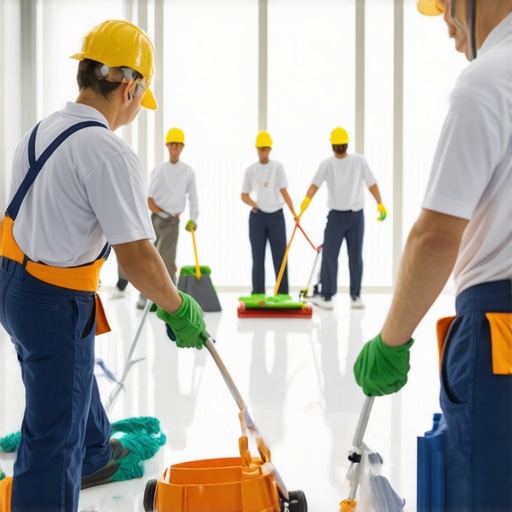
I remember the first time I tackled a post-construction cleanup after a major renovation. Dust and debris seemed to multiply overnight, and I was overwhelmed. I spent hours scrubbing and sweeping, only to realize I was using harsh chemicals that left behind residues and toxins. It was a lightbulb moment for me: there had to be a way to clean faster, smarter, and more sustainably. If you’ve ever felt the frustration of a never-ending cleanup, you’re not alone. Today, I want to share some proven strategies that will help you achieve rapid, eco-friendly sanitation after construction projects, saving you time and protecting the environment at the same time.
Why Fast and Green Cleaning Matters After Construction
Construction sites generate a lot of waste—dust, paint splatters, leftover materials, and stubborn residues. Not only is this mess unsightly, but it can also pose health risks if not handled properly. Traditional cleaning methods often involve chemical-heavy products that can harm your family, pets, and the planet. That’s why adopting green cleaning practices isn’t just trendy; it’s essential. Fast, eco-friendly cleaning minimizes disruption, reduces exposure to toxins, and ensures your space is safe for everyone. Plus, with the right techniques, you can accelerate the process significantly, freeing you to enjoy your renovated space sooner.
Have you ever faced delays because cleaning dragged on longer than expected?
If so, you know how frustrating it can be when a project stalls just because the cleanup isn’t finished. I made the mistake early on of trying to do everything with conventional products and methods—only to realize I was wasting time and money. It’s a common mistake, but one that’s easily fixed with the right approach. To guarantee trustworthy results while being kind to our environment, I recommend exploring sustainable cleaning methods, which you can learn more about in this guide on sustainable cleaning. Now, let’s dive into the practical steps that will turn your post-construction mess into a sparkling, green sanctuary, quickly and efficiently.
Prioritize Safety with Proper Debris Removal
Start by removing large debris like leftover wood, drywall scraps, and packaging materials. Use sturdy gloves and eco-friendly trash bags to contain waste without harmful chemicals. Think of it as clearing the runway before a plane takes off—your space needs a clear path to ensure efficient cleaning later. I once spent a Saturday afternoon hauling out buckets of debris from a renovation site, and it made subsequent cleaning much faster and safer. For sustainable options, check out this guide on sustainable cleaning.
Many people believe that green cleaning methods are too slow, ineffective, or expensive, especially after the chaos of a construction project. Let’s dig deeper into some of these misconceptions and reveal the nuanced truths that can help you optimize your post-construction sanitation efforts.
Why Quick Green Cleaning Is More Than Just a Trend
One prevalent myth is that environmentally friendly cleaning products and techniques can’t deliver the quick, reliable results you need after a renovation. In reality, modern green solutions are designed to be efficient and potent. For example, using eco-friendly disinfectants that target bacteria and mold effectively can speed up sanitation without compromising safety or sustainability. Many professionals now leverage eco-friendly house cleaning hacks that are both fast and trustworthy, proving that green doesn’t mean slow.
What advanced cleaning mistakes do people often make?
One common mistake is relying solely on traditional chemical cleaners that are harsh, toxic, and slow to break down residues, leading to prolonged cleaning processes. Additionally, over-scrubbing or using excessive water can cause damage or delay drying, inviting mold or dust accumulation. Instead, adopting sustainable cleaning methods that utilize targeted, biodegradable agents can streamline your cleanup. These methods not only speed up results but also ensure safety for inhabitants and the environment. Beware of the trap where you think more chemicals lead to faster cleaning—less is often more when it comes to green sanitation.
How to avoid green cleaning pitfalls and optimize your process
One hidden nuance is the importance of proper debris removal before cleaning. Many underestimate how much large waste can impede the effectiveness of eco-friendly products. Clearing debris thoroughly creates a clean slate, allowing green solutions to work more efficiently. Also, pay attention to ventilation and drying—green products tend to evaporate faster when airflow is optimized. Skipping this step can leave surfaces damp longer, risking mold growth and extending cleanup time. To master rapid, eco-friendly post-construction sanitation, consider consulting trusted resources like trusted green cleaning tips.
Finally, don’t fall for the myth that professional cleaning isn’t necessary. While DIY methods are tempting, partnering with experienced eco-conscious cleaners can ensure you avoid common mistakes and achieve faster results. They have the expertise to select the right green products and techniques tailored to your project’s specifics, which can save you time and effort in the long run.
Have you ever fallen into this trap? Let me know in the comments. For more expert insights, explore our ultimate guide to eco-friendly house cleaning and take your post-construction cleanup to the next level.
Keeping your cleaning tools in top shape is crucial for maintaining the efficiency and longevity of your sanitation efforts after construction projects. I personally swear by high-quality microfiber mops and eco-friendly cleaning solutions, which not only cut down on cleaning time but also ensure that surfaces are thoroughly sanitized without harmful residues. Microfiber mops are especially effective because their fine fibers trap dust, dirt, and microbes more efficiently than traditional cotton mops, reducing the need for excessive chemical use and repeated cleaning cycles. To further enhance your cleaning process, investing in a HEPA-filter vacuum can make a significant difference in capturing airborne dust and allergens that are common after renovations. These tools are reliable and durable, making them a worthwhile long-term investment.
Another essential aspect of effective maintenance is the use of appropriate cleaning software and scheduling apps. I recommend using platforms like Trello or Asana to organize your cleaning schedules and track tasks, especially if you’re managing multiple projects or working with a team. These tools help prevent overlooked areas and ensure that every inch of your space receives attention promptly, keeping your environment safe and sanitized at all times. Additionally, digital checklists, such as those available through Eco-Conscious Post-Construction Sanitization Secrets, enable you to follow eco-friendly protocols systematically, minimizing waste and reducing environmental impact.
Looking ahead, I predict that the trend toward smart cleaning technologies will grow. Devices like automated scrubbers and IoT-enabled air quality monitors will become more accessible, allowing real-time tracking of cleanliness levels and environmental parameters. As these innovations become more affordable and integrated, maintaining a pristine space will become easier and more efficient, even for larger projects or commercial settings. Staying updated with the latest tech will ensure your sanitation process remains at the cutting edge.
How do I maintain cleaning tools over time?
Proper maintenance of your cleaning tools is essential for sustained effectiveness. Regularly wash microfiber cloths and mops in hot water with eco-friendly detergent to remove trapped dirt and bacteria. Replace filters on vacuums according to manufacturer instructions to ensure optimal air quality and dust removal. Store tools in a dry, clean environment to prevent mold and bacterial growth, which can compromise their performance. Periodic inspections of your equipment will help identify wear and tear early, saving you money and preventing contamination. For comprehensive maintenance routines tailored to eco-friendly tools, check out this guide on sustainable cleaning. Remember, well-maintained tools are the backbone of effective, green sanitation that lasts.
To make your cleaning routine even more sustainable, consider experimenting with biodegradable brushes and eco-friendly detergents recommended in this resource on sustainable cleaning methods. Incorporating these practices will not only improve your sanitation results but also contribute to a healthier planet. Take the initiative today by trying out a microfiber mop paired with a biodegradable cleaning solution, and experience the difference it can make in your post-construction cleaning process!
The Hardest Lesson I Learned About Green Post-Construction Cleaning
One of my biggest realizations was that rushing through debris removal without proper planning can sabotage even the best eco-friendly cleaning efforts. I once tried to save time by skipping the debris step, only to find that green products couldn’t penetrate the stubborn layer of dust and leftover materials. Now, I know that thorough debris removal is the foundation of a quick, sustainable cleanup.
Why I Trust These Tools for Eco-Friendly Cleanup
- Microfiber Mops: Their ability to trap dust and microbes reduces the need for excess chemicals, making cleaning faster and greener. I’ve used them for years, and they never disappoint.
- HEPA Vacuums: Capturing airborne dust is crucial after renovations. I trust my HEPA-filter vacuum to do the job efficiently, keeping indoor air quality safe and clean.
- Biodegradable Cleaning Agents: They break down quickly and don’t leave harmful residues. I rely on these for a safe, eco-conscious post-construction tidy-up.
- Scheduling Apps: Tools like Trello keep my tasks organized, ensuring I don’t overlook any area. Staying systematic is key to swift, eco-friendly sanitation.
Seize the Moment and Transform Your Space
Now that you know some insider secrets, it’s your turn to embrace rapid, green cleaning after construction. Your efforts not only restore beauty but also protect your loved ones and the planet. Don’t wait—start implementing these strategies today and experience the difference firsthand. Have you ever struggled with debris removal or choosing eco-friendly tools? Share your story below and let’s learn from each other!”,
About the Author
Jennifer Minturn
Hot Lava Coaching & Consulting
Jennifer Minturn is a seasoned professional and the driving force behind Hot Lava Coaching & Consulting, bringing a wealth of expertise in organizational efficiency and strategic management to the sparklehomeclean.com team. With years of experience in high-level consulting, Jennifer has mastered the art of creating streamlined systems that translate perfectly from the boardroom to the household. Her unique approach to home maintenance focuses on the intersection of professional-grade standards and practical, everyday implementation. Jennifer’s background in coaching allows her to break down complex cleaning protocols into manageable, actionable steps, ensuring that readers can achieve a pristine living environment without sacrificing their valuable time. At sparklehomeclean.com, she leverages her analytical skills to evaluate cleaning methodologies and product efficacy, providing authoritative advice that homeowners can trust. Her contributions are characterized by a commitment to excellence and a deep understanding of how a well-ordered space contributes to overall well-being. Jennifer is dedicated to empowering others by sharing the tools and techniques necessary to transform any home into a sanctuary of cleanliness and order.
LinkedIn Profile
Reading through these practical post-construction cleaning tips really resonated with me. I had a similar experience when I started using microfiber mops and HEPA vacuums after renovation projects. Not only did my cleaning speed improve, but I also noticed a significant reduction in airborne dust, which made the environment healthier for my family. I appreciate the emphasis on debris removal as a foundation; rushing into detailed cleaning without clearing the large waste just prolongs the process. Have you found any specific eco-friendly products particularly effective for stubborn residues like paint splatters or dried mud? It would be great to hear some brand recommendations or tips for tackling these tougher spots with sustainable solutions. Additionally, I’ve been exploring scheduling apps to manage my cleaning routines better—any favorites among readers? Overall, embracing green methods really transforms the cleanup experience, making it more efficient and less stressful.