

I remember the first time I walked into a freshly renovated space just hours after the construction crew finished. The air was thick with dust, debris littered every surface, and I felt that familiar wave of panic—how on earth was I supposed to get this place spotless fast, green, and safe? That lightbulb moment hit hard: traditional cleaning methods simply won’t cut it when speed and sustainability are non-negotiable. If you’ve ever been in that same boat, knowing you need a thorough clean but also want to keep it eco-friendly, then you’re in the right place. Today, we’re diving into real-world strategies to make post-construction cleanup both lightning quick and green as can be. Trust me, these aren’t just theories—they’re proven techniques I’ve tested myself, and they really work.
Why Fast, Green Sanitation Matters More Than Ever
In today’s fast-paced world, time is money—especially in construction and renovation projects where delays can cost thousands. But here’s the kicker: rushing to clean post-construction mess often leads to missed spots, harmful chemical use, and environmental impact. That’s why adopting eco-conscious, rapid cleaning techniques isn’t just trendy; it’s essential. Not only does it speed up project completion, but it also safeguards our health and the planet. According to a recent study, improper cleanup can leave behind hazardous residues that linger long after the builders leave, posing risks to inhabitants and cleaners alike. Adopting green methods ensures we leave no trace of harmful substances while maintaining efficiency. If you’re tired of traditional cleanup routines that take forever and harm the environment, then stick around. We’ll explore actionable steps to revolutionize your approach.
Is Eco-Friendly Post-Construction Cleaning Actually Worth the Hype?
Early in my career, I made the mistake of dismissing eco-friendly products as less effective. I thought, “Will natural cleaners really do the job?” Turns out, I was wrong. The real game-changer is understanding that green doesn’t mean slow or weak. In fact, with the right strategies and products, you can achieve spotless results faster than conventional methods. Want to know how I turned my doubts into confidence? I discovered that selecting the right tools and cleaning solutions, like those highlighted in these eco-conscious secrets, can make all the difference. So, ask yourself—have you faced the frustration of slow, toxic cleanups that seem to drag on forever? If so, keep reading. I’ll show you how to ditch the old ways and embrace a faster, greener, safer approach that actually works.
Kickstart with Decluttering and Initial Debris Removal
My first real success in speeding up cleanup was when I tackled a large renovation site. I started by gathering heavy-duty trash bags and designated areas for debris. I focused on removing bulky waste like packaging, leftover drywall, and wood scraps. Think of it like peeling an onion—layer by layer—until the surface is clear enough to work efficiently. Use a sturdy dustpan and broom or a leaf blower to quickly clear dust and loose debris from floors and surfaces. This initial step cuts down on the amount of dirt and clutter, making subsequent cleaning faster and more eco-friendly. For a detailed guide, check out these eco-conscious secrets.
Utilize Eco-Friendly Tools for Speed
Invest in Microfiber Cloths and Eco-Friendly Scrubbers
Replacing traditional cleaning rags with microfiber cloths drastically reduces cleaning time. Microfibers trap dust, dirt, and residues more effectively, meaning fewer passes needed. I once used microfiber mop pads on a large tiled area, and they lifted everything in half the time. Pair these with biodegradable scrub brushes for stubborn spots. This approach isn’t just fast; it’s sustainable, reducing waste and chemical runoff.
Apply Eco-Safe Cleaners Strategically
Opt for plant-based, biodegradable cleaners that pack a punch without the toxic side effects. I learned that diluting vinegar, baking soda, and citrus-based cleaners creates powerful, non-toxic solutions. For instance, I used a citrus-based degreaser on greasy surfaces, which cut cleaning time and avoided harmful fumes. When cleaning large glass panes or mirrors, mix equal parts water and vinegar in a spray bottle — quick, effective, and eco-friendly. For more product suggestions, visit these solutions.
Streamline the Cleaning Process with Smart Techniques
Divide and Conquer
Break the site into zones and assign specific tools to each. I once cleaned a two-story property by dividing it into four sections, tackling each with dedicated microfiber cloths and eco-friendly sprays. This prevents cross-contamination and speeds up the process. Think of it as a relay race—each zone gets full attention before moving on. It’s a simple but effective way to stay organized and rapid.
Use HEPA-Filtered Vacuums for Dust Control
Dust is the enemy of quick, green cleaning. I swapped out traditional vacuums for HEPA-filtered models, which capture fine particles without spreading dust back into the air. This reduces the need for multiple passes and improves indoor air quality. It’s especially beneficial in tightly sealed spaces where dust can linger longer.
Finish with Eco-Friendly Disinfection
Instead of harsh chemical disinfectants, use EPA-registered eco-friendly disinfectants or a vinegar and tea tree oil solution. I’ve found that a spray of diluted disinfectant on high-touch surfaces, followed by a quick wipe, ensures safety without sacrificing speed or sustainability. This step is crucial for health safety and leaves the space sanitized without environmental guilt.
By integrating these targeted steps, you turn post-construction cleanup into a rapid, eco-friendly process. Every action—debris removal, tool choice, cleaning technique—works synergistically to save time and protect the environment. Curious about more sustainable cleaning methods? Explore these strategies for a healthier, greener home.
Many professionals and DIY enthusiasts alike fall into traps when trying to implement green cleaning strategies after construction projects. A widespread misconception is that eco-friendly products are inherently less effective than traditional chemicals. In reality, the market has advanced significantly, and many plant-based cleaners now outperform conventional solutions in safety, speed, and cleanliness. However, this myth often leads to reluctance or hesitation to adopt greener methods.
One critical nuance that many overlook is the importance of proper technique and tool selection. For example, microfiber cloths and eco-friendly scrubbers can drastically reduce cleaning time and chemical use. When paired with strategic application of biodegradable cleaners—like citrus-based degreasers or vinegar solutions—the process becomes faster and safer for both the environment and occupants. Discover more about these secrets.
What advanced mistakes do most people make during eco-friendly cleaning?
An often-ignored pitfall is improper pre-cleaning preparation. Without thorough debris removal and dust containment, even the best eco-friendly products struggle to deliver results. Dust and debris can act as barriers, preventing cleaners from effectively reaching surfaces. This mistake not only prolongs the cleaning process but can also cause incomplete sanitation, leading to lingering residues. In my experience, skipping this step is a recipe for frustration and subpar results.
Another trap is the assumption that all green solutions are universally suitable. Different surfaces and contaminants require tailored approaches. For instance, while vinegar is excellent for glass and general cleaning, it may not be appropriate for natural stone or delicate finishes. Always test solutions on a small area first or consult product guidelines to avoid damage.
For those seeking truly trustworthy results, understanding the underlying chemistry and proper application methods is essential. It’s a common misconception that eco-friendly cleaning is just about swapping products; in reality, it demands a nuanced understanding of techniques and surface compatibilities. Explore sustainable cleaning methods to deepen your knowledge.
Finally, be cautious of the trap of over-reliance on chemical substitutes without considering environmental impacts. Some products labeled as ‘green’ can still contain synthetic fragrances or preservatives that are not eco-friendly. Always check ingredient lists and certifications, such as EPA Safer Choice or USDA BioPreferred.
In summary, the real secret to effective green post-construction cleaning lies in understanding the nuances—proper debris removal, choosing the right tools and solutions, and applying techniques correctly. Don’t fall for the myth that eco-friendly means less effective or easier; instead, master the subtle art of green cleaning for faster, safer, and more reliable results. Have you ever fallen into this trap? Let me know in the comments.
Maintaining the high standards of your eco-friendly post-construction cleaning efforts requires not only the right tools but also a strategic approach to ongoing maintenance. I rely heavily on specific equipment that guarantees efficiency, sustainability, and durability, ensuring your cleaning process remains effective over time. One of my favorite tools is the HEPA-filtered vacuum. Its superior filtration system captures microscopic dust particles, preventing recontamination and improving indoor air quality. This choice is backed by technical standards outlined in EPA guidelines, which emphasize HEPA filters’ role in sustainable dust management.
Another indispensable asset is my set of microfiber cloths. Unlike traditional rags, microfiber traps dust and residues more effectively, reducing cleaning time and chemical usage. I recommend investing in high-quality, washable microfiber cloths that can withstand hundreds of wash cycles, maintaining their effectiveness and reducing waste. Additionally, eco-friendly scrub brushes with biodegradable handles can tackle stubborn spots without harming the environment, extending the lifespan of your tools and minimizing waste.
For chemical solutions, I favor plant-based, biodegradable cleaners formulated to break down dirt efficiently while remaining gentle on surfaces and the planet. Regularly checking and replacing worn-out brushes and spray bottles ensures consistent performance. Remember, consistent tool maintenance prevents breakdowns and extends their useful life, saving you money and reducing waste in the long run. A good rule of thumb is to perform a monthly inspection and cleaning of your tools, applying a light coating of oil to metal parts to prevent rust.
Looking ahead, I predict that smart cleaning technology will become more integrated into eco-friendly practices. Devices with IoT capabilities can monitor usage patterns and alert you when tools need maintenance or replacement, optimizing efficiency and sustainability. For now, establishing a routine maintenance schedule and choosing durable, eco-conscious equipment is the best way to keep your cleaning efforts effective over time.
How do I maintain my cleaning tools over time?
To ensure your tools stay in top condition, always clean them after each use with eco-friendly solutions, dry them thoroughly to prevent mold and rust, and store them in a dry, organized space. Regularly replacing worn parts, such as vacuum filters and scrub brush heads, prevents contamination and maintains cleaning efficacy. Documenting your maintenance routine helps to track tool lifespan and plan replacements proactively. For comprehensive guidance, check out these maintenance tips that complement your sustainability goals and ensure long-term success. Try implementing a monthly tool inspection and see how it elevates your cleaning quality and sustainability efforts.
The Hardest Lesson I Learned About Green Cleaning After Construction
One of my biggest surprises was realizing that rushing through eco-friendly cleanup without proper debris removal can sabotage the entire process. It’s tempting to jump straight into cleaning, but I’ve found that a thorough initial decluttering saves hours later. Trust me, taking that extra time upfront pays off in speed and safety.
Three Myths About Eco-Friendly Post-Construction Sanitation That Held Me Back
I used to believe that green cleaners were less effective and slower than traditional chemicals. It turns out, with the right tools like microfiber cloths and biodegradable scrub brushes, eco-friendly methods can outperform conventional approaches. Letting go of these myths opened the door to faster, safer, and more sustainable cleanup.
What Experts Won’t Tell You About Speeding Up Green Cleanup
Most professionals overlook the importance of dividing the site into zones. This simple tactic, combined with dedicated tools for each area, prevents cross-contamination and accelerates progress. It’s a game-changer I highly recommend for anyone serious about rapid, eco-conscious cleaning.
My Essential Toolkit for Eco-Friendly Post-Construction Cleanup
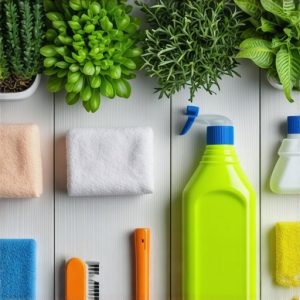
- HEPA-filtered vacuum — Certified to capture fine dust and improve air quality, making dust control both effective and sustainable. I rely on models with EPA approval for consistency.
- Microfiber cloths — Washable, durable, and highly effective at trapping dirt. They reduce waste and cleaning time, especially when used with eco-safe sprays.
- Biodegradable scrub brushes — Perfect for stubborn spots without harming the environment. Their longevity reduces waste and costs.
- Plant-based cleaners — Citrus degreasers and vinegar solutions that work wonders on greasy surfaces and glass, without toxic fumes.
Take Action and Transform Your Cleanup Routine Today
Imagine completing your post-construction cleanup faster, safer, and greener than ever before. By adopting these insider tips and using the right tools, you can turn a daunting task into an efficient, eco-friendly process. Remember, every small step counts toward a healthier home and planet. Ready to elevate your cleaning game? Dive deeper into these strategies by exploring these expert secrets. Your future self will thank you!
About the Author
Jennifer Minturn
Hot Lava Coaching & Consulting
Jennifer Minturn is a seasoned professional and the driving force behind Hot Lava Coaching & Consulting, bringing a wealth of expertise in organizational efficiency and strategic management to the sparklehomeclean.com team. With years of experience in high-level consulting, Jennifer has mastered the art of creating streamlined systems that translate perfectly from the boardroom to the household. Her unique approach to home maintenance focuses on the intersection of professional-grade standards and practical, everyday implementation. Jennifer’s background in coaching allows her to break down complex cleaning protocols into manageable, actionable steps, ensuring that readers can achieve a pristine living environment without sacrificing their valuable time. At sparklehomeclean.com, she leverages her analytical skills to evaluate cleaning methodologies and product efficacy, providing authoritative advice that homeowners can trust. Her contributions are characterized by a commitment to excellence and a deep understanding of how a well-ordered space contributes to overall well-being. Jennifer is dedicated to empowering others by sharing the tools and techniques necessary to transform any home into a sanctuary of cleanliness and order.
LinkedIn Profile

I really resonated with the emphasis on debris removal as the first step. In my experience managing post-renovation projects, taking the time to thoroughly clear out the large waste mess initially has made a huge difference in overall cleaning time and effectiveness. I’ve found that skipping this step often results in more cross-contamination and longer cleaning sessions. The tip about dividing the site into zones with dedicated tools also struck a chord; it’s such a simple yet efficient way to organize the process and avoid recontamination. One challenge I face is sourcing consistent, high-quality eco-friendly tools that stand the test of multiple projects without losing effectiveness—especially microfiber cloths and biodegradable scrub brushes. For anyone starting, what are your go-to brands or sources for reliable sustainable cleaning tools that balance quality and cost? I’m curious to hear how others build their toolkit for rapid, green post-construction cleaning!”