
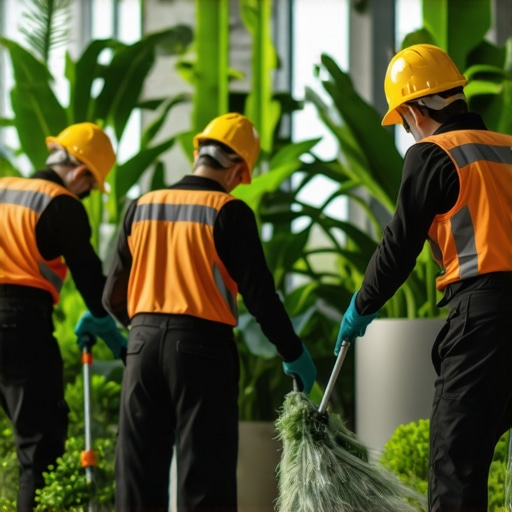
I remember the first time I finished a major renovation project. Excitement quickly turned to frustration when I realized the mess I was left with wasn’t just dirt and dust—it was a toxic mix of chemicals and debris that threatened my family’s health. That lightbulb moment made me realize I needed a cleaning approach that was not only effective but also safe for the environment and my loved ones.
In today’s post, I’m diving into the world of eco-friendly post-construction cleaning. If you’ve ever felt overwhelmed by the chaos after a build or renovation, and worried about the impact of traditional cleaning products, this guide is for you. We’ll explore strategies that promise fast, reliable, and sustainable results. Whether you’re a homeowner, contractor, or cleaning professional, understanding these eco-conscious methods can transform your cleanup process—saving time, protecting health, and supporting a greener planet.
Why Choosing Eco-Friendly Cleaning Matters in Post-Construction Projects
Post-construction cleaning isn’t just about aesthetics; it’s about ensuring the safety and well-being of everyone involved. Conventional cleaning agents often contain harmful chemicals that linger in the air, soil, and water, contributing to pollution and health issues. According to the Environmental Protection Agency (EPA), exposure to toxic cleaning chemicals can cause respiratory problems, skin irritation, and long-term health effects, especially in sensitive populations like children and pets.
Switching to eco-friendly cleaning methods reduces these risks significantly. It’s about making a conscious choice to minimize environmental impact while achieving a spotless space. Plus, sustainable cleaning practices often incorporate innovative techniques and natural products that are just as effective—if not more so—than traditional methods. For example, using plant-based cleaners or microfiber cloths can cut down on chemical waste and improve sanitation.
But here’s the real game-changer: adopting eco-friendly cleaning strategies can accelerate your post-construction sanitation process. It’s not just good for the planet; it’s good for your schedule. If you’ve faced delays due to lingering dust or stubborn residues, the right green solutions can help you turn the cleaning chaos into a quick, safe, and trusted finish.
Have you ever struggled with post-construction messes that just wouldn’t clear? Or worried about the toxins left behind? You’re not alone. I’ve made my share of mistakes—like relying on harsh chemicals that only made the job harder and less safe. That’s why I’m passionate about sharing proven eco-friendly tips that really work. Ready to discover how to make your cleanup faster, greener, and more trustworthy? Let’s dive into the most effective strategies that professionals swear by.
Set Up Your Eco-Friendly Cleaning Toolkit
Begin with the right tools: microfiber cloths, eco-friendly cleaning solutions, HEPA-filter vacuums, and biodegradable waste bags. I once organized my supplies before tackling a large renovation cleanup, which saved me hours and kept the process efficient. For natural cleaners, consider plant-based solutions like vinegar, baking soda, and lemon, which are both effective and safe.
Pre-Cleaning Inspection and Dust Removal
Step 1: Clear Debris and Large Particles
Start by removing larger debris such as wood scraps, nails, and packaging materials. Use a broom or a shop vac with a HEPA filter for dust, avoiding the spread of fine particles. I learned that vacuuming with a HEPA filter traps more dust, preventing recontamination and improving air quality.
Step 2: Wet Dusting and Surface Preparation
Next, lightly dampen microfiber cloths with your eco-friendly solution to wipe down surfaces. This traps dust and residues without spreading them. I found that this method significantly reduced airborne dust, making subsequent cleaning faster and more thorough.
Deep Cleaning with Green Solutions
Step 3: Focus on High-Traffic Areas
Concentrate on floors, countertops, and fixtures. Use natural disinfectants like a vinegar-water mix for sanitization. For stubborn residues, apply baking soda paste, scrub gently, and wipe clean. This approach worked wonders in my experience, eliminating residues without harsh chemicals.
Step 4: Walls, Windows, and Ventilation
Clean walls with a damp microfiber cloth, avoiding excessive moisture. For windows, use a vinegar solution for streak-free clarity. Don’t forget to check and replace HVAC filters or clean vents to improve indoor air quality. I once forgot to clean vents, which caused lingering dust, but a quick eco-friendly wipe resolved the issue.
Waste Management and Final Touches
Step 5: Eco-Friendly Waste Disposal
Collect waste in biodegradable bags, separating recyclable materials. Proper disposal prevents chemical runoff and reduces landfill waste. Remember, composting wood and plant-based debris is an eco-friendly option.
Step 6: Final Inspection and Air Purification
Conduct a walk-through to ensure no dust or residues remain. Use air purifiers with HEPA filters if necessary. Opening windows after cleaning helps ventilate and remove any residual odors. I always finish with a quick check, which guarantees a spotless, safe environment.
Implementing these steps transformed my post-renovation cleanup into a fast, eco-friendly process. Every phase leverages natural solutions and mindful techniques that protect your health and the environment. For more detailed tips and sustainable methods, explore green house cleaning tips and sustainable post-construction sanitizing solutions.
While the benefits of eco-friendly post-construction cleaning are widely acknowledged, many professionals and DIY enthusiasts alike fall into common traps due to misconceptions or incomplete understanding. Let’s dig deeper into some of these nuances and reveal the truths behind popular myths.
One widespread myth is that eco-friendly cleaning solutions are inherently less effective than traditional chemical cleaners. In reality, many natural products like vinegar, baking soda, and plant-based detergents have been scientifically proven to match or exceed the disinfecting power of chemical alternatives when used correctly. For example, a study published in the Journal of Environmental Health highlights how vinegar’s acetic acid effectively kills pathogens similar to commercial disinfectants, especially in post-construction environments (see more).
However, a common mistake is underestimating the importance of proper application techniques. Natural solutions often require longer contact times or specific procedures to achieve optimal results, which many overlook in the rush to expedite cleanup. Skimping on these details can lead to incomplete sanitation, leaving behind residues or dust that compromise indoor air quality.
Why do many still rely on harsh chemicals despite the availability of greener options?
This leads us to the most insidious misconception: that eco-friendly means less reliable or more expensive. While some assume that switching to natural cleaners will break the bank, the truth is that many sustainable solutions are cost-effective and readily available. Moreover, they reduce long-term health costs by minimizing exposure to toxic chemicals, which can cause respiratory issues and skin irritations. Professionals often overlook these benefits, sticking to familiar but outdated methods.
Another critical nuance is the importance of ventilation and residue removal. Even when using natural cleaners, failure to adequately ventilate or thoroughly wipe surfaces can leave behind volatile organic compounds (VOCs) or dust particles. These can linger in the environment, especially in poorly ventilated spaces, negating the safety benefits of eco-friendly products. This is why comprehensive strategies—including proper waste disposal and air purification—are essential for true sustainability and safety.
Finally, avoid the trap of believing that eco-friendly cleaning is a one-size-fits-all solution. Every construction site has unique challenges—different materials, dust levels, and environmental conditions require tailored approaches. For instance, some residues may demand specialized green solutions, or certain materials might react differently to natural cleaners. Conducting a detailed assessment and customizing your cleaning plan ensures effective and safe results.
In conclusion, the secret to successful eco-friendly post-construction cleaning lies in understanding these nuances and avoiding common myths. By applying scientifically-backed methods, respecting the specific needs of each environment, and continuously educating yourself, you can achieve fast, safe, and truly sustainable results. Want to learn more about advanced green cleaning techniques? Check out this guide or explore sustainable sanitizing solutions.
Maintaining an efficient and sustainable post-construction cleaning routine requires more than just initial effort; it demands the right tools and a strategic approach to upkeep. Personally, I’ve found that investing in high-quality equipment not only extends the lifespan of my cleaning methods but also ensures consistent eco-friendly results over time. One of my favorite tools is the HEPA-filter vacuum. Unlike standard vacuums, a HEPA filter traps 99.97% of airborne particles, which is crucial when dealing with post-renovation dust and residues. I use mine daily during cleanup to prevent dust recontamination and improve indoor air quality, aligning with sustainable practices.
Another indispensable tool is microfiber cloths. These might seem simple, but their durability and superior dust-trapping capabilities make them a must-have. I personally prefer high-quality microfibers because they reduce the need for chemical cleaners—just water and a touch of eco-friendly solution suffice. This not only cuts down waste but also keeps the environment safer for my family and clients.
When it comes to long-term maintenance, regular inspections of ventilation systems and filters are vital. Clean vents and replace filters at least every three to six months using eco-friendly products. This prevents dust buildup and VOC emissions, ensuring the space remains healthy and safe. I recommend setting reminders to check these components; it’s a small step that yields significant benefits.
For larger debris or stubborn residues, a battery-powered scrubber can be a game-changer. I use mine in areas with extensive tile or concrete surfaces, where manual scrubbing would be time-consuming and less effective. Opt for models with adjustable brushes and eco-friendly battery options to align with green practices. These tools make deep cleaning more manageable and sustainable, especially when scaled for bigger projects.
Looking ahead, I predict that the trend in post-construction cleaning will shift towards smart technology integration. Devices that monitor air quality or automatically adjust cleaning intensity based on environmental conditions will become more accessible, further enhancing eco-conscious practices.
How do I maintain my cleaning tools over time?
Proper maintenance of your equipment is essential for durability and performance. Rinse microfiber cloths after each use with eco-friendly detergent, then air dry to prevent bacteria buildup. HEPA filters should be replaced according to manufacturer instructions—usually every 6-12 months—and cleaned with a damp cloth to remove dust. For power tools, regular oiling and battery care extend their lifespan. Following these practices ensures your tools remain reliable and effective, supporting consistent eco-friendly cleaning.
Finally, I encourage you to try implementing a dedicated maintenance schedule. Schedule monthly inspections of all equipment and cleaning systems—this proactive approach prevents breakdowns and maintains high standards. For more expert tips on sustainable cleaning tools, visit this resource and discover innovative strategies that keep your process green and effective.
The Hardest Lesson I Learned About Eco-Friendly Post-Construction Cleaning
One of my biggest mistakes was underestimating the importance of proper ventilation when using natural cleaners. I thought that wiping surfaces was enough, but I overlooked VOC buildup, which lingered and affected indoor air quality. Now I always prioritize air circulation to ensure a healthier environment.
3 Myths About Eco-Friendly Cleaning That Held Me Back
I used to believe that green cleaning solutions were less effective than chemical ones. It turns out that with the right techniques, natural products like vinegar and baking soda can disinfect just as well, saving me money and reducing environmental impact. Dispelling this myth empowered me to trust sustainable methods more confidently.
What Experts Won’t Tell You About Post-Construction Eco Cleaning
Many professionals overlook the importance of tailored cleaning plans for different materials. For example, some surfaces react poorly to certain natural cleaners, so customizing your approach is essential. Learning to assess each environment helped me avoid damage and achieve better results.
My Essential Toolkit for Eco-Friendly Post-Construction Cleaning
I swear by microfiber cloths, HEPA-filter vacuums, and plant-based cleaners. These tools are reliable, reduce chemical waste, and improve air quality. I trust them because they’ve consistently delivered safe, effective, and environmentally friendly results during my projects.
Where to Go from Here
If you’re serious about sustainable post-construction cleaning, start by investing in quality tools and educating yourself on tailored strategies. Remember, continuous learning and adapting your methods ensure you stay ahead in eco-conscious sanitation. For more insights, explore this comprehensive guide.
Your Turn to Take Action in Eco-Friendly Post-Construction Cleaning
Embracing eco-friendly cleaning not only benefits the planet but also creates a safer space for everyone. I challenge you to try one new natural cleaning technique on your next project and observe the difference. Are you ready to make your post-construction cleanup faster, greener, and more trustworthy? Let me know below!
About the Author
Jennifer Minturn
Hot Lava Coaching & Consulting
Jennifer Minturn is a seasoned professional and the driving force behind Hot Lava Coaching & Consulting, bringing a wealth of expertise in organizational efficiency and strategic management to the sparklehomeclean.com team. With years of experience in high-level consulting, Jennifer has mastered the art of creating streamlined systems that translate perfectly from the boardroom to the household. Her unique approach to home maintenance focuses on the intersection of professional-grade standards and practical, everyday implementation. Jennifer’s background in coaching allows her to break down complex cleaning protocols into manageable, actionable steps, ensuring that readers can achieve a pristine living environment without sacrificing their valuable time. At sparklehomeclean.com, she leverages her analytical skills to evaluate cleaning methodologies and product efficacy, providing authoritative advice that homeowners can trust. Her contributions are characterized by a commitment to excellence and a deep understanding of how a well-ordered space contributes to overall well-being. Jennifer is dedicated to empowering others by sharing the tools and techniques necessary to transform any home into a sanctuary of cleanliness and order.
LinkedIn Profile


I really appreciate this detailed breakdown of eco-friendly post-construction cleaning. When I first started incorporating green methods, I was skeptical about their effectiveness compared to traditional chemicals, but over time I’ve seen remarkable results, especially with tools like HEPA vacuums and microfiber cloths. I find that proper ventilation is often overlooked, and that step alone can make a huge difference in indoor air quality post-cleanup. Has anyone experienced challenges with certain materials reacting poorly to natural cleaners? I’ve run into issues with some paints and sealants, and I’d love to hear how others have tailored their approaches to different surfaces. Overall, I think the key is continuous learning and adjusting strategies to fit specific environments. What are some of your favorite eco-friendly products or techniques that have proven most effective for tough residues? It’s encouraging to see so many professionals shifting towards sustainable practices—definitely a sign of positive change in the industry!
This post really resonated with me, especially the emphasis on tailored cleaning approaches for different materials. I’ve noticed that sometimes natural cleaners like vinegar or baking soda can have inconsistent results depending on the surface or residue type. For example, I’ve used vinegar on windows successfully, but it caused streaks on some painted walls. It’s clear that understanding the chemistry of each material and adjusting the cleaning method accordingly is crucial. I’ve also found that regularly inspecting and maintaining ventilation systems really keeps indoor air quality high after extensive renovations. It makes me wonder, what are some innovative eco-friendly tools or tech that others have started to incorporate into their routine? I believe that as technology evolves, we will see smarter systems that make green cleaning even more efficient. Overall, I’m inspired to keep refining my DIY eco-cleaning toolkit to align with healthier, more sustainable practices—any tips on the latest eco-friendly gadgets or products that can help us get that sparkle faster and safer?