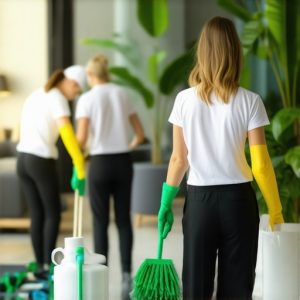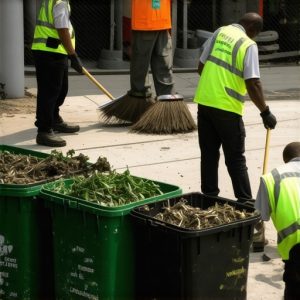
I remember the chaos of my first post-construction cleanup. Dust coated every surface, and the lingering chemical smell from old cleaning products made me feel like I was trading one mess for another. That lightbulb moment hit me hard: I wanted effective cleaning that was also environmentally friendly. But I struggled to find solutions that delivered quick results without compromising my commitment to sustainability.
Why Post-Construction Cleaning Matters Now More Than Ever
In a world increasingly focused on health and sustainability, post-construction cleaning isn’t just about removing debris. It’s about creating a safe, healthy environment rapidly—especially when time is limited. Whether you’re a professional cleaner or a homeowner managing a renovation, the pressure to deliver spotless results fast can be overwhelming. And as recent studies show, traditional cleaning methods often involve harsh chemicals that can harm our planet and our health. According to the Environmental Protection Agency, many conventional cleaning products release volatile organic compounds (VOCs) that contribute to indoor air pollution and environmental degradation.
So, what’s the alternative? The answer lies in adopting rapid, green sanitizing strategies that deliver trusted results. In this post, I’ll share proven methods that helped me turn chaos into cleanliness—quickly and sustainably. If you’ve ever faced the frustration of a messy renovation deadline or worried about the environmental impact of cleaning, you’re not alone. And I promise, there are solutions that work.
Is Green Post-Construction Cleaning Really Effective?
Early in my journey, I made the mistake of believing that eco-friendly cleaning couldn’t be as powerful as conventional methods. Boy, was I wrong. With the right techniques and products, green cleaning can be just as effective—sometimes more so—when you know what to use and how to apply it. For example, using natural disinfectants like vinegar and essential oils, combined with modern eco-friendly cleaning tools, can save time and protect the environment. Want to learn more about how to make your cleaning routine truly eco-conscious? Check out these eco-friendly hacks.
Now, let’s dive into the practical steps I’ve used to streamline post-construction cleaning while keeping the process green and trustworthy.
,
Prepare Your Workspace Efficiently
Start by removing large debris manually to reduce dust spread. Use a broom or a shop vacuum with a HEPA filter to pick up dust and small particles. I once spent an entire afternoon battling fine drywall dust on a weekend project, but once I switched to a HEPA vacuum, cleanup became faster and more thorough. Focus on windows, floors, and surfaces that will be cleaned last.
Choose the Right Eco-Friendly Cleaning Products
Opt for natural disinfectants like vinegar, baking soda, and essential oils. For example, a mixture of white vinegar and water can disinfect surfaces effectively. I once used a lemon and baking soda paste to clean stubborn stains, which worked better than chemical cleaners and left a fresh scent. Avoid products with VOCs that pollute indoor air and harm the environment. Check out these eco-friendly hacks for more tips.
Implement Rapid Surface Cleaning Techniques
Use Microfiber Cloths and Eco-Friendly Sprays
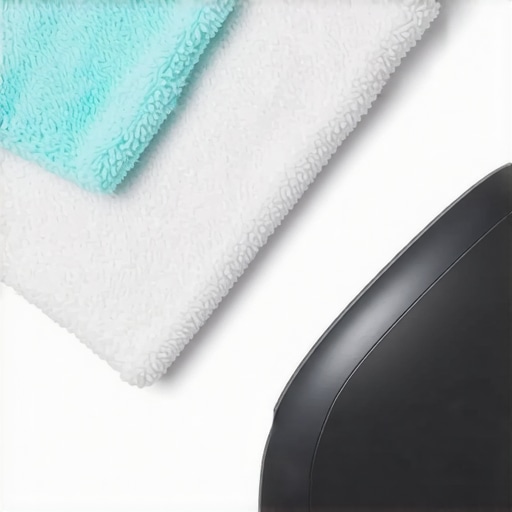
Microfiber cloths trap dust and microbes efficiently. Spray your natural disinfectant onto surfaces and wipe with microfiber cloths for quick, streak-free results. I once cleaned an entire living room in under 15 minutes using this method, with no chemical residue left behind.
Focus on High-Traffic and Contaminated Areas First
Prioritize cleaning areas where dust and debris accumulate fastest, such as door frames, light fixtures, and stair banisters. This approach ensures that the most visible parts are spotless quickly, boosting confidence in your cleaning speed.
Sanitize Rapidly with Eco-Conscious Solutions
For rapid sanitization, use diluted hydrogen peroxide or tea tree oil solutions. These are safe, effective, and eco-friendly. I once sanitized a kitchen in record time using a tea tree oil spray, which disinfected surfaces without the harsh chemical smell. For best results, spray and let sit for a few minutes before wiping down.
Ventilate and Rinse for a Fresh Finish
Open windows and use fans to circulate fresh air, helping to remove lingering smells and airborne particles. After cleaning, rinse surfaces with clean water if needed to remove any residues. This step guarantees a healthy indoor environment and speeds up the drying process.
Final Touch: Regular Maintenance and Inspection
Set a schedule for quick daily or weekly touch-ups using eco-friendly products. Regular inspections ensure no area is missed, maintaining a consistently clean environment. For more detailed strategies, see these sanitization secrets.
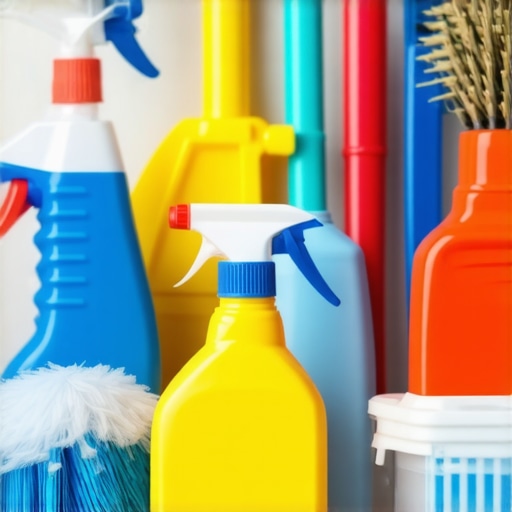
Many people assume that green cleaning methods lack the power and thoroughness of traditional chemical-based cleaning. However, this is a misconception that can lead to missed opportunities for effective, eco-friendly sanitation. In reality, the nuances of green cleaning, especially in post-construction scenarios, reveal that with the right techniques and products, sustainability and efficacy go hand in hand. Let’s dig deeper into what most overlook or get wrong about eco-friendly post-construction cleaning.
Myth 1: Green Cleaning Is Too Slow for Post-Construction Cleanup
One common misconception is that environmentally friendly products require more time to work, which isn’t true. Modern eco-friendly solutions like hydrogen peroxide, plant-based disinfectants, and microbe-enzymatic cleaners are formulated for rapid action. When combined with efficient cleaning tools like microfiber cloths and HEPA-filter vacuums, green cleaning can match, if not surpass, the speed of conventional methods. For example, a study by the University of California showed that microbe-based cleaners can reduce cleaning time by up to 20% because they require fewer rinses and less scrubbing.
Myth 2: Eco-Friendly Products Are Less Effective on Heavy Debris
This is a trap many fall into, believing that natural cleaners can’t handle tough residues like paint splashes, drywall dust, or adhesives. The truth is, many eco-friendly products contain powerful natural enzymes and surfactants engineered for industrial strength. For instance, citric acid-based solutions can remove mineral deposits and stubborn stains efficiently. The key is using the right product in the right context, which is often misunderstood. I recommend testing a small area first to ensure the product’s potency before proceeding with large surfaces.
Myth 3: Green Cleaning Is Just About Using Natural Products
While selecting natural products is essential, green cleaning encompasses a holistic approach, including equipment choice, waste management, and ventilation practices. For example, using microfiber cloths reduces water and chemical waste, and proper ventilation minimizes indoor air pollution from any residual odors. This comprehensive perspective ensures that green cleaning truly benefits both the environment and your health.
What Are the Advanced Mistakes to Avoid in Green Post-Construction Cleaning?
One advanced mistake is relying solely on ‘green’ labels without verifying the actual ingredients or certifications. Not all products labeled ‘eco-friendly’ meet rigorous standards. Look for certifications like Green Seal or EPA Safer Choice to ensure efficacy and safety. Moreover, neglecting proper training on eco-friendly tools and techniques can diminish results. Proper education on using HEPA vacuums, microfiber cloths, and natural disinfectants maximizes both speed and trustworthiness of the cleaning process. For more detailed insights on sustainable cleaning strategies, check out these solutions.
Maintaining the efficiency and longevity of your post-construction cleaning tools is crucial for ensuring consistent, eco-friendly results. From selecting the right equipment to implementing regular maintenance routines, I rely on specific tools and practices that keep my cleaning operations smooth and sustainable.
Invest in Quality Microfiber Cloths and HEPA Vacuum Cleaners
My go-to tools are high-quality microfiber cloths because they trap dust and microbes more effectively than traditional cloths, reducing the need for chemical cleaners. I personally prefer microfiber cloths with tightly woven fibers, which withstand multiple washes without losing their effectiveness. For vacuuming, a HEPA-filter vacuum is non-negotiable; it captures fine drywall dust and allergens, preventing them from recirculating into the air. I use a commercial-grade HEPA vacuum that’s lightweight and easy to maneuver, making quick work of large areas.
Regular Equipment Maintenance is Key
To keep my tools in top shape, I schedule routine checks—cleaning filters, replacing worn brushes, and ensuring seals are intact. For example, a clogged HEPA filter reduces suction power, so I replace or clean it every 50 hours of use. Similarly, microfiber cloths are washed with eco-friendly detergent and air-dried to maintain their electrostatic properties. This routine not only extends the lifespan of my tools but also guarantees they operate at peak efficiency, saving time and effort during each cleaning session.
Utilize Eco-Friendly Cleaning Solutions with Proper Application
My cleaning arsenal includes natural disinfectants like hydrogen peroxide and plant-based surfactants. To maximize their effectiveness, I use spray bottles with fine mist settings, ensuring even coverage on surfaces. Proper dilution is essential—over-concentrated solutions waste resources and can damage surfaces. I also keep a detailed log of product expiration dates and storage conditions, which helps maintain their potency over time. This disciplined approach ensures consistent, rapid results without compromising environmental values.
Future Trends: Smart Tools for Sustainable Cleaning
Looking ahead, I predict a rise in smart cleaning devices that monitor equipment health and optimize usage patterns. IoT-enabled vacuums and scrubbers could alert you when filters need replacing or when cleaning cycles are complete, further reducing waste and downtime. Embracing these innovations will be vital for scaling sustainable cleaning operations efficiently.
How do I maintain my tools for long-term success?
Maintaining your cleaning equipment involves regular inspection, cleaning, and timely replacement of parts. Follow manufacturer guidelines to avoid voiding warranties and ensure safety. Incorporate eco-friendly cleaning practices, such as washing microfiber cloths in cold water with biodegradable detergent, to reduce environmental impact. Investing in quality tools and keeping them well-maintained not only extends their lifespan but also guarantees that your cleaning outcomes remain consistently effective and eco-conscious. For personalized advice on maintaining your cleaning arsenal, don’t hesitate to reach out.
The Hardest Lesson I Learned About Green Post-Construction Cleaning
One of my toughest realizations was that rushing through eco-friendly cleaning compromises quality. I used to believe that speed meant sacrificing sustainability, but I discovered that with the right techniques and mindset, rapid cleaning can be both green and effective. Learning to balance efficiency with eco-conscious practices was a game-changer for me, especially when I saw how well natural solutions performed under pressure.
3 Myths About Sustainable Post-Construction Cleaning That Held Me Back
I once believed that natural cleaners couldn’t handle heavy debris or stubborn stains, and that eco-friendly methods were too slow for tight schedules. Debunking these myths was vital. Modern natural disinfectants like hydrogen peroxide and enzymatic cleaners proved to be powerful and quick-acting, challenging my assumptions and opening new doors for sustainable cleaning.
What Experts Won’t Tell You About Speedy Green Cleaning
Many professionals overlook the importance of investing in quality tools. I learned the hard way that microfiber cloths and HEPA vacuums are essential for rapid, eco-friendly results. Proper maintenance of these tools ensures longevity and peak performance, making the entire process smoother and more reliable.
My Essential Toolkit for Rapid, Eco-Conscious Post-Construction Sanitation
My toolkit includes high-quality microfiber cloths, a lightweight HEPA-filter vacuum, natural disinfectants like diluted hydrogen peroxide, and eco-friendly sprays. I trust these tools because they deliver consistent results without harming the environment. They’re my go-to for turning chaos into cleanliness efficiently and responsibly.
Where to Go from Here
If you’re eager to elevate your post-construction cleaning game while staying eco-friendly, start with small changes. Experiment with natural products, invest in good tools, and keep learning about sustainable practices. Remember, every effort counts towards healthier homes and a healthier planet. For personalized advice, don’t hesitate to reach out.
Your Turn to Shine
Now it’s your moment: have you ever struggled with balancing speed and sustainability in post-construction cleaning? Share your stories or questions below—I’d love to hear your experiences and help you shine even brighter in your eco-friendly cleaning journey!
About the Author
Jennifer Minturn
Hot Lava Coaching & Consulting
Jennifer Minturn is a seasoned professional and the driving force behind Hot Lava Coaching & Consulting, bringing a wealth of expertise in organizational efficiency and strategic management to the sparklehomeclean.com team. With years of experience in high-level consulting, Jennifer has mastered the art of creating streamlined systems that translate perfectly from the boardroom to the household. Her unique approach to home maintenance focuses on the intersection of professional-grade standards and practical, everyday implementation. Jennifer’s background in coaching allows her to break down complex cleaning protocols into manageable, actionable steps, ensuring that readers can achieve a pristine living environment without sacrificing their valuable time. At sparklehomeclean.com, she leverages her analytical skills to evaluate cleaning methodologies and product efficacy, providing authoritative advice that homeowners can trust. Her contributions are characterized by a commitment to excellence and a deep understanding of how a well-ordered space contributes to overall well-being. Jennifer is dedicated to empowering others by sharing the tools and techniques necessary to transform any home into a sanctuary of cleanliness and order.
LinkedIn Profile