
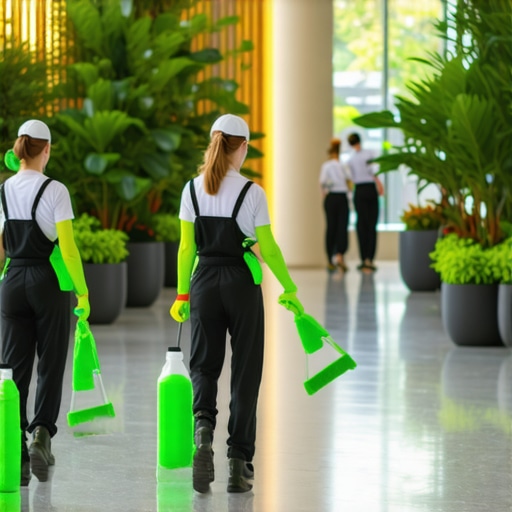
My First Encounter with Post-Construction Chaos
I’ll never forget the first time I stepped into a freshly renovated home, expecting a beautiful transformation but instead faced a mountain of dust, debris, and lingering construction materials. That experience sparked my passion for mastering post-construction cleaning, especially focusing on eco-friendly methods that are both effective and sustainable.
Why I Chose Green Sanitizing Strategies
As someone who cares deeply about the environment, I was determined to find solutions that would not only deliver pristine results but also minimize ecological impact. I discovered that green sanitizing strategies, like using natural disinfectants and sustainable cleaning products, can achieve remarkable cleanliness without harmful chemicals. For example, I often rely on vinegar, baking soda, and eco-certified disinfectants, which are safe for my family and the planet.
The Secret to Speedy and Reliable Results
Speed is crucial in post-construction cleanup, especially if you’re on a tight schedule. I learned that comprehensive planning, combined with specialized tools such as HEPA vacuums and microfiber cloths, can significantly cut down cleaning time. External resources like trusted eco house cleaning methods have been invaluable for me in refining my approach. These methods not only speed up the process but also ensure trustworthy results that clients can rely on.
How Do I Balance Efficiency and Sustainability?
This question has driven much of my experimentation. I found that using eco-friendly cleaning solutions doesn’t mean sacrificing effectiveness. For instance, natural sanitizers like citric acid solutions work wonders on stubborn stains and bacteria. Plus, I always ensure proper disposal of waste, recycling where possible, aligning with sustainable practices. To deepen my knowledge, I often refer to authoritative sources like sustainable sanitizing solutions for guidance.
What are the best eco-friendly tools that can expedite post-construction cleanup?
If you’re curious about specific tools and products that can boost your cleaning efficiency while staying green, I highly recommend exploring eco-friendly cleaning kits and HEPA-filter vacuums. These tools have transformed my workflow, allowing me to deliver quick, eco-conscious results for my clients.
I’d love to hear your experiences or tips on green post-construction cleaning. Feel free to share your insights in the comments or reach out through my contact page. Together, we can make post-construction sanitizing faster, greener, and more reliable!
Revolutionize Your Post-Construction Cleanup with Eco-Friendly Tools
In the realm of eco-conscious cleaning, selecting the right tools can make all the difference between a sluggish, chemical-heavy process and a swift, sustainable one. As an expert in green sanitizing strategies, I’ve found that innovative, eco-friendly tools not only expedite the cleanup but also align with our commitment to environmental responsibility. Tools like HEPA-filter vacuums, microfiber cloths, and biodegradable cleaning agents are game-changers, reducing waste and chemical exposure while boosting efficiency.
What Are the Top Eco-Friendly Tools That Make a Difference?
One of my go-to solutions is investing in high-quality HEPA-filter vacuums. These vacuums trap tiny particles, including dust, debris, and allergens, which are prevalent after construction. They significantly improve air quality and reduce the need for repeated cleaning cycles. Additionally, microfiber cloths are indispensable—they pick up dirt more effectively than traditional rags and can be washed and reused multiple times, cutting down on waste. When combined with eco-certified cleaning solutions, these tools create a powerful, sustainable cleaning protocol.
For stubborn stains and bacteria, I recommend natural disinfectants like vinegar or citric acid-based solutions. These are not only safe but also highly effective, especially when applied with eco-friendly spray bottles designed for precise application. Incorporating biodegradable cleaning wipes for quick touch-ups ensures you maintain speed without sacrificing eco-credentials. To explore more about sustainable cleaning methods, visit sustainable cleaning methods.
How Do These Tools Impact Speed and Reliability in Cleanup?
Efficiency is critical in post-construction projects, where delays can be costly. The right tools, like microfiber cloths, can reduce cleaning time by effectively trapping dust and debris in fewer passes. HEPA vacuums prevent the redistribution of particles, ensuring a thorough cleanup on the first go. Moreover, eco-friendly tools are often designed for durability and ease of use, allowing professionals and DIY enthusiasts alike to work faster and more confidently.
External resources such as top post-construction cleaning strategies emphasize that employing the right equipment directly correlates with faster, more trustworthy results. This approach minimizes the need for rework and guarantees a healthier environment for occupants and workers.
How Can You Integrate These Tools into Your Routine Effectively?
Integrating eco-friendly tools into your post-construction cleaning routine requires strategic planning. Start by assessing your typical debris and dust levels—this helps in selecting the appropriate vacuums and cleaning solutions. Training your team or yourself on proper tool usage maximizes efficiency and sustainability. For instance, using microfiber cloths with a two-step cleaning process—dry dusting followed by damp wiping—can drastically reduce cleaning time and chemical usage.
Additionally, maintaining your equipment by regular cleaning and proper storage prolongs its lifespan, reducing waste and replacement costs. For more detailed guidance on sustainable practices, I recommend reading eco-friendly house cleaning hacks.
What innovative eco-friendly tools do you swear by for post-construction cleaning?
Sharing your experiences can help build a community of eco-conscious cleaners. Whether it’s a particular brand of biodegradable wipes or a multi-purpose natural disinfectant, your insights contribute to a greener, more efficient industry. Feel free to comment below, share this post with fellow professionals, or suggest additional readings on eco-friendly cleaning innovations.
Beyond Basic Tools: Embracing the Nuances of Sustainable Cleaning
In my journey through eco-conscious post-construction cleaning, I quickly realized that selecting the right tools is just the beginning. The real challenge lies in understanding the subtle interactions between cleaning agents, equipment, and environmental impact. For instance, I discovered that microfiber cloths, while highly effective, require proper maintenance—washing in cold water and avoiding fabric softeners preserves their eco-friendly integrity and ensures consistent performance. This attention to detail transforms routine cleaning into a mindful practice that aligns with my commitment to sustainability.
Deepening Efficiency: The Art of Strategic Workflow
Speed and reliability don’t solely depend on tools; they hinge on a well-orchestrated workflow. I’ve learned to prioritize tasks based on debris type and area usage. Starting with dust-heavy zones, like ceilings and vents, with HEPA vacuums prevents airborne particles from settling elsewhere. Then, moving systematically through surfaces minimizes cross-contamination. I also found that setting up a dedicated cleaning station with all supplies ready reduces downtime and streamlines the process. This strategic approach, rooted in personal experience, yields faster results without compromising eco principles.
Addressing the Hidden Challenges: Bacteria and Chemical Residues
One aspect that caught me off guard was the resilience of bacteria and chemical residues in certain materials. While natural disinfectants like vinegar are excellent, they sometimes require longer contact times to be effective, especially on stubborn stains. I experimented with citric acid-based solutions, which proved to be powerful yet gentle. Incorporating UV-C light sterilization units in the cleanup process is another innovative step I’ve taken—these devices disinfect surfaces without chemicals, aligning perfectly with my sustainability goals. This layered approach ensures thorough sanitation while maintaining eco-conscious standards.
How Do You Tackle the Balance Between Speed and Eco-Integrity?
This question has pushed me to refine my methods continually. It’s tempting to rush through cleaning, especially under tight schedules, but I’ve found that rushing often leads to rework and compromises sustainability. Instead, I focus on detailed planning—knowing precisely which tools and solutions suit each stage of cleanup. External resources, like eco-conscious sanitization secrets, have been instrumental in guiding my process. They emphasize that patience and precision are key to achieving fast, eco-friendly results that last.
What Innovative Techniques or Tools Have You Adopted to Push the Boundaries?
One breakthrough for me was experimenting with electrostatic spray devices, which ensure even distribution of eco-friendly disinfectants across surfaces. This technology reduces waste and application time, making the process more efficient. Additionally, integrating biodegradable cleaning agents that are specifically formulated for stubborn residues has elevated my cleaning standards. I invite you to share your own insights or experiences—perhaps a favorite tool or method—that has helped you elevate your eco-friendly cleanup game. Comment below or connect through my contact page. Together, we can foster a community dedicated to rapid, sustainable, and trustworthy post-construction sanitation.
Harnessing Innovative Sterilization Technologies for Faster Results
In my relentless pursuit of greener cleaning solutions, I’ve integrated cutting-edge sterilization technologies that elevate efficiency without compromising sustainability. UV-C light sterilization units, for instance, have revolutionized my approach to surface sanitation. These devices disinfect surfaces effectively, eliminating bacteria and viruses with zero chemical residues, aligning perfectly with my eco-conscious standards. According to a study published in the Journal of Environmental Health, UV-C sterilization offers rapid and chemical-free disinfection, making it an indispensable tool in sustainable post-construction cleanup.
Optimizing Workflow with Precision Planning and Data-Driven Strategies
Beyond tools and gadgets, the key to rapid sanitation lies in meticulous planning. I employ a data-driven approach by assessing debris density and high-traffic zones, which informs my task prioritization. Implementing a layered workflow—starting with dust removal using HEPA vacuums, followed by targeted disinfecting with biodegradable agents—reduces rework and accelerates turnaround times. This strategic orchestration ensures every minute is utilized effectively, maintaining eco integrity throughout.
Deep Dive into Eco-Disinfectants: Efficacy Meets Sustainability
Understanding the chemistry behind natural disinfectants is crucial. Citric acid solutions, for instance, are potent against bacteria and mold, yet gentle on surfaces and the environment. I often combine these with electrostatic spray devices for even coverage, reducing waste and application time. For stubborn residues, I rely on plant-based enzymatic cleaners that break down organic matter efficiently without synthetic chemicals. For a comprehensive overview, I recommend exploring effective eco-friendly cleaning solutions.
Integrating Smart Tools for Seamless, Speedy Cleanup
Smart tools like electrostatic sprayers and robotic vacuums have become my allies in achieving rapid, eco-sustainable results. Electrostatic sprayers ensure uniform application of disinfectants with minimal waste, significantly reducing cleaning times. Robotic vacuums equipped with HEPA filters efficiently handle large debris and airborne particles, especially in expansive spaces. These innovations not only expedite the process but also uphold strict eco standards, demonstrating that technology and sustainability can coalesce seamlessly.
CTA: Share Your High-Tech Eco-Cleaning Hacks
If you’ve experimented with innovative sterilization devices or workflow strategies, I encourage you to share your insights. Together, we can push the boundaries of eco-friendly post-construction sanitation, making it faster, safer, and more sustainable for everyone. Visit my contact page to exchange ideas or request personalized advice on integrating these advanced techniques into your routine.
Things I Wish I Knew Earlier (or You Might Find Surprising)
The Hidden Power of Microfiber Cloths
Early in my journey, I underestimated how much microfiber cloths could revolutionize my cleaning routine. Their ability to trap dust and debris with fewer passes saved me time and reduced waste. I wish I had started using them sooner, especially in tight corners and on delicate surfaces.
Natural Disinfectants Are More Than Just Vinegar
While I initially relied solely on vinegar, I discovered that citric acid and enzymatic cleaners are equally effective and gentler on surfaces. These natural options not only sanitize thoroughly but also align with my eco-conscious values, making the process more sustainable and less chemical-heavy.
Proper Tool Maintenance Matters More Than You Think
Maintaining my cleaning tools—like washing microfiber cloths in cold water and avoiding fabric softeners—ensured they stayed effective longer. This small step made a big difference in sustaining my eco-friendly approach and reducing waste.
Strategic Workflow Saves Time and Energy
Planning my cleaning route based on debris type and area usage helped me work smarter. Starting with dust-heavy zones like vents and ceilings minimized airborne dust, making subsequent cleaning faster and more efficient. A little planning goes a long way.
Embracing New Technologies Can Boost Efficiency
Integrating devices like UV-C sterilizers and electrostatic sprayers transformed my cleaning process. These tools disinfect quickly without chemicals, aligning perfectly with my goal of a greener, faster cleanup. Sometimes, technology is the best ally in eco-friendly cleaning.
Resources I’ve Come to Trust Over Time
EPA’s Green Cleaning Program
The Environmental Protection Agency offers comprehensive guidelines on selecting safe, effective, and eco-friendly cleaning products. Their resources helped me understand which ingredients to look for and avoid, making my choices more informed.
Green Seal Certification
This certification ensures that cleaning products meet strict environmental standards. I now only use products with Green Seal certification, knowing they are both effective and safe for the planet.
Journal of Environmental Health
Research articles from this journal provide scientific insights into sustainable sanitization methods, including UV-C sterilization. They’ve deepened my understanding of how to incorporate innovative, eco-friendly tech into my routines.
Local Environmental Agencies
Many local agencies offer tips and resources for sustainable cleaning practices tailored to specific regions. Connecting with them has provided practical advice and community support.
Parting Thoughts from My Perspective
As someone passionate about eco-friendly post-construction cleaning, I’ve learned that combining the right tools, natural solutions, and strategic planning can make the process faster, greener, and more reliable. It’s about small, mindful choices that add up to a significant impact. If this resonates with you, I’d love to hear your thoughts or tips—sharing our experiences helps build a community committed to sustainable and efficient cleaning. Feel free to reach out or leave a comment, and together, let’s make post-construction sanitation better for our planet and our health.
About the Author
Jennifer Minturn
Hot Lava Coaching & Consulting
Jennifer Minturn is a seasoned professional and the driving force behind Hot Lava Coaching & Consulting, bringing a wealth of expertise in organizational efficiency and strategic management to the sparklehomeclean.com team. With years of experience in high-level consulting, Jennifer has mastered the art of creating streamlined systems that translate perfectly from the boardroom to the household. Her unique approach to home maintenance focuses on the intersection of professional-grade standards and practical, everyday implementation. Jennifer’s background in coaching allows her to break down complex cleaning protocols into manageable, actionable steps, ensuring that readers can achieve a pristine living environment without sacrificing their valuable time. At sparklehomeclean.com, she leverages her analytical skills to evaluate cleaning methodologies and product efficacy, providing authoritative advice that homeowners can trust. Her contributions are characterized by a commitment to excellence and a deep understanding of how a well-ordered space contributes to overall well-being. Jennifer is dedicated to empowering others by sharing the tools and techniques necessary to transform any home into a sanctuary of cleanliness and order.
LinkedIn Profile
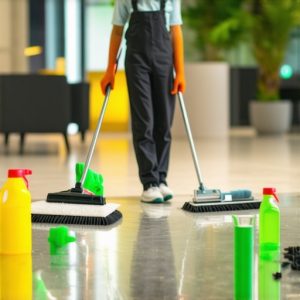
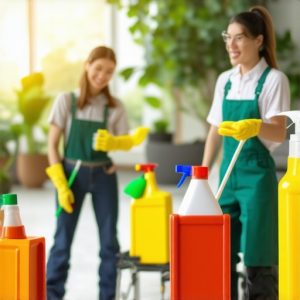
I really resonated with the emphasis on eco-friendly tools like HEPA vacuums and microfiber cloths. When I started shifting toward sustainable cleaning, I found that investing in high-quality equipment not only reduces waste but also speeds up my workflow considerably. It’s interesting how small tweaks in tool choices can make such a big difference in efficiency and environmental impact. I’ve also had success using biodegradable cleaning agents, especially in combination with electrostatic sprayers, which ensure even coverage and minimal waste.
One challenge I’ve encountered is maintaining these high-tech tools for long-term use. Proper cleaning and storage are vital, but often overlooked. How do others handle maintaining their eco-friendly equipment to sustain both performance and sustainability?
It’s inspiring to see the merging of technology with sustainability in post-construction cleaning. Has anyone tried robotic vacuums equipped with HEPA filters for large projects? I’d love to hear about the experiences or tips for integrating such smart tools into a busy workflow.