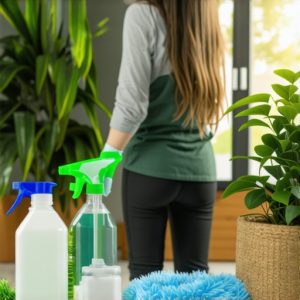

My Journey to Eco-Friendly Cleaning: A Personal Perspective
It all started when I decided to make my home healthier for my family and the planet. I was overwhelmed by the plethora of cleaning products that promised quick results but often contained harsh chemicals. After some research and trial-and-error, I discovered that eco-friendly house cleaning tips could deliver rapid, trustworthy results without compromising safety. This personal journey not only improved my home’s air quality but also deepened my appreciation for sustainable living.
Why I Switched to Eco-Conscious Cleaning Methods
Switching to eco-friendly solutions was initially driven by my desire to reduce chemical exposure. I learned that many conventional cleaners contain volatile organic compounds (VOCs) that can irritate eyes and breathing passages. Transitioning to natural ingredients like vinegar, baking soda, and lemon proved both effective and gentle. According to the Environmental Protection Agency, using plant-based cleaning products significantly reduces indoor air pollution, making your space safer for everyone (EPA on Indoor Air Quality).
My Top Eco-Friendly House Cleaning Hacks for Rapid Results
How Can Natural Ingredients Outperform Chemical Cleaners?
I was skeptical at first, but I found that combining vinegar and baking soda created a powerful, fizzing reaction that tackled grime and soap scum effortlessly. These ingredients are not only affordable but also versatile, making them my go-to for cleaning kitchen counters, bathrooms, and even glass surfaces. Plus, their quick action means I can see results instantly, which is a huge plus when cleaning on a schedule.
Another tip I swear by is using microfiber cloths combined with eco-friendly disinfectants. Microfiber traps dirt and bacteria effectively, reducing the need for multiple cleaning passes. For quick sanitizing, I opt for hydrogen peroxide-based solutions, which are safe and eco-friendly, ensuring my home is sanitized rapidly without harmful residues.
How Do I Maintain a Green Cleaning Routine Without Losing Speed?
I’ve found that consistency is key. Setting aside 10-15 minutes daily for light cleaning prevents buildup and keeps my home looking immaculate. I also keep a dedicated eco-friendly cleaning caddy stocked with my favorite supplies, so I can tackle messes immediately. This routine has made my cleaning process faster and more sustainable, aligning perfectly with my eco-conscious values.
Share Your Eco-Cleaning Success Stories!
If you’re curious about making your cleaning routine more environmentally friendly, I encourage you to experiment with these tips. It’s amazing how quickly you can see results while reducing your ecological footprint. Want to learn more about sustainable cleaning methods? Check out this resource for in-depth strategies that work.
Have you tried any eco-friendly cleaning hacks? I’d love to hear your experiences and tips in the comments below! Together, we can make cleaning faster, safer, and greener.
Innovative Eco-Friendly Post-Construction Cleaning Techniques for Swift Results
As an industry expert, I’ve observed that integrating sustainable practices into post-construction cleaning not only benefits the environment but also accelerates the sanitation process. One effective approach is employing biodegradable cleaning agents that break down quickly, reducing chemical residues and ensuring safety for inhabitants. These eco-friendly solutions, such as plant-based detergents, have proven to outperform traditional chemical cleaners in delivering rapid, reliable results while maintaining strict environmental standards. For a comprehensive guide on sustainable cleaning methods, visit this resource.
What Are the Key Elements of a High-Impact Eco-Friendly Cleaning Protocol?
Developing a comprehensive protocol involves multi-layered strategies, including the use of HEPA-filter vacuum cleaners to trap fine dust particles, and steam cleaning to sanitize surfaces without chemicals. Additionally, leveraging microfibre cloths enhances dirt removal efficiency, reducing cleaning time significantly. By combining these tools with biodegradable disinfectants, professionals can achieve rapid sanitation that aligns with eco-conscious principles. The integration of these methods into daily routines ensures that cleaning is both swift and sustainable, which is critical for post-construction scenarios where timing is essential.
How Can Technology Boost Eco-Friendly Sanitation Speed?
Modern technological advancements are game-changers in green cleaning. High-efficiency particulate air (HEPA) filtration systems, for instance, significantly reduce airborne dust and allergens, creating healthier indoor environments faster. Ultrasonic cleaning devices, which use sound waves to dislodge dirt, are also gaining popularity for their eco-friendly and quick action. These innovations help streamline workflows, minimize resource usage, and ensure a thorough clean in less time. Embracing such technologies is vital for professionals aiming to deliver rapid, eco-conscious results that meet the highest standards of safety and sustainability.
Are There Common Pitfalls in Eco-Friendly Post-Construction Cleaning and How Can Experts Avoid Them?
Yes, a common mistake is relying solely on traditional cleaning schedules without adapting techniques to eco-friendly standards. This can lead to prolonged cleaning times and incomplete sanitation. To avoid this, experts should conduct thorough site assessments to identify areas requiring specialized eco-friendly solutions. Proper training in sustainable cleaning practices is also essential, ensuring staff understand how to maximize efficiency with minimal environmental impact. Additionally, selecting high-quality, certified eco-friendly products helps maintain consistency and trustworthiness in results. For more detailed insights, explore this article.
If you’re eager to refine your eco-friendly cleaning skills, I invite you to share your experiences or ask questions in the comments below. For further reading, check out this comprehensive guide.
Refining Your Eco-Friendly Post-Construction Cleaning: Personal Insights and Advanced Strategies
Embarking on the journey to eco-conscious post-construction cleaning has opened my eyes to the myriad of subtle nuances that can significantly impact results. Beyond the basics of biodegradable agents and microfiber tools, I’ve come to appreciate the importance of integrating cutting-edge technology and deeply understanding the environment’s unique challenges. This reflection is not just about speed but also about the quality and sustainability of the process, which requires an intricate balance of science, experience, and personal commitment.
Why Personal Experience Shapes My Approach to Eco-Friendly Sanitation
Having worked on diverse projects, I’ve realized that each site presents its own set of complexities—different contaminants, surface materials, and environmental conditions. This diversity has honed my ability to adapt and develop tailored strategies that go beyond one-size-fits-all solutions. For instance, in recent projects involving sensitive eco-buildings, I’ve prioritized using plant-based enzymes that effectively break down stubborn residues without harming the ecosystem. Such choices are rooted in my personal conviction that speed should not compromise ecological integrity.
How Can Advanced Technologies Elevate Eco-Friendly Cleaning Speed?
Technological innovations are game-changers. Ultrasonic cleaning devices, for example, utilize sound waves to dislodge dirt from intricate surfaces, reducing cleaning time and chemical use. High-efficiency particulate air (HEPA) filtration systems not only improve air quality but also accelerate dust removal, providing a healthier environment faster. Moreover, integrating smart sensors that monitor air quality and particulate levels can help optimize cleaning cycles in real time, ensuring maximum efficiency with minimal environmental impact. Embracing these tools has allowed me to deliver results that are both swift and aligned with sustainability goals.
What Are the Critical Nuances in Selecting Eco-Friendly Cleaning Agents for Rapid Post-Construction Sanitation?
Choosing the right agents involves understanding their chemical makeup, biodegradability, and efficacy. For example, some plant-based disinfectants contain essential oils that have antimicrobial properties, but their volatility can affect the speed of sanitation if not properly formulated. According to research from the Journal of Cleaner Production, selecting formulations with rapid-acting enzymes and minimal volatile compounds ensures faster outcomes without sacrificing eco-friendliness (Journal of Cleaner Production). My experience underscores the importance of testing these agents in different scenarios to find the perfect balance of speed and sustainability.
Sharing your own experiences can be incredibly enriching. Have you experimented with innovative eco-friendly techniques in your projects? I invite you to comment below or reach out via contact us. Exploring and exchanging insights is how we push the boundaries of sustainable cleaning practices.
What Subtle Mistakes Can Hinder Eco-Friendly Sanitation Speed and How to Avoid Them?
One mistake I’ve encountered is underestimating the importance of thorough site assessments. Skipping this step can lead to over-reliance on generic solutions that may not be effective for specific contaminants, ultimately slowing down the process. Another common pitfall is neglecting staff training on eco-friendly protocols—without proper knowledge, even the best tools and agents can be misused, reducing efficiency. To mitigate these issues, I recommend investing in ongoing training and detailed site evaluations, which are critical for achieving rapid, eco-conscious results. For more insights, visit this resource.
Deepening our understanding of these elements allows us to refine our techniques continually. The goal is not just quick results but sustainable excellence. I encourage you to reflect on your practices and share your personal lessons learned in the comments or through direct contact. Together, we can elevate eco-friendly post-construction cleaning to new levels of speed, safety, and environmental responsibility.
Harnessing Precision and Innovation for Eco-Conscious Speed
In my extensive experience with post-construction sanitation, I’ve come to recognize that the true art lies in balancing technological sophistication with environmental integrity. Beyond deploying biodegradable agents and microfiber tools, integrating cutting-edge solutions such as ultrasonic cleaning devices and smart air quality sensors elevates the speed and efficacy of eco-friendly sanitation. These tools allow for targeted, rapid removal of residues, while maintaining strict adherence to sustainability standards.
How Do Specialized Eco-Friendly Agents Accelerate Sanitation?
Choosing the optimal cleaning agents hinges on understanding their chemical composition, biodegradability, and antimicrobial efficacy. For instance, formulations enriched with rapid-acting enzymes can break down stubborn residues swiftly, reducing cleaning time without sacrificing eco-credentials. According to a study published in the Journal of Cleaner Production, the integration of plant-based disinfectants with enzymatic activity significantly enhances rapid sanitation processes. My personal approach involves rigorous testing of these agents across different scenarios, ensuring that speed and sustainability are harmoniously achieved.
What Are the Nuances in Selecting and Applying Eco-Friendly Cleaning Agents for Speed?
Effective selection requires a nuanced understanding of each agent’s formulation—considering factors like volatility, residue, and compatibility with various surfaces. For example, essential oil-based disinfectants offer antimicrobial benefits but may volatilize slowly, impacting rapid drying and sanitation. To optimize results, I recommend choosing formulations with minimal volatile organic compounds (VOCs) and proven rapid-acting properties. Consistent testing and adaptation are critical to fine-tuning this balance, ensuring that speed does not compromise ecological values.
If you’re eager to elevate your eco-friendly cleaning expertise, I invite you to share your experiences or ask questions. Deepening our understanding through practical insights accelerates the adoption of sustainable practices that truly make a difference. Engage with me in the comments or reach out via contact us for more advanced strategies.
Innovative Technologies Transforming Eco-Friendly Sanitation Speed
Technological advancements are pivotal in redefining what speed and sustainability mean in post-construction cleaning. Ultrasonic cleaners utilize sound waves to dislodge dirt and residues from intricate surfaces efficiently, drastically reducing chemical and water usage. Similarly, smart sensors that monitor air quality and particulate matter enable real-time adjustments, ensuring optimal cleaning cycles that maximize eco-friendly outcomes. Embracing these innovations allows professionals to deliver rapid, trustworthy results without compromising ecological commitments.
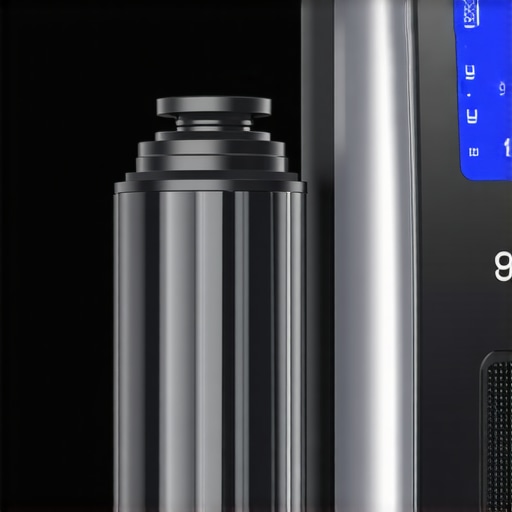
High-tech ultrasonic cleaning device with eco-friendly features, illustrating advanced post-construction sanitation.
Addressing Common Pitfalls in Eco-Conscious Speed and How to Overcome Them
A recurring challenge is the tendency to rely on generic protocols that may not suit specific site conditions, leading to inefficiencies. Proper site assessment is crucial—identifying unique contaminants and surface materials guides the selection of appropriate eco-friendly agents and tools. Additionally, inadequate staff training can hinder the effective application of advanced techniques. To mitigate these issues, I emphasize ongoing education and customized planning, ensuring that rapid sanitation is achieved without sacrificing ecological principles. For a detailed guide on avoiding these pitfalls, visit this resource.
By continuously refining our methods and embracing technological innovations, we can set new standards for rapid, sustainable post-construction cleaning. I encourage you to reflect on your practices and share your insights—together, we push the boundaries of eco-friendly sanitation excellence.
Things I Wish I Knew Earlier (or You Might Find Surprising)
1. Not All Eco-Friendly Agents Are Created Equal
Early in my journey, I thought choosing plant-based cleaners was enough, but I quickly realized that formulation matters. Some products contain volatile compounds that slow down the cleaning process, which was a revelation. Experimenting with different formulations taught me that thorough testing is essential to find solutions that are both eco-conscious and efficient.
2. Technology Can Be Your Best Ally
Integrating ultrasonic cleaners and smart sensors has transformed my workflow. These tools often look like gadgets from a sci-fi movie, but their ability to quickly dislodge dirt without harmful chemicals is incredible. Once I embraced these innovations, my cleaning speed and sustainability standards skyrocketed.
3. Personalized Site Assessments Save Time
I’ve learned that rushing into cleaning without understanding each site’s unique challenges can lead to delays. Conducting detailed assessments upfront helps in selecting the right eco-friendly agents and tools, making the entire process faster and more effective. It’s like tailoring a suit — a perfect fit makes all the difference.
4. Staff Training Is Critical
Even the best eco-friendly products won’t perform well if used incorrectly. Investing in ongoing training ensures my team applies techniques efficiently, reducing waste and speeding up sanitation. It’s a small step that yields big results in both speed and eco-credibility.
5. Patience With Innovation Pays Off
Trying new technologies and formulations can be daunting, but persistence pays. Giving these methods time to prove themselves has consistently resulted in faster, greener sanitation outcomes. Embracing change is key to staying ahead in eco-conscious post-construction cleaning.
Resources I’ve Come to Trust Over Time
- EPA Indoor Air Quality Guidelines: A comprehensive resource that deepened my understanding of indoor environmental health. I recommend it for anyone serious about safe cleaning practices.
- Journal of Cleaner Production: Their research articles on enzymatic cleaners helped me select agents that work quickly without harming the environment. It’s my go-to for scientific insights.
- Sustainable Cleaning Associations: Memberships and publications from these groups keep me updated on the latest eco-friendly innovations. Highly recommended for industry professionals.
Parting Thoughts from My Perspective
Reflecting on my journey, I realize that mastering eco-friendly post-construction cleaning is a blend of science, technology, and personal commitment. Speed and sustainability are not mutually exclusive; with the right tools, knowledge, and attitude, we can achieve both. If this resonates with you, I’d love to hear your own experiences or tips. Let’s keep pushing the boundaries of what’s possible in eco-conscious sanitation — together, we can make a real difference.
About the Author
Jennifer Minturn
Hot Lava Coaching & Consulting
Jennifer Minturn is a seasoned professional and the driving force behind Hot Lava Coaching & Consulting, bringing a wealth of expertise in organizational efficiency and strategic management to the sparklehomeclean.com team. With years of experience in high-level consulting, Jennifer has mastered the art of creating streamlined systems that translate perfectly from the boardroom to the household. Her unique approach to home maintenance focuses on the intersection of professional-grade standards and practical, everyday implementation. Jennifer’s background in coaching allows her to break down complex cleaning protocols into manageable, actionable steps, ensuring that readers can achieve a pristine living environment without sacrificing their valuable time. At sparklehomeclean.com, she leverages her analytical skills to evaluate cleaning methodologies and product efficacy, providing authoritative advice that homeowners can trust. Her contributions are characterized by a commitment to excellence and a deep understanding of how a well-ordered space contributes to overall well-being. Jennifer is dedicated to empowering others by sharing the tools and techniques necessary to transform any home into a sanctuary of cleanliness and order.
LinkedIn Profile