
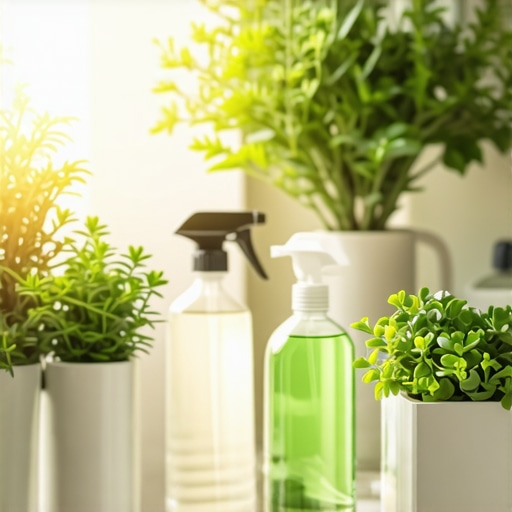
My Journey to Greener, Safer Home Cleaning
Last year, I decided to overhaul my cleaning routine after realizing how many traditional cleaning products contain harsh chemicals that can harm our environment and family health. I was eager to find effective yet eco-friendly solutions that I could trust. My quest led me to discover some amazing trusted eco-friendly house cleaning tips that deliver rapid, lasting results without compromising safety or sustainability.
Why I Switched to Eco-Friendly Cleaning Methods
Switching to environmentally friendly cleaning wasn’t just about reducing my carbon footprint; it was about creating a healthier living space. I noticed that natural cleaning ingredients like vinegar, baking soda, and essential oils work wonders. Plus, they’re affordable and readily available, making them perfect for my busy lifestyle. I also learned that many eco-friendly products are certified by reputable organizations, ensuring they meet high safety and environmental standards. For more insights on sustainable cleaning methods, I recommend checking out this resource.
Simple, Proven Eco-Friendly Cleaning Hacks
One of my favorite tips is using a mixture of white vinegar and water as a versatile cleaner. It’s excellent for windows, countertops, and even bathroom tiles. Baking soda, on the other hand, acts as a gentle abrasive to scrub sinks and tubs without scratching surfaces. I also started adding a few drops of tea tree or lemon essential oil to my cleaning solutions for a fresh scent and antimicrobial benefits. These hacks are quick to implement and have noticeably improved my home’s air quality and cleanliness.
How Do I Ensure Rapid, Long-Lasting Results?
Consistent maintenance is key. I now schedule weekly cleaning routines that incorporate eco-friendly products and tools. Using microfiber cloths helps trap dust and dirt more efficiently, reducing the need for chemical sprays. Additionally, I pay attention to ventilation—opening windows during and after cleaning helps dissipate any residual odors and keeps indoor air fresh. For deeper cleaning that maintains eco-standards, I also explore post-construction sanitization strategies, which are crucial after renovation projects. You can learn more about effective post-construction cleaning.
What Are the Biggest Challenges in Maintaining Eco-Friendly Cleaning Routines?
Honestly, finding the right balance between effectiveness and eco-friendliness can be tricky at first. Some products labeled as green may not deliver the same power as traditional cleaners. However, with a bit of trial and error, I discovered that combining natural ingredients and proper cleaning techniques yields excellent results. It’s also vital to read labels carefully and choose certified products for peace of mind. If you’re interested in eco-friendly solutions for post-construction cleaning, I highly recommend exploring these tips for a safer, sustainable approach.
If you’ve tried eco-friendly cleaning or are curious about making the switch, I’d love to hear your experiences. Feel free to share your tips or ask questions in the comments below!
Harnessing Eco-Friendly Strategies for Post-Construction Sanitation
After a renovation or construction project, cleaning up swiftly while maintaining eco-conscious practices can be challenging. The key lies in employing sustainable cleaning methods that are both effective and safe for the environment. For instance, integrating natural disinfectants such as vinegar and essential oils not only ensures rapid sanitation but also aligns with eco-friendly standards. Exploring innovative solutions like biodegradable cleaning agents further enhances the sustainability of your post-construction cleanup routine. For comprehensive guidance, check out these eco-friendly post-construction cleaning tips.
Innovative Eco-Friendly Cleaning Tools for Faster Results
Utilizing modern, eco-conscious cleaning tools can significantly cut down cleaning time while adhering to green standards. Microfiber cloths, for example, trap dust and dirt more efficiently than traditional rags, reducing the need for chemical cleaners. Additionally, steam cleaning devices powered by renewable energy sources offer deep sanitation without chemical residues. Incorporating these tools into your cleaning arsenal not only accelerates the process but also ensures safety for both the environment and your household. For more advanced eco-cleaning techniques, consider reviewing these effective hacks.
What Are the Nuances in Balancing Speed and Sustainability?
Balancing rapid cleaning with eco-consciousness involves understanding the nuances of both efficiency and environmental impact. For example, selecting biodegradable, non-toxic cleaning agents that are certified for safety ensures swift removal of debris and residues without harmful side effects. Moreover, implementing targeted cleaning strategies—focusing on high-traffic areas first—can optimize time without compromising eco principles. According to trusted sources like trusted eco cleaning methods, combining these approaches results in a cleaning process that is both rapid and responsible. Do you think adopting such multi-faceted strategies could revolutionize post-construction sanitation in your projects? Feel free to share your thoughts or ask for tailored advice in the comments below!
Reflections on the Nuances of Eco-Conscious Cleaning in a Busy World
Embarking on my journey toward greener cleaning practices was initially driven by a desire to reduce chemical exposure and adopt more sustainable habits. Over time, I discovered that truly mastering eco-friendly cleaning involves understanding the delicate balance between efficiency and environmental responsibility. It’s about recognizing that not all natural ingredients are equally effective in every situation and that integrating advanced techniques can elevate your routine from good to exceptional.
How Do I Navigate the Complexities of Eco-Friendly Sanitation?
Through personal experimentation and ongoing research, I learned that the key lies in combining traditional natural solutions with innovative tools. For instance, using steam cleaners powered by renewable energy can sanitize surfaces deeply without chemicals, while selecting biodegradable disinfectants ensures safety for both household members and the planet. According to authoritative sources like this resource, blending technology with eco-conscious ingredients maximizes results and minimizes ecological impact.
What Are the Hidden Challenges in Maintaining Speed Without Compromising Sustainability?
One of the most subtle yet impactful challenges is managing time while ensuring thorough cleaning. High-efficiency microfiber cloths, for example, can trap dust and microbes more effectively, reducing the need for multiple passes and chemical sprays. Ventilation, an often overlooked aspect, plays a crucial role—opening windows during and after cleaning not only disperses residual odors but also enhances indoor air quality. This holistic approach demands attention to detail, patience, and a willingness to experiment with different methods to find what works best for your space.
Personal Tips for Accelerating Eco-Friendly Post-Construction Cleaning
After experiencing several renovation projects, I realized that preparation is vital. Creating a systematic plan that targets high-traffic and high-dirt areas first helps streamline the process. Using tools like biodegradable scrub pads and eco-friendly disinfectants, I was able to significantly cut down cleaning time while maintaining high standards. Incorporating post-construction specific strategies, such as dust barriers and HEPA-filter vacuums, further enhances effectiveness. For those interested, exploring these insights can inspire tailored solutions for your projects.
Why Personal Experience Continues to Shape My Approach
Every cleaning session teaches me something new about the nuances of eco-conscious practices. For example, I’ve found that understanding the environmental impact of each product guides me to select the most sustainable options without sacrificing cleanliness. This ongoing learning process keeps me motivated and eager to explore emerging innovations in eco-friendly cleaning technology and methods. Sharing these insights with others has become a passion, as I believe collective knowledge accelerates our shift toward healthier, more sustainable living environments. If you’ve embarked on a similar journey or have unique tips, I invite you to share your experiences in the comments or connect through this contact page.
Embracing the Future of Eco-Friendly Cleaning
Looking ahead, I am excited about the potential of integrating smart cleaning devices and AI-driven solutions to further enhance speed and sustainability. The evolving landscape of eco-friendly cleaning technologies promises to make rapid, trustworthy sanitation more accessible and effective than ever before. As I continue to refine my routines, I remain committed to learning, adapting, and sharing insights that can help others achieve the same balance of speed and sustainability in their cleaning endeavors. The journey is ongoing, and the possibilities are truly inspiring.
Mastering the Art of Eco-Conscious Speed: Navigating the Complexities
Balancing swift cleaning with unwavering commitment to eco-friendliness demands an intricate understanding of both environmental impact and operational efficiency. Advanced techniques such as employing biodegradable microfibers combined with targeted high-traffic area strategies allow for rapid sanitation without sacrificing sustainability. For instance, deploying HEPA-filtered vacuums minimizes dust re-circulation, enhancing indoor air quality while reducing reliance on chemical agents. According to a comprehensive guide from this resource, integrating smart technology with traditional eco-friendly methods can revolutionize your cleaning regimen, making it faster and greener. Have you experimented with such innovative approaches to enhance your cleaning efficiency sustainably? Share your experiences or ask for personalized advice in the comments below!
The Nuances of Integrating Cutting-Edge Eco Technologies
Delving deeper into eco-conscious cleaning, the adoption of advanced tools like steam cleaners powered by renewable energy sources exemplifies how technology can align speed with sustainability. These devices deliver deep sanitation, effectively eliminating microbes and residues without chemical use. Moreover, incorporating biodegradable disinfectants—crafted from plant-based ingredients—ensures safety and eco-compatibility. An insightful study from this authoritative source highlights the synergistic effect of technology and natural ingredients in achieving rapid, eco-friendly results. Are you ready to explore these innovations further? I invite you to engage with my detailed insights or share your journey towards smarter, greener cleaning practices.
Overcoming Hidden Challenges in Eco-Speedy Sanitation
One subtle yet formidable challenge is maintaining thoroughness under time constraints while adhering to eco principles. Utilizing high-efficiency microfiber cloths with antimicrobial properties allows for multiple passes with less product, conserving resources and reducing waste. Ventilation strategies, such as cross-ventilation during cleaning, accelerate odor dispersion and improve air quality without energy-intensive air filtration. These nuanced techniques require patience and a willingness to adapt, but they significantly elevate the sustainability quotient of your cleaning routine. For a practical application, explore these proven hacks to refine your approach. Do you have additional tips for achieving rapid, eco-conscious sanitation? I’d love to hear your insights—let’s learn together!
Embracing Future Innovations: Smart and Sustainable Cleaning
The future of eco-friendly cleaning is poised to be transformed by smart devices and AI-driven solutions that optimize both speed and environmental impact. Imagine robotic vacuums programmed to operate with minimal energy, or app-controlled steam cleaners that adjust settings based on surface type. These innovations promise to make rapid sanitation more accessible and eco-responsible than ever before. For example, integrating IoT-enabled sensors can monitor indoor air quality, prompting targeted cleaning only where necessary, thus conserving resources. A visionary perspective from this detailed guide underscores how technology and eco-consciousness can coalesce seamlessly. Are you excited about the potential of these emerging tools? I encourage you to delve into these insights or share your thoughts on how technology can revolutionize sustainable cleaning in your space.
Things I Wish I Knew Earlier (or You Might Find Surprising)
The Hidden Power of Simple Ingredients
One unexpected discovery I made was how incredibly effective basic ingredients like vinegar and baking soda can be, even against stubborn stains. I used to rely solely on commercial cleaners, but switching to natural solutions not only saved me money but also made me feel better about what my family was exposed to. It’s amazing how much you can achieve with just a few household staples.
Myths About Green Products
I used to think that eco-friendly cleaning products were less powerful, but I found that many are now just as effective as traditional cleaners. The trick is choosing certified products and understanding how to use them properly. This realization opened up a whole new world of safe and sustainable cleaning that actually works.
The Role of Ventilation
Proper ventilation during and after cleaning has a surprisingly big impact on indoor air quality. I started opening windows more often, which helped dissipate any residual odors and kept my home feeling fresh. It’s a simple step that makes a huge difference in maintaining a healthy environment.
Time-Saving Eco Tools
Investing in eco-friendly tools like microfiber cloths and steam cleaners has transformed my cleaning routine. These tools are not only better for the planet but also speed up the process, allowing me to clean more efficiently without sacrificing sustainability. It’s a win-win for busy households.
Consistency Is Key
Maintaining an eco-friendly routine requires consistency. I’ve learned that setting a regular schedule and sticking to it helps keep my home clean and reduces the need for harsh chemicals. Over time, this consistency has built healthier habits for my family and me.
Resources I’ve Come to Trust Over Time
- Sustainable Cleaning Methods: This resource from Sparkle Home Clean has deepened my understanding of eco-friendly cleaning techniques and is a great starting point for anyone interested in greener habits. I highly recommend exploring it for practical tips.
- Eco-Conscious Post-Construction Sanitization: Their detailed guides on post-renovation cleaning have saved me time and effort, offering safe, effective strategies that respect the environment. It’s a must-visit for anyone tackling construction cleanup.
- Green House Cleaning Tips: The comprehensive tips shared here helped me discover innovative tools and methods to keep my home spotless sustainably. It’s a trustworthy source I turn to often.
Parting Thoughts from My Perspective
Embracing eco-friendly cleaning has been a journey filled with surprises and valuable lessons. From realizing the power of simple ingredients to understanding the importance of proper ventilation and tools, I’ve seen firsthand how sustainable practices can be both effective and rewarding. For anyone considering making the switch, I encourage you to start small, stay consistent, and explore trusted resources like Sparkle Home Clean to guide your way. If this resonated with you, I’d love to hear your thoughts or experiences—feel free to share in the comments or reach out through the contact page. Together, we can create healthier homes and a healthier planet.
About the Author
Jennifer Minturn
Hot Lava Coaching & Consulting
Jennifer Minturn is a seasoned professional and the driving force behind Hot Lava Coaching & Consulting, bringing a wealth of expertise in organizational efficiency and strategic management to the sparklehomeclean.com team. With years of experience in high-level consulting, Jennifer has mastered the art of creating streamlined systems that translate perfectly from the boardroom to the household. Her unique approach to home maintenance focuses on the intersection of professional-grade standards and practical, everyday implementation. Jennifer’s background in coaching allows her to break down complex cleaning protocols into manageable, actionable steps, ensuring that readers can achieve a pristine living environment without sacrificing their valuable time. At sparklehomeclean.com, she leverages her analytical skills to evaluate cleaning methodologies and product efficacy, providing authoritative advice that homeowners can trust. Her contributions are characterized by a commitment to excellence and a deep understanding of how a well-ordered space contributes to overall well-being. Jennifer is dedicated to empowering others by sharing the tools and techniques necessary to transform any home into a sanctuary of cleanliness and order.
LinkedIn Profile



Reading about your journey to greener cleaning really resonated with me. I totally agree that natural ingredients like vinegar, baking soda, and essential oils can be surprisingly effective—I’ve used similar methods for years, especially in my kitchen and bathroom. What I find most challenging is ensuring that these solutions remain effective against stubborn stains and deep dirt, especially after renovation work. I started experimenting with steam cleaning devices powered by renewable energy, and it made a noticeable difference in both efficiency and eco-friendliness. Have you tried steam cleaning for post-construction messes? I’d love to hear your thoughts or any tips on balancing speed and eco-responsibility during those deep cleans. It’s inspiring to see more people embracing sustainable routines, and I believe sharing practical experiences makes it even easier for others to get started.
I completely relate to your journey toward greener cleaning! About the challenge of stubborn stains and deep dirt post-renovation, I’ve also found that combining natural ingredients with targeted mechanical methods makes a significant difference. For example, letting a vinegar-baking soda paste sit on tougher spots before gentle scrubbing can boost effectiveness without relying on harsh chemicals. I’ve been exploring steam cleaners powered by renewable energy, as you mentioned, and they’ve helped speed up the process considerably, especially in difficult areas. The key is to pre-treat and then use tools like microfiber cloths or steam to finish the job efficiently. From my experience, maintaining good ventilation during and after cleaning not only helps in dispersing residual odors but also enhances air quality. Do you think integrating these techniques could make your post-construction cleaning faster and more eco-friendly? I would love to hear if you’ve found additional tips or tools that help balance speed with sustainability—sharing these ideas can really make a difference for others trying to perfect their routines.