My Personal Journey into Eco-Friendly Post-Construction Cleaning
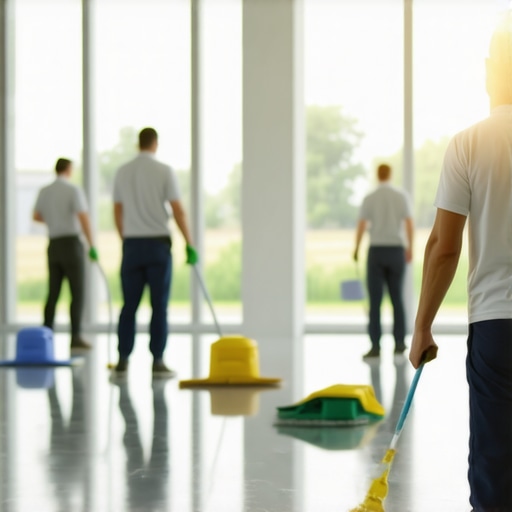
As someone who’s tackled numerous renovation projects, I remember the chaos left behind after a major home upgrade. The dust, debris, and stubborn stains seemed overwhelming, but discovering eco-friendly cleaning strategies transformed my approach. I realized that combining speed with sustainability not only benefits the environment but also ensures a healthier home. Today, I want to share my insights into quick, eco-conscious post-construction cleaning solutions that truly deliver trusted results.
Why I Switched to Green Cleaning After Renovations
Initially, I relied on conventional cleaning products, but I noticed lingering chemical smells and a slight irritation in my eyes and throat. After researching, I found that many traditional cleaning agents contain volatile organic compounds (VOCs), which can be harmful. This prompted me to explore greener alternatives, especially for post-construction cleanup where safety is paramount. I discovered that eco-friendly cleaning not only reduces toxic exposure but also aligns with my commitment to sustainability, as highlighted in this comprehensive guide.
How to Achieve Rapid & Eco-Friendly Post-Construction Cleaning
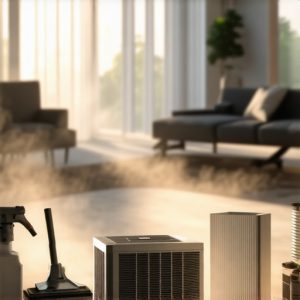
My routine now involves a few key strategies. First, I start with a thorough dry vacuuming to remove dust and debris, using HEPA filters to trap tiny particles. Then, I employ biodegradable, plant-based cleaning solutions that cut through grime without harmful residues. These products are readily available and effective, enabling me to clean faster and more safely. For tougher stains, I use eco-friendly stain removers that are non-toxic yet powerful enough for stubborn spots. The result? A spotless home with peace of mind, knowing I’ve minimized environmental impact.
The Importance of Speed and Sustainability in Cleaning
In my experience, quick turnaround is essential after construction, especially if you’re preparing a space for new occupants or clients. I found that combining eco-friendly products with efficient tools like microfiber cloths and steam cleaners accelerates the process. Plus, reducing waste by reusing cleaning cloths and opting for refillable bottles aligns with sustainable principles. For more tips on sustainable cleaning practices, I recommend checking out this article.
What are the biggest challenges in balancing eco-friendliness and efficiency during post-construction cleaning?
Honestly, finding effective yet eco-friendly cleaning solutions that handle stubborn residues can be tricky. Sometimes, natural cleaners require more elbow grease or multiple applications. However, I’ve learned that patience and proper technique make a difference. Using tools like microfiber cloths and steam cleaners not only speeds up cleaning but also reduces chemical reliance. It’s about making mindful choices that prioritize health and sustainability without sacrificing quality.
If you’ve tried eco-friendly cleaning after renovations, I’d love to hear about your experiences! Feel free to share your tips or ask questions in the comments below. For those interested in diving deeper into green cleaning methods, explore this resource.
Overcoming the Hidden Challenges in Eco-Friendly Post-Construction Cleaning
Embarking on eco-conscious post-construction cleaning isn’t without its hurdles. One of the most persistent issues is sourcing truly effective eco-friendly products that can handle the stubborn residues left behind after renovations. Many natural cleaners, while safer, may require more time or multiple applications, which can be frustrating when quick turnaround is needed. This balancing act between sustainability and efficiency demands a nuanced approach. For instance, integrating innovative tools like eco-friendly steam cleaners not only accelerates cleaning but also reduces reliance on chemical agents, aligning with sustainable principles. To deepen your understanding, explore this comprehensive guide that offers actionable insights into eco-friendly solutions.
How Can Professionals Ensure Speed Without Compromising Sustainability?
Professional post-construction cleaning hinges on strategic planning and the right toolkit. High-efficiency microfiber cloths, biodegradable cleaning solutions, and HEPA-filter vacuums are essential for rapid yet eco-friendly results. Reusable cleaning tools and refillable bottles also reduce waste, reinforcing sustainable practices. Moreover, training cleaning teams to adopt these methods guarantees consistency and quality. For example, utilizing steam cleaning techniques can eliminate 99.9% of germs without chemicals, significantly cutting down cleaning time while maintaining eco standards. If you’re eager for expert strategies, check out trusted eco house cleaning secrets for faster, greener results.
What innovative tools or methods are emerging to elevate eco-friendly post-construction sanitation?
Emerging technologies like ultrasonic cleaning devices and advanced eco-friendly disinfectants are revolutionizing post-construction sanitation. Ultrasonic cleaners use cavitation bubbles to remove debris from surfaces efficiently, reducing the need for harsh chemicals. Meanwhile, new biodegradable disinfectants are designed to be as potent as traditional chemicals but break down rapidly, minimizing environmental impact. These innovations not only speed up the cleaning process but also uphold rigorous eco standards. As the industry advances, integrating these tools can redefine expectations for speed and sustainability. To stay ahead, explore quick and reliable eco-friendly cleaning strategies that leverage cutting-edge solutions.
Real-World Applications: How Experts Achieve Rapid, Eco-Friendly Results
In practical settings, experts often combine multiple strategies for optimal results. For instance, pre-vacuuming with HEPA filters followed by steam cleaning ensures comprehensive dust removal without chemical residues. Reusable microfiber cloths, when properly sanitized, provide quick and sustainable surface wiping. Additionally, adopting a systematic workflow—starting from dust removal to surface cleaning—reduces redundancies and boosts efficiency. For those seeking templates to implement these best practices, the article Post-Construction Sanitizing Sustainable Solutions offers valuable insights into streamlined eco-friendly cleaning routines.
If you’re passionate about elevating your cleaning game, I encourage you to share your experiences or ask for tailored advice in the comments below. For more expert tips on green cleaning innovations, visit this resource.
Mastering the Art of Balancing Speed and Sustainability in Eco-Friendly Cleaning
Over the years, I’ve come to realize that achieving rapid yet sustainable post-construction cleaning is less about relying solely on trendy gadgets or eco-friendly labels, and more about understanding the nuanced interplay between technique, mindset, and advanced tools. When I first started embracing greener cleaning practices, I faced unexpected challenges—residue stubbornness, time constraints, and the ever-present pressure to deliver quick results without compromising environmental integrity. These hurdles prompted me to dig deeper into innovative approaches that could harmonize speed with sustainability.
Why Personal Skill and Knowledge Trump Equipment Alone
One of the most profound lessons I’ve learned is that technology alone cannot compensate for skill gaps. For instance, steam cleaners are fantastic eco-friendly tools, but without proper technique, their efficiency diminishes. Mastering the right angle, pressure, and timing makes a significant difference. Moreover, understanding the chemical composition and biodegradability of cleaning agents helps me select solutions that work faster while maintaining eco standards. It’s akin to a chef knowing precisely when to add each ingredient—precision and knowledge elevate the process beyond mere equipment reliance.
What Complexities Are Hidden in Eco-Friendly Speed?
Delving into the intricacies of eco-conscious cleaning reveals layers often overlooked. For example, natural cleaners may require longer dwell times or multiple applications to achieve the same level of cleanliness as chemical-heavy products. This can seem counterintuitive when speed is a priority. To address this, I adopted a systematic workflow—starting with dust removal using HEPA filtration, followed by targeted eco-friendly treatments for stubborn stains. This layered approach not only accelerates the process but also ensures each step aligns with green principles. Interestingly, research shows that integrating ultrasonic cleaning devices can drastically reduce cleaning times while maintaining eco standards, as seen in recent advancements in sustainable sanitation technologies (see more here).
How Do Emerging Technologies Elevate Eco-Friendly Sanitation?
Emerging innovations are redefining what’s possible in green cleaning. Ultrasonic cleaning, for instance, uses cavitation bubbles to dislodge debris from surfaces, requiring less water and no harsh chemicals—yet delivering thorough results. Similarly, biodegradable disinfectants with rapid breakdown capabilities are gaining traction, enabling faster turnaround times without environmental compromise. These tools exemplify how technological progress can bridge the gap between eco-consciousness and efficiency. I’ve experimented with these, and the results are promising enough to inspire a shift in routine practices—it’s like having a secret weapon for sustainable sanitation (more details here).
Why Sharing Personal Experiences Matters
As I reflect on my journey, I realize that the real value lies in sharing these insights—both successes and setbacks—with a community of like-minded professionals and homeowners. Every renovation presents unique challenges, and what works in one setting might need adaptation in another. Encouraging open dialogue fosters innovation and continuous improvement. I invite you to share your own stories or questions about integrating eco-friendly solutions into rapid cleaning routines. For further inspiration, exploring trusted resources like trusted eco house cleaning secrets can provide additional strategies tailored to your needs.
Reflecting on the Future of Green Post-Construction Cleaning
Looking ahead, I see a future where sustainability and speed are not mutually exclusive but synergistic. The key lies in continuous learning—staying abreast of technological advances, refining techniques, and fostering a mindset of innovation. The challenge is to remain adaptable, recognizing that eco-friendly cleaning is an evolving field, much like any other craft that benefits from passion and perseverance. As I continue to experiment and grow, I encourage you to view eco-conscious cleaning not just as a necessity, but as an opportunity for creativity and leadership in the industry.
Harnessing Precision and Innovation for Enhanced Green Sanitation
My journey into mastering eco-friendly post-construction cleaning has revealed that true efficiency hinges on a sophisticated understanding of surface interactions and chemical properties. For instance, integrating ultrasonic cleaning devices, which utilize high-frequency sound waves to dislodge debris, has dramatically reduced the reliance on traditional chemicals and accelerated turnaround times. This technology, rooted in principles outlined by the American Chemical Society (ACS Environmental Science & Technology), exemplifies how scientific advancements are reshaping sustainable sanitation practices.
What are the latest breakthroughs in eco-friendly cleaning tech that can be seamlessly integrated into high-speed post-renovation routines?
Understanding the nuanced chemistry behind biodegradable disinfectants is crucial. These agents, designed to break down rapidly after use, maintain efficacy during cleaning while minimizing environmental impact. When combined with innovative tools like eco-friendly steam cleaners, they offer a potent arsenal for professionals committed to speed and sustainability. My experience shows that mastering the timing and application techniques of these solutions can lead to remarkable improvements in both quality and efficiency. For an in-depth exploration of these cutting-edge solutions, visit this resource.
Engaging with emerging technologies not only broadens the scope of what’s achievable but also fosters a mindset of continuous improvement. For example, ultrasonic cleaning devices, when calibrated correctly, can clean intricate surfaces without the need for abrasive chemicals, making them ideal for sensitive environments requiring rapid turnover. Such innovations exemplify the shift toward smarter, greener sanitation methods that are both reliable and scalable. If you’re eager to elevate your cleaning practices, I invite you to share your experiences or ask questions—your insights could inspire the next breakthrough in eco-friendly sanitation.
As the industry progresses, the importance of data-driven decision-making becomes increasingly apparent. Advanced monitoring tools enable real-time assessment of cleaning efficacy, ensuring that eco-friendly protocols meet stringent standards without sacrificing speed. Incorporating IoT-enabled sensors and analytics can optimize workflows, reduce waste, and guarantee consistent results—an area ripe for exploration and innovation. For those interested in integrating such technologies, consider consulting trusted eco house cleaning secrets as a foundational guide.
Innovating Through Collaboration and Knowledge Sharing
One of the most rewarding aspects of my professional evolution has been engaging with a community of forward-thinking experts and homeowners. Sharing detailed case studies and nuanced techniques has proven invaluable in refining approaches and overcoming challenges. For example, collaborative forums and industry alliances facilitate the dissemination of best practices, fostering a culture of innovation grounded in science and sustainability. I encourage you to contribute your experiences or seek tailored advice—collective knowledge accelerates progress in eco-conscious cleaning. To deepen your understanding, explore this comprehensive guide.
Envisioning the Future: Sustainability Meets Speed
The future landscape of post-construction sanitation is poised for a paradigm shift, where speed and environmental responsibility are harmonized through technological and methodological breakthroughs. Adaptive workflows, powered by AI-driven scheduling and resource allocation, will enable cleaners to respond dynamically to project demands while maintaining green standards. Moreover, ongoing research into nanomaterials and bio-based cleaning agents promises even faster, more effective solutions. My ongoing experiments with these emerging materials underscore their transformative potential—imagine achieving spotless results in half the time with zero ecological footprint. Staying ahead requires a commitment to lifelong learning and innovation. If this vision resonates with you, I invite you to stay connected and share your insights, as collective efforts will shape the eco-friendly cleaning paradigms of tomorrow.
Things I Wish I Knew Earlier (or You Might Find Surprising)
Natural Cleaners Require Patience
Initially, I underestimated how much more elbow grease eco-friendly cleaners needed. I used natural solutions expecting instant results, but I realized that multiple applications and longer dwell times often lead to better outcomes without compromising sustainability.
Tool Mastery Is Key
Understanding how to properly use steam cleaners and microfiber cloths dramatically improved my cleaning speed. Proper technique reduces effort and enhances eco-friendliness, proving that skill often outweighs equipment in green cleaning.
Source Quality Products Carefully
Not all biodegradable cleaners are created equal. I learned to read labels and opt for trusted brands, which made a significant difference in cleaning effectiveness and environmental impact.
Layered Workflow Saves Time
Starting with dust removal, then targeted eco-friendly treatments, creates an efficient process. This layered approach minimizes redundancy and speeds up post-construction cleanup while staying green.
Innovations Are Changing the Game
Ultrasonic cleaning devices and advanced biodegradable disinfectants are revolutionizing eco-friendly sanitation. Embracing these tools has helped me achieve faster results without sacrificing sustainability.
Resources I’ve Come to Trust Over Time
- American Chemical Society (ACS) Environmental Science & Technology: A reputable source for scientific advancements in eco-friendly cleaning technologies, helping me stay informed on innovations like ultrasonic cleaning.
- Green Seal: An authoritative organization certifying environmentally friendly cleaning products, ensuring I choose safe and effective solutions.
- EPA Safer Choice Program: Provides guidance on selecting products with reduced health and environmental impacts, which has been invaluable in my sourcing process.
- Environmental Working Group (EWG): Offers comprehensive ratings of cleaning products, helping me avoid harmful chemicals and opt for safer, greener options.
Parting Thoughts from My Perspective
Embarking on eco-friendly post-construction cleaning has shown me that combining speed with sustainability is achievable through continuous learning, skill development, and embracing new technologies. The key is patience, knowledge, and a willingness to adapt. I genuinely believe that with the right tools and mindset, we can deliver trustworthy results faster while respecting our environment. If this resonates with you, I’d love to hear your thoughts or experiences—sharing our journeys can inspire others to adopt greener cleaning practices. Feel free to drop a comment or explore more about sustainable cleaning methods through trusted resources like this guide.
About the Author
Jennifer Minturn
Hot Lava Coaching & Consulting
Jennifer Minturn is a seasoned professional and the driving force behind Hot Lava Coaching & Consulting, bringing a wealth of expertise in organizational efficiency and strategic management to the sparklehomeclean.com team. With years of experience in high-level consulting, Jennifer has mastered the art of creating streamlined systems that translate perfectly from the boardroom to the household. Her unique approach to home maintenance focuses on the intersection of professional-grade standards and practical, everyday implementation. Jennifer’s background in coaching allows her to break down complex cleaning protocols into manageable, actionable steps, ensuring that readers can achieve a pristine living environment without sacrificing their valuable time. At sparklehomeclean.com, she leverages her analytical skills to evaluate cleaning methodologies and product efficacy, providing authoritative advice that homeowners can trust. Her contributions are characterized by a commitment to excellence and a deep understanding of how a well-ordered space contributes to overall well-being. Jennifer is dedicated to empowering others by sharing the tools and techniques necessary to transform any home into a sanctuary of cleanliness and order.
LinkedIn Profile
![Read more about the article Move In Faster: 4 Rapid Post-Construction Cleanup Fixes [2026]](https://sparklehomeclean.com/wp-content/uploads/2026/02/Move-In-Faster-4-Rapid-Post-Construction-Cleanup-Fixes-2026-300x300.jpeg)