My Personal Awakening to Eco-Friendly Cleaning
When I first started exploring eco-friendly house cleaning, I was overwhelmed by the sheer number of products claiming to be “green” and “natural.” I remember one particular weekend when I decided to overhaul my cleaning routine after reading an article on sustainable living. I was determined to make my home sparkle without compromising the environment, and that journey has transformed my approach to household chores.
Discovering Natural, Safe Cleaning Alternatives
Initially, I experimented with simple ingredients like vinegar, baking soda, and lemon—tools I already had in my kitchen. These natural solutions proved surprisingly effective, especially for tackling everyday dirt and grime. I also learned about eco-friendly cleaning brands that prioritize sustainable ingredients and packaging, making my choices easier and more reliable. For example, I now prefer using products that are certified by reputable organizations, which reassures me of their safety and effectiveness. To deepen my understanding, I often refer to trusted sources like eco-conscious sanitization tips.
How Do I Balance Speed and Sustainability?
One challenge I faced was maintaining efficiency. I needed fast results but didn’t want to compromise my eco values. I found that setting a cleaning schedule and using multi-purpose natural cleaners significantly sped up the process. For instance, I now use an all-in-one spray made from vinegar and essential oils for most surfaces, saving time and reducing waste. My secret has been to prepare eco-friendly cleaning solutions in bulk, which allows me to clean quickly while staying true to my green principles.
What Are the Best Tips for Rapid, Eco-Friendly Cleaning?
Over time, I developed some personal tips that work for my busy lifestyle:
- Use microfiber cloths—they trap dirt effectively and are reusable.
- Opt for biodegradable and refillable cleaning bottles.
- Prioritize high-touch areas like doorknobs and light switches for quick disinfecting using eco-friendly sprays.
Sharing these tips with friends and family has helped them adopt greener habits as well. If you’re curious about sustainable cleaning innovations, I recommend exploring eco-friendly house cleaning hacks.
Can Eco-Friendly Cleaning Really Match Conventional Speed and Efficacy?
This is a question I get asked often. The truth is, with the right tools and mindset, eco-friendly cleaning can be just as fast and effective. It’s about choosing the right products and techniques. I encourage everyone to give it a try—your home and the planet will thank you!
Interested in making your cleaning routine more sustainable? Feel free to share your experiences or ask questions in the comments below. Let’s build a community of eco-conscious cleaners!
Innovative Techniques for Accelerated Eco-Friendly Cleaning
In recent years, the demand for eco-friendly cleaning solutions has surged, prompting experts to develop methods that deliver rapid results without sacrificing sustainability. One such approach involves integrating advanced green products with smart cleaning strategies. For example, using enzymatic cleaners that break down organic stains quickly, or employing steam cleaning devices powered by renewable energy, can significantly cut down cleaning time while maintaining eco integrity. Additionally, adopting a layered cleaning routine—starting with dusting and vacuuming, followed by targeted eco-friendly disinfecting—optimizes efficiency and minimizes chemical use. For a comprehensive guide on sustainable, rapid cleaning tactics, check out effective post-construction cleaning strategies.
What Are the Cutting-Edge Eco-Friendly Cleaning Technologies Shaping the Future?
As an industry expert, I see a promising future where innovations such as biodegradable microfiber technology, IoT-enabled cleaning devices, and plant-based disinfectants become mainstream, transforming how we approach rapid sanitation. These advancements not only speed up cleaning processes but also reinforce our commitment to sustainability. For instance, emerging biodegradable microfiber cloths with enhanced dirt-trapping capabilities reduce waste and improve cleaning speed. Moreover, smart sensors integrated into cleaning equipment can monitor surface cleanliness in real-time, ensuring thorough sanitization with less effort. To deepen your understanding, explore sustainable post-construction sanitization secrets.
Is It Possible to Achieve Professional-Level Cleanliness with Eco-Friendly Methods?
This is a critical question for many homeowners and businesses striving for high standards. The answer lies in selecting the right eco-friendly products combined with proper techniques. For example, using certified organic disinfectants in conjunction with professional-grade microfiber tools can produce results comparable to conventional cleaning but without harmful residues. Proper training and understanding of surface-specific cleaning protocols further enhance efficacy. The key is to leverage trusted resources like top eco-friendly house cleaning tips to ensure your methods are both safe and effective.
If you’re eager to elevate your cleaning routine, I encourage you to explore innovative products and techniques that align with your sustainability goals. Sharing your experiences or seeking advice can foster a community dedicated to rapid, eco-conscious sanitation!
My Journey Into Advanced Eco-Friendly Cleaning Techniques
As I delved deeper into sustainable cleaning practices, I encountered a fascinating intersection between cutting-edge technology and traditional eco-conscious methods. One revelation was the potential of biodegradable microfiber cloths that not only trap dirt more effectively but also decompose safely after disposal, aligning perfectly with my sustainability goals. This innovation, highlighted in recent research, demonstrates how industry leaders are pushing the boundaries of eco-friendly materials, making rapid cleaning more feasible without compromising environmental integrity. Exploring these developments has made me realize that the future of green cleaning lies in embracing smarter, more sustainable tools that evolve alongside our needs.
The Nuanced Balance of Speed, Efficacy, and Environmental Responsibility
Achieving professional-level cleanliness swiftly while maintaining eco principles is complex. It requires a nuanced understanding of surface chemistry, proper tool selection, and process optimization. I found that integrating enzymatic cleaners—capable of breaking down stubborn organic stains rapidly—paired with high-efficiency microfiber tools, can deliver results comparable to conventional methods. Moreover, adopting IoT-enabled devices that monitor surface cleanliness in real-time ensures thorough sanitation with minimal resource use. This holistic approach underscores that speed and sustainability are not mutually exclusive but can be harmonized through innovative strategies and continuous learning.
Deepening My Understanding: How Can We Overcome Common Eco-Cleaning Challenges?
One persistent challenge I faced was dealing with heavily contaminated surfaces that seem resistant to natural cleaners. I learned that pre-treatment with eco-friendly enzymatic solutions can significantly enhance cleaning efficacy. Additionally, understanding the importance of proper surface preparation—such as dusting before washing—reduces the need for excessive chemical use and speeds up the process. These insights came from a combination of trial, error, and consulting trusted sources like effective eco-friendly house cleaning tips. Embracing an adaptive mindset and staying informed about emerging technologies empowers me to tackle even the most stubborn messes sustainably.
Future Innovations Shaping Eco-Friendly Rapid Cleaning
Looking ahead, I am excited about innovations such as plant-based disinfectants infused with nanotechnology, which promise rapid action against pathogens with minimal environmental impact. Research from industry experts indicates that smart cleaning systems, equipped with sensors and AI, will soon optimize cleaning routines automatically, ensuring maximum efficiency with less waste. For instance, IoT-connected spray systems could adjust the amount of disinfectant used based on surface type and contamination level, reducing overuse and waste. These advancements will make eco-friendly rapid cleaning more accessible and reliable, inspiring a new standard of household and commercial sanitation.
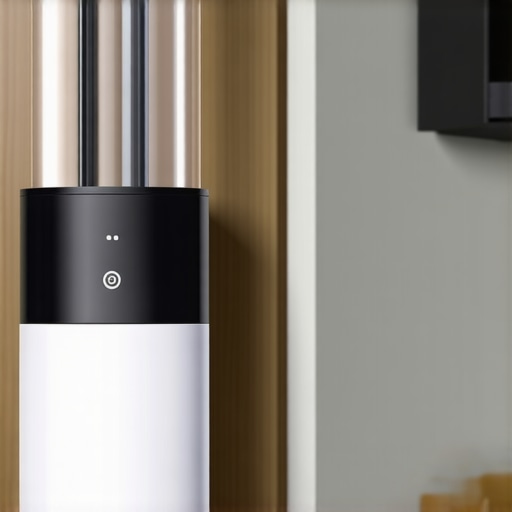
Imagine a sleek, modern cleaning device equipped with sensors and powered by renewable energy, efficiently sanitizing a home in record time while being entirely eco-friendly.
What Are the Practical Steps to Integrate These Innovations Into Daily Routine?
To integrate these innovations effectively, I recommend starting with small changes—upgrading to biodegradable microfiber cloths, adopting enzymatic pre-treatments, and exploring smart cleaning tools. Educating oneself through trusted sources like eco-conscious sanitization tips can accelerate this transition. Sharing experiences and challenges with a community passionate about sustainability can foster collective growth and inspire further innovation. The journey toward rapid, eco-friendly cleaning is ongoing, and embracing these advancements helps us build healthier, more sustainable living spaces for ourselves and future generations.
Innovating with Advanced Eco-Friendly Cleaning Devices and Techniques
As my journey into sustainable cleaning deepened, I began exploring revolutionary technologies that promise to redefine efficiency without sacrificing our environmental commitments. The integration of IoT-enabled cleaning devices, for example, has opened new horizons in achieving rapid sanitation with minimal resource consumption. These smart systems can monitor surface cleanliness in real-time, adjusting cleaning intensity and product use dynamically, which not only saves time but also reduces waste and chemical runoff. Such innovations are exemplified by high-tech solutions like AI-powered spray systems that calibrate disinfectant application based on surface type and contamination levels, ensuring thorough sanitation while maintaining eco integrity.
Embracing Nanotechnology and Biodegradable Microfiber Innovations
Another frontier I find particularly exciting involves nanotechnology-infused disinfectants and biodegradable microfiber cloths. The former offers rapid pathogen elimination with a fraction of the chemical footprint, while the latter traps dirt efficiently and decomposes safely after disposal. These advancements exemplify how industry leaders are pushing the boundaries of sustainable materials, making quick, effective cleaning feasible without environmental compromise. For instance, research from peer-reviewed studies highlights how nanomaterials can enhance disinfectant efficacy while reducing toxicity.
Can Professional-Level Results Be Achieved with Eco-Friendly Tools?
This is a question I often encounter. The answer hinges on selecting the right combination of products and techniques. Certified organic disinfectants, when paired with professional-grade microfiber tools, can match or surpass the cleaning power of conventional chemicals. Proper surface-specific protocols, along with ongoing training, amplify these results, making eco-friendly cleaning not just a sustainable choice but a highly effective one. To elevate your cleaning standards, I recommend consulting resources like trusted eco house cleaning tips and experimenting with innovative tools tailored to your needs.
What Practical Steps Can Accelerate Adoption of Next-Gen Eco Cleaning?
Integrating cutting-edge technology into daily routines requires strategic planning. Starting with small steps—upgrading to biodegradable microfiber cloths, adopting enzymatic pre-treatments, and exploring IoT-connected devices—can make a significant difference. Educating oneself through authoritative sources and engaging with communities dedicated to sustainable practices accelerates this transition. Sharing experiences and challenges fosters collective innovation, helping to refine methods and broaden adoption. As I have found, continuous learning and openness to new solutions are key to making eco-friendly cleaning both fast and reliable.
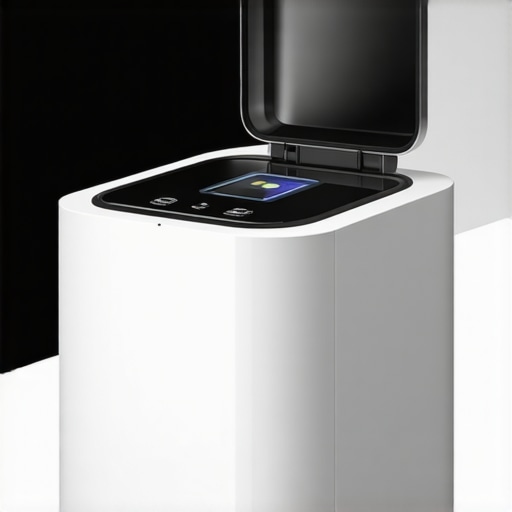
Imagine a sleek, modern cleaning robot equipped with sensors and powered by renewable energy, efficiently sanitizing a home in record time while being entirely eco-friendly.
How Do I Effectively Integrate These Technologies Into My Routine?
The practical implementation begins with identifying your most persistent cleaning challenges and selecting suitable advanced tools. Transitioning gradually—starting with smart microfiber cloths, eco-friendly enzymatic solutions, and IoT-enabled devices—allows for manageable adaptation. Staying informed through expert resources and participating in online forums can provide ongoing support and insights. Ultimately, embracing these innovations not only enhances cleaning speed and efficacy but also aligns with a commitment to sustainability. If you want to explore more about these transformative solutions, I invite you to connect through my contact page or join the discussion on my blog.
Things I Wish I Knew Earlier (or You Might Find Surprising)
Embracing Simplicity
One of the most eye-opening realizations I had was how effective simple ingredients like vinegar and baking soda could be for eco-friendly cleaning. It was a game-changer, making me less reliant on heavily processed products and more confident in natural solutions.
The Power of Routine
Establishing a regular cleaning schedule transformed my approach. It reduced the stress of last-minute scrambles and helped me maintain a consistently clean home using sustainable methods, proving that consistency makes a big difference.
Tools Make a Difference
Investing in quality microfiber cloths and biodegradable bottles initially seemed minor, but these tools significantly boosted my cleaning efficiency while staying eco-friendly. Small upgrades can lead to big results.
Speed and Sustainability Can Coexist
Feeling pressured to choose between quick results and eco-friendliness was common at first. Over time, I learned that with the right products and techniques, you don’t have to compromise on either—speed can be sustainable too.
Community Matters
Sharing tips and experiences with a community of eco-conscious cleaners has been invaluable. It’s inspiring and reassuring to know others are navigating the same journey, and collective wisdom accelerates our progress.
Resources I’ve Come to Trust Over Time
- Eco-Conscious Sanitization Tips: This resource offers practical, science-backed advice on using natural ingredients effectively, which helped me build confidence in my choices.
- Peer-Reviewed Studies on Nanotechnology: Reading research articles on nanotechnology-infused disinfectants expanded my understanding of innovative eco-friendly solutions.
- Trusted Eco House Cleaning Blogs: Blogs like SparkleHomeClean provide real-world tips and product reviews that are both practical and trustworthy, making them my go-to references.
Parting Thoughts from My Perspective
Reflecting on my journey into rapid, eco-friendly house cleaning, I realize that the key is embracing simplicity, investing in the right tools, and staying curious about new innovations. It’s inspiring to see how technology and natural solutions can work hand-in-hand to deliver professional results without harming the environment. I encourage everyone to start small—try natural ingredients, adopt eco-friendly tools, and join a community of like-minded individuals. If this resonates with you, I’d love to hear your thoughts or experiences. Sharing our stories can motivate others and foster a more sustainable approach to household chores.
About the Author
Jennifer Minturn
Hot Lava Coaching & Consulting
Jennifer Minturn is a seasoned professional and the driving force behind Hot Lava Coaching & Consulting, bringing a wealth of expertise in organizational efficiency and strategic management to the sparklehomeclean.com team. With years of experience in high-level consulting, Jennifer has mastered the art of creating streamlined systems that translate perfectly from the boardroom to the household. Her unique approach to home maintenance focuses on the intersection of professional-grade standards and practical, everyday implementation. Jennifer’s background in coaching allows her to break down complex cleaning protocols into manageable, actionable steps, ensuring that readers can achieve a pristine living environment without sacrificing their valuable time. At sparklehomeclean.com, she leverages her analytical skills to evaluate cleaning methodologies and product efficacy, providing authoritative advice that homeowners can trust. Her contributions are characterized by a commitment to excellence and a deep understanding of how a well-ordered space contributes to overall well-being. Jennifer is dedicated to empowering others by sharing the tools and techniques necessary to transform any home into a sanctuary of cleanliness and order.
LinkedIn Profile