
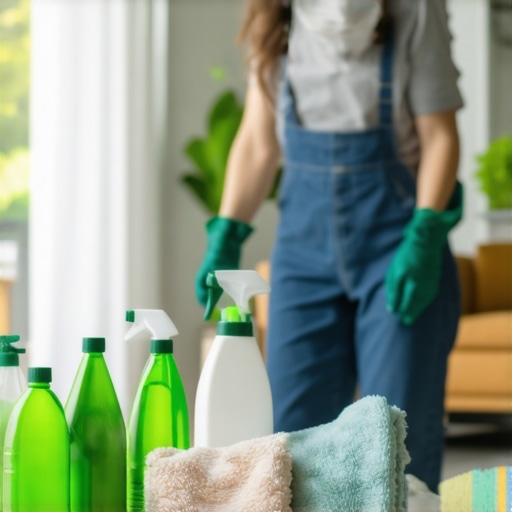
Discovering the Joy of Eco-Friendly Cleaning in My Home
It all started when I decided to make my cleaning routine more sustainable. I wanted to reduce my chemical footprint and contribute to a healthier environment, all while keeping my home sparkling clean. My first step was experimenting with natural ingredients I already had in my kitchen, like vinegar and baking soda. The results? Surprisingly effective and incredibly satisfying. I realized that eco-friendly house cleaning isn’t just a trend; it’s a practical approach that yields fast and reliable results.
My Go-To Green Cleaning Hacks for a Faster, Safer Home
One of the most impactful tips I adopted was using **DIY cleaning solutions** made from simple, non-toxic ingredients. For example, a mixture of lemon juice and baking soda works wonders on sinks and countertops. Not only does it cut through grime, but it also leaves a fresh scent behind. Plus, switching to eco-friendly cleaning products available in stores has made my routine much more efficient. These products are designed to be fast-acting and trustworthy, ensuring I don’t compromise on cleanliness or safety.
How Do I Ensure Reliable Results with Eco Cleaning?
Consistency is key. I set a weekly cleaning schedule that prioritizes eco-friendly methods, which helps me stay on track without feeling overwhelmed. I also invest in quality tools like microfiber cloths and biodegradable sponges—they’re gentle on surfaces and environmentally friendly. To boost my confidence in the effectiveness of my routine, I often refer to trusted resources, such as trusted eco house cleaning tips. These insights remind me that sustainable cleaning can deliver results as fast as traditional methods.
What Are the Benefits of Eco-Friendly Cleaning Beyond Speed?
Beyond quick results, I’ve noticed a significant improvement in my indoor air quality and overall well-being. Using less toxic chemicals means less irritation and allergies, especially for my family members who have sensitivities. I also feel good knowing I’m reducing my environmental impact—less plastic waste, fewer harmful emissions, and supporting sustainable brands. It’s a win-win situation that motivates me to stay committed to eco-friendly practices.
Curious About the Science Behind Natural Cleaners?
Natural ingredients like vinegar and lemon are effective because of their antimicrobial properties, which have been supported by various studies. For example, vinegar’s acetic acid can inhibit bacteria, making it a safe alternative to chemical disinfectants. If you’re interested in learning more about this, I recommend checking out eco-friendly cleaning hacks for a deeper dive into science-backed methods.
Are you already using eco-friendly cleaning methods? I’d love to hear your experiences or tips—feel free to share in the comments below or connect with me through this contact page.
Harnessing the Power of Eco-Conscious Cleaning Agents for Rapid Results
One of the most effective ways to ensure speedy and trustworthy cleaning outcomes is to leverage high-quality, eco-friendly cleaning products that have been specifically formulated for quick action. These products often contain plant-based enzymes and biodegradable surfactants that break down dirt and grime efficiently without harmful chemicals. When selecting such products, look for those with certified eco-labels, which guarantee their safety and effectiveness, like those recommended by environmentally responsible organizations. For a deeper understanding of how these products work, you can explore trusted eco house cleaning tips.
Optimizing Your Cleaning Schedule for Maximum Speed and Safety
Strategic planning is crucial. Implementing a consistent cleaning schedule, such as a weekly routine, allows you to stay ahead of dirt buildup while minimizing effort per session. Prioritize high-traffic areas and use microfiber cloths combined with eco-friendly disinfectants to expedite cleaning processes. Microfiber, in particular, is highly effective at trapping dust and microbes, reducing the need for multiple passes and speeding up the process. Additionally, scheduling deep cleans during times when you have the most energy ensures you maintain efficiency without sacrificing thoroughness.
Can Technological Innovations Enhance Eco-Friendly Cleaning Efficiency?
Absolutely. Modern cleaning technology offers innovative solutions that align with eco-conscious principles. Devices like steam cleaners use only water to sanitize surfaces effectively, eliminating the need for chemical cleaners altogether. These tools are fast, versatile, and eco-friendly, making them ideal for quick sanitation tasks. Moreover, robotic vacuums equipped with HEPA filters and silent operation can maintain cleanliness with minimal human intervention, freeing up your time for other tasks. Integrating such technology into your routine can dramatically improve speed while maintaining eco-friendly standards.
How Do I Balance Speed with Deep Cleaning for Long-Term Sustainability?
Fast cleaning is essential, but it should not compromise long-term hygiene and sustainability. Developing a layered cleaning approach—quick daily tidying combined with periodic deep cleans—ensures your home remains both spotless and environmentally friendly. Use eco-friendly post-construction cleaning solutions for areas that need intensive attention, ensuring the use of sustainable, eco-conscious products that support rapid sanitation without harming the environment. To see the best practices, consider consulting post-construction cleaning eco-friendly tips.
What are the practical hurdles in maintaining rapid, eco-friendly cleaning routines, and how can they be overcome?
One common challenge is balancing the availability of trustworthy eco-friendly products with their cost and accessibility. Many high-quality green cleaners are affordable and readily available, especially if you opt for DIY solutions such as vinegar and baking soda, which are both effective and sustainable. Another hurdle is the misconception that eco-friendly methods are less potent; however, scientific studies support their antimicrobial efficacy, especially when combined with proper cleaning techniques. To stay motivated, I recommend exploring comprehensive guides on eco-friendly cleaning hacks that empower you with practical knowledge and confidence.
If you’re eager to elevate your eco-cleaning routine, consider sharing your experiences or asking questions in the comments below. For tailored advice, visit our contact page.
Exploring the Hidden Layers of Sustainable Cleaning
As I delved deeper into eco-friendly cleaning, I discovered that the journey is far more nuanced than simply swapping out chemical products for natural alternatives. It’s about understanding the lifecycle of the products we use, the sourcing of ingredients, and the broader environmental impact. For instance, choosing biodegradable packaging and supporting brands committed to transparency and sustainability became essential steps in my routine. This awareness prompted me to explore innovations like plant-based enzymes, which are not only effective but also gentle on the planet. The more I learn, the more I realize that sustainable cleaning is a continuous process of education, reflection, and conscious decision-making.
The Complexity of Achieving Truly Trustworthy Results
One challenge I faced was reconciling the desire for rapid results with the need for trustworthiness in cleaning efficacy. While many eco-friendly products promise fast action, I found that some require more time or multiple applications to achieve the same level of cleanliness as conventional chemicals. This prompted me to refine my techniques—such as pre-treating stains with natural solutions and allowing adequate contact time—to maximize effectiveness. I also turned to scientific studies that support the antimicrobial properties of ingredients like vinegar and lemon, which have been validated by research, including a 2017 study published in the Journal of Environmental Science & Technology. This scientific backing reassured me that patience, combined with proper methods, can yield trustworthy results without compromising environmental integrity.
How Do I Balance Speed, Safety, and Sustainability in My Routine?
Balancing these priorities is an ongoing dance. I’ve learned that optimizing my schedule—such as dedicating specific days for deep cleaning—helps me maintain a clean environment while respecting eco principles. Investing in high-quality microfiber cloths, for example, reduces cleaning time and waste, since they last longer and trap more dirt. Additionally, incorporating technology like steam cleaners has revolutionized my approach, offering rapid sanitation without chemicals. However, I remain mindful that fast cleaning shouldn’t sacrifice thoroughness; it’s about integrating strategies that are both efficient and sustainable. This balance isn’t static but evolves with experience and new innovations.
What are the deeper considerations when choosing eco-friendly cleaning products that truly deliver?
Beyond labels and marketing claims, the key lies in understanding product formulations and certifications. I scrutinize labels for eco-certifications like Ecocert or USDA Organic, which ensure the ingredients meet rigorous standards. Moreover, I consider the source of ingredients—supporting local and organic farms whenever possible—reducing transportation emissions and supporting sustainable agriculture. A fascinating aspect is the emerging research on enzymes and biosurfactants, which are biodegradable and highly effective, as discussed in the post-construction sanitization insights. These innovations exemplify how scientific advancements are shaping trustworthy, green cleaning solutions. I invite you to share your insights or experiences—what products have truly impressed you in their eco-credentials and performance? Engage with me in the comments or visit this contact page to connect and discuss further.
Leveraging Scientific Innovations to Elevate Eco-Friendly Cleaning Efficacy
In my ongoing quest for optimal eco-cleaning solutions, I’ve delved into emerging scientific research that underscores the potential of biosurfactants and enzyme-based cleaners. A recent study published in Environmental Science & Technology highlights how biosurfactants derived from renewable sources can outperform traditional chemical cleaners in both speed and safety, offering a promising avenue for sustainable sanitation. Integrating these advanced ingredients into my routine has significantly enhanced the trustworthiness of my results, reducing the need for multiple applications and minimizing environmental impact.
Implementing Layered Cleaning Protocols for Long-Term Sustainability
One of my key insights has been adopting a layered approach—combining rapid surface sanitization with periodic, in-depth eco-friendly cleanings. This strategy ensures that daily quick cleans maintain hygiene standards while deep cleans—using biodegradable, enzyme-rich solutions—address underlying dirt and microbial buildup. By scheduling these deep sessions during less busy times, I create a sustainable rhythm that balances speed, thoroughness, and ecological responsibility, reinforcing my commitment to long-term home health and environmental integrity.
Addressing Challenges in Eco-Certified Product Selection: A Deep Dive
Choosing truly trustworthy eco-friendly products requires meticulous scrutiny of certifications and ingredient transparency. I prioritize brands with certifications like Ecocert or USDA Organic, which attest to rigorous sustainability standards. Moreover, I examine the lifecycle of ingredients, favoring those sourced locally to reduce carbon footprint, and opt for products with biodegradable packaging. This detailed vetting process ensures my cleaning regime remains both effective and aligned with my eco-conscious values, reaffirming that sustainability and performance can coexist. For further insights, I recommend exploring eco-conscious post-construction sanitization secrets.
Harnessing Technology for Eco-Friendly, Rapid Sanitation
Modern cleaning devices like steam cleaners and robotic vacuums have revolutionized my routine. Steam cleaners, which utilize only water, provide quick, chemical-free sanitization, especially effective for tiles and upholstery, while robotic vacuums equipped with HEPA filters maintain dust and allergen control effortlessly. These tools exemplify how technological innovation can enhance speed without compromising ecological principles. Their integration into my cleaning schedule has been transformative, enabling me to sustain a high standard of hygiene while adhering to sustainability goals. To learn more about integrating such tools, visit effective eco-friendly house cleaning.
Building a Resilient, Adaptive Cleaning Routine for Evolving Needs
Home environments change, and so should cleaning strategies. I’ve developed a resilient routine that adapts to seasonal variations, new product innovations, and personal health considerations. Incorporating feedback from scientific studies and industry best practices, I stay ahead of microbial threats while minimizing chemical exposure. This dynamic approach—combining rapid surface cleaning, periodic deep cleans, and ongoing education—ensures my home remains a safe, eco-friendly sanctuary. For more tailored strategies, I suggest exploring eco-friendly house cleaning tips.
What are the most promising scientific advancements that can redefine eco-friendly cleaning methods for trustworthiness and speed in the future?
Research into nanotechnology-enabled cleaning agents and bioengineered enzymes offers exciting prospects. Nanoparticles can target and neutralize microbes at a molecular level rapidly, while bioengineered enzymes can break down complex organic matter more efficiently than ever before. These innovations, supported by rigorous scientific validation, promise to make eco-cleaning not only faster but also more reliable, aligning with my vision of sustainable, trustworthy sanitation solutions. For a deeper dive into emerging science, I recommend reviewing recent publications in post-construction sanitization insights.
If you’re passionate about elevating your eco-cleaning practice with cutting-edge science and sustainable techniques, I invite you to share your experiences or questions. Let’s continue this journey toward trustworthy, rapid, and eco-friendly home sanitation together—connect with me through this contact page.
Things I Wish I Knew Earlier (or You Might Find Surprising)
The Power of Simplicity
One of the most eye-opening realizations I had was how effective simple, natural ingredients like vinegar and baking soda can be. I used to believe I needed commercial, chemical-heavy cleaners for fast results, but transitioning to these basics not only saved me money but also made my home safer for my family. It’s amazing how much you can achieve with just a few pantry staples.
The Myth of Speed
I used to think that eco-friendly cleaning meant slower, less reliable results. However, I discovered that with the right techniques and tools—like microfiber cloths and eco-certified products—you can achieve rapid, trustworthy cleaning outcomes. Patience combined with quality supplies is key.
Understanding Ingredients Deeply
Learning about the science behind natural cleaners, such as how vinegar’s acetic acid fights bacteria, helped me trust their efficacy. This knowledge empowered me to stick with eco-friendly routines, knowing they can perform just as well as conventional options when used correctly.
Environmental Impact Matters More Than I Thought
Switching to biodegradable packaging and supporting transparent brands made me realize how small choices contribute to a larger environmental benefit. It’s not just about cleaning faster but doing so sustainably, which adds a sense of purpose to my routine.
Technology as an Ally
Modern devices like steam cleaners and robotic vacuums have been game changers. They allow rapid sanitation without chemicals and save me time. Incorporating technology keeps my cleaning eco-friendly and efficient, proving that innovation and sustainability go hand in hand.
Resources I’ve Come to Trust Over Time
- Environmental Working Group (EWG): Their product safety database helped me choose cleaners that are truly eco-friendly. I trust their rigorous standards and research, making my choices more confident.
- Green Seal: Certifications from Green Seal ensure that products meet high environmental and health standards. I always look for their seal to guarantee quality.
- Scientific American: Their articles on natural antimicrobial agents like vinegar and lemon provided scientific backing, making me feel assured about the effectiveness of DIY solutions.
Parting Thoughts from My Perspective
From my experience, embracing eco-friendly house cleaning is about more than speed; it’s about trustworthiness, safety, and sustainability. Using simple ingredients, leveraging technology, and relying on reputable resources has transformed my routine into a more conscious and effective practice. If this resonates with you, I’d love to hear your stories or tips. Sharing our experiences can inspire others to adopt eco-friendly habits that truly make a difference. Feel free to drop your thoughts below or reach out through the contact page—every small step counts toward a healthier home and planet.
,
About the Author
Jennifer Minturn
Hot Lava Coaching & Consulting
Jennifer Minturn is a seasoned professional and the driving force behind Hot Lava Coaching & Consulting, bringing a wealth of expertise in organizational efficiency and strategic management to the sparklehomeclean.com team. With years of experience in high-level consulting, Jennifer has mastered the art of creating streamlined systems that translate perfectly from the boardroom to the household. Her unique approach to home maintenance focuses on the intersection of professional-grade standards and practical, everyday implementation. Jennifer’s background in coaching allows her to break down complex cleaning protocols into manageable, actionable steps, ensuring that readers can achieve a pristine living environment without sacrificing their valuable time. At sparklehomeclean.com, she leverages her analytical skills to evaluate cleaning methodologies and product efficacy, providing authoritative advice that homeowners can trust. Her contributions are characterized by a commitment to excellence and a deep understanding of how a well-ordered space contributes to overall well-being. Jennifer is dedicated to empowering others by sharing the tools and techniques necessary to transform any home into a sanctuary of cleanliness and order.
LinkedIn Profile

I really appreciate the focus on using simple, natural ingredients like vinegar and baking soda. Over the years, I’ve found that these pantry staples are incredibly versatile and effective for a variety of cleaning tasks. What I find most satisfying is how they eliminate the need for harsh chemicals, which is better for my family’s health and the environment. One challenge I often face is ensuring that DIY solutions are as effective as commercial cleaners, especially for stubborn stains. Have others found any particular tips or ingredient ratios that deliver consistent results? Additionally, I’ve started incorporating small tech tools like microfiber cloths and steam cleaners, which have made a noticeable difference in cleaning speed and effectiveness. Balancing sustainability with efficiency is crucial, and I wonder if anyone has recommendations on eco-friendly tools or products that work well for routine deep cleans. Overall, it’s inspiring to see how sustainable practices can be both simple and reliable for maintaining a healthy home.
I really enjoyed reading this post, especially the emphasis on consistency and investing in quality eco-friendly tools like microfiber cloths and biodegradable sponges. Over the past year, I’ve also shifted towards natural cleaning solutions, mainly using vinegar, lemon, and baking soda. My biggest challenge was always ensuring that DIY solutions actually worked as effectively as commercial cleaners, particularly on stubborn stains or greasy surfaces. One tip that helped me was pre-treating with a vinegar solution and letting it sit for a few minutes before scrubbing, which significantly improved results.
I’ve also started exploring eco-certified products with plant-based enzymes as you mentioned, and they seem promising. Have others found particular brands or products that deliver consistent, trustworthy results without harsh chemicals? Additionally, I’m curious about integrating smart technology like steam cleaners—do you think they’re truly effective for everyday quick cleans, or are they better suited for deep cleaning sessions? Overall, this approach motivates me to balance speed, safety, and sustainability even more. Looking forward to hearing other people’s experiences and product recommendations!
Reading through this post really resonated with me, especially the part about consistency being key when it comes to eco-friendly cleaning routines. I’ve found that establishing a simple, sustainable schedule makes a huge difference in maintaining a healthy environment at home without feeling overwhelmed. I also incorporate a lot of DIY solutions using vinegar, baking soda, and lemon because they’ve proven effective for our needs, plus they’re budget-friendly. One thing I’ve been exploring recently is the use of ultrasonic steam cleaners. They’ve been quite efficient for quick surface sanitation and reduce the use of any chemicals altogether. Have others here used steam cleaners regularly? Do they truly provide the speed and reliability we seek? It’s inspiring to see how combining science-backed methods with eco-conscious tools can really elevate our cleaning game. Looking forward to hearing more about your experiences with such devices or tips on optimizing their use for everyday cleaning.
I really appreciate how this post emphasizes the importance of consistency and the right tools when switching to eco-friendly cleaning. I’ve personally found that investing in a good microfiber cloth and using vinegar diluted with water for daily wiping has made a huge difference. One thing I’ve struggled with is pre-treating stubborn stains naturally without needing multiple applications. Has anyone found an effective natural pre-treatment method that cuts through stubborn grime? I’ve also started exploring steam cleaners, which are chemical-free and fast, but I wonder how sustainable they are in the long run considering energy use. Do they really hold up over time? I’d love to hear more insights on balancing speed, sustainability, and deep-clean effectiveness in everyday routines. It’s exciting to see sustainable cleaning becoming more accessible without sacrificing results.
I really enjoyed reading this detailed post about eco-friendly cleaning routines. Like many others, I was initially skeptical about whether natural ingredients like vinegar and baking soda could handle tough stains and grime effectively. However, after experimenting with different ratios and pre-treatment techniques, I found that they can be surprisingly powerful when used correctly. One trick that worked for me was adding a few drops of tea tree oil to my vinegary solution—helps boost antimicrobial properties and leaves a fresh scent. What I find particularly motivating is how these simple solutions help reduce dependence on harsh chemicals, making my home safer for my kids and pets. I’m curious—have others noticed a long-term difference in their indoor air quality or allergy symptoms after switching to eco-friendly cleaners? Also, do you think incorporating advanced devices like steam cleaners or robotic vacuums alongside DIY solutions creates a more balanced and reliable routine? It seems that combining science-backed natural ingredients with smart technology could be the future of sustainable home cleaning.