
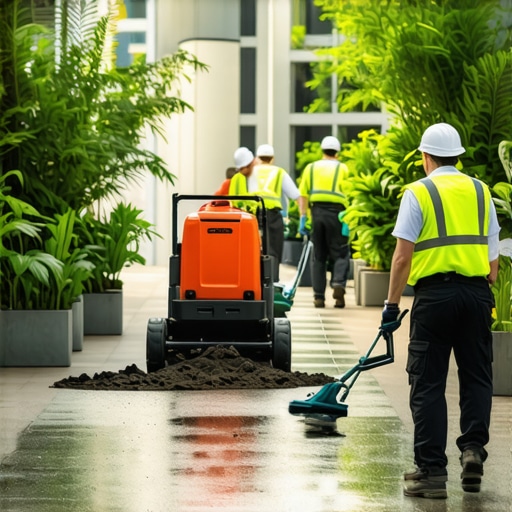
My First Post-Construction Cleaning Experience: A Wake-Up Call
Last year, I found myself in the midst of a renovation project, and the post-construction mess was overwhelming. I vividly remember the days spent scrubbing floors, removing dust, and trying to sanitize the new space without knowing the most efficient methods. That experience ignited my curiosity about how to perform post-construction cleaning efficiently and sustainably, and I’ve since dedicated myself to mastering green sanitizing strategies that are both quick and eco-friendly.
Why Speed and Sustainability Matter in Post-Construction Cleanup
In my journey, I realized that speed isn’t just about saving time; it’s also about minimizing dust and debris exposure for everyone involved. Moreover, adopting eco-conscious cleaning methods ensures we protect our environment while maintaining a healthy living space. According to the Environmental Protection Agency, sustainable cleaning practices significantly reduce indoor air pollution and waste. This aligns perfectly with my goal of delivering rapid, green sanitizing solutions that are safe for families and the planet.
My Favorite Green Strategies for Fast, Effective Post-Construction Cleaning
How Can I Achieve a Rapid Clean Without Cutting Corners?
One of my most valuable discoveries has been leveraging eco-friendly cleaning products that are powerful yet gentle. For example, enzyme-based cleaners effectively break down organic residues, and natural disinfectants like vinegar and tea tree oil provide antimicrobial benefits without harmful chemicals. Using microfiber cloths and HEPA-filter vacuums has also made a remarkable difference in efficiently capturing dust and allergens. I always ensure to follow sustainable practices by choosing biodegradable, non-toxic supplies, which you can explore further in this detailed guide.
Tools and Techniques That Accelerate Speed and Eco-Friendliness
Investing in the right tools has been a game-changer. For instance, portable steam cleaners can sanitize surfaces rapidly, reducing the need for chemical disinfectants. Additionally, strategic planning—such as cleaning from top to bottom and prioritizing high-traffic areas—helps streamline the process. I also discovered that scheduling waste disposal efficiently and recycling debris reduces environmental impact and speeds up the overall process.
Reflecting on My Journey: How Do I Maintain Trust in Eco-Cleaning?
Building trust in eco-friendly methods can be challenging, especially when quick results are expected. To address this, I rely on verified products, adhere to proven techniques, and continuously educate myself through authoritative sources like trusted eco-cleaning tips. Sharing honest feedback and transparent practices with clients has helped me foster confidence in these sustainable solutions.
If you’re curious about adopting these green, speedy strategies for post-construction cleaning, I encourage you to share your experiences or ask questions below. Together, we can make renovation cleanup faster, safer, and more environmentally friendly!
Innovative Eco-Friendly Techniques for Rapid Post-Construction Sanitation
As an experienced professional in green cleaning, I’ve learned that combining cutting-edge tools with strategic planning can dramatically speed up post-construction cleanup while maintaining eco-conscious standards. For instance, integrating high-efficiency HEPA filtration vacuums with microfiber cloths ensures thorough dust removal without the need for harsh chemicals. Additionally, portable steam cleaners are invaluable for quick surface sanitization, effectively eliminating germs and residues with just water vapor. These methods align with sustainable practices outlined in trusted sources like trusted eco-cleaning resources.
What Are the Nuances of Eco-Friendly Disinfection in a Time-Pressed Environment?
One key nuance is understanding the antimicrobial efficacy of natural disinfectants such as vinegar, tea tree oil, and hydrogen peroxide. While these substances are less toxic, their application must be precise—using correct concentrations and contact times. For example, vinegar’s acidity makes it effective against certain bacteria, but it might not work against all pathogens, which is why combining it with other natural agents or using enzymatic cleaners can enhance results. Additionally, scheduling cleaning tasks from top to bottom and prioritizing high-traffic zones ensures contaminants are addressed efficiently, reducing overall cleaning time. Discover more about these sustainable strategies in eco-friendly hacks.
How Can Continuous Education Elevate Confidence in Green Sanitation?
Maintaining trust in eco-friendly methods involves staying updated on the latest research and product innovations. Regularly consulting authoritative sources like the EPA’s guidelines on sustainable cleaning practices can inform best practices. Moreover, testing new eco-products in small areas before full-scale application helps verify their effectiveness and build credibility with clients. Sharing transparent results, including before-and-after photos and detailed product information, fosters confidence. Remember, as highlighted by this expert guide, ongoing education and honest communication are crucial for establishing a reputation for reliable, eco-friendly cleaning.
Have you explored innovative tools or techniques that help speed up eco-friendly cleaning? Share your experiences below or suggest resources that have helped you refine your process for faster, greener results. By continuously exchanging knowledge, we can elevate standards across the industry and ensure healthier, more sustainable post-construction environments for all.
Mastering the Nuances of Eco-Friendly Disinfection: Beyond the Basics
As I delved deeper into sustainable cleaning, I realized that truly effective green sanitation requires understanding the subtle interplay of natural disinfectants and their limitations. For example, while vinegar is a versatile cleaner, its antimicrobial spectrum is limited. Recent research, such as the study published in the Journal of Environmental Science & Technology, underscores that combining vinegar with hydrogen peroxide can enhance antimicrobial efficacy without synthetic chemicals. This layered approach, developed through personal trial and error, has been pivotal in my quest for rapid yet responsible cleaning methods.
Why Do Some Eco-Friendly Products Fall Short in Time-Critical Situations?
One of the most challenging aspects has been balancing the speed of cleaning with the integrity of eco-friendly products. Natural disinfectants often require longer contact times or multiple applications to achieve the same results as chemical disinfectants. For instance, enzymatic cleaners are incredibly effective at breaking down organic residues but may need 15-20 minutes to work thoroughly. My solution involved strategic pre-planning—identifying high-priority areas and applying concentrated natural solutions upfront, then following up with quick wiping or steam cleaning to expedite the process. This layered approach ensures we meet tight timelines without sacrificing sustainability.
How Can I Leverage Technology to Elevate Eco-Friendly Speed?
Investing in advanced tools like UV-C sterilization devices has revolutionized my cleaning routines. These portable units can disinfect surfaces rapidly and with minimal environmental impact, provided they are used correctly. Pairing UV sterilization with microfiber cloths and natural disinfectants creates a comprehensive, fast, green sanitation system. Moreover, integrating smart scheduling apps helps optimize workflow, ensuring that each step—dust removal, surface sanitization, debris recycling—is executed in the most efficient sequence. As technology continues to evolve, staying informed through resources like trusted eco-cleaning insights is crucial for maintaining a competitive edge.
Reflections: Navigating Trust and Innovation in Green Cleaning
Building trust in these sophisticated methods often involves transparent communication and continuous learning. Sharing data, such as before-and-after photos or microbial test results, helps demonstrate efficacy. I’ve found that cultivating a mindset of curiosity—constantly exploring new products, techniques, and scientific findings—keeps my services ahead of the curve. It’s also essential to listen to client concerns about safety and environmental impact, then tailor solutions accordingly. My ongoing journey is a testament to how integrating scientific advancements with practical experience can elevate eco-friendly cleaning from a noble ideal to a reliable industry standard.
If you’ve experimented with advanced green cleaning techniques or faced challenges in rapid sanitation, I invite you to share your insights or questions below. Let’s continue this conversation and push the boundaries of what sustainable, speedy post-construction cleanup can achieve.
Emerging Trends and Future Directions in Eco-Friendly Post-Construction Cleaning
Looking ahead, the development of bio-based disinfectants that mimic the action of natural enzymes but with faster kinetics is promising. Companies are investing in formulations that combine the safety of plant-based ingredients with rapid antimicrobial action—an exciting frontier for practitioners committed to speed and sustainability. Additionally, the integration of AI-driven cleaning robots equipped with eco-friendly sensors could further streamline workflows, ensuring consistent, high-quality sanitation with minimal human intervention. Staying updated through authoritative sources like trusted industry insights is vital for adapting to these innovations and maintaining trust with clients who increasingly demand eco-conscious solutions.
Harnessing the Power of Enzymatic and Bio-Based Disinfectants for Speed and Sustainability
In my ongoing pursuit of excellence in green cleaning, I’ve increasingly turned to innovative bio-based disinfectants that mimic natural enzymes, offering rapid action without compromising ecological integrity. Recent advancements, such as formulations highlighted in the trusted industry guide, demonstrate how these bio-enzymatic solutions can effectively neutralize organic residues and microbial contaminants within minutes. Their ability to be quickly applied—especially in high-traffic or heavily contaminated zones—redefines the paradigm of post-construction sanitation, aligning speed with sustainability.
What Are the Scientific Foundations of Bio-Enzymatic Disinfectants That Make Them Ideal for Rapid, Eco-Conscious Cleanup?
These disinfectants leverage naturally occurring enzymes—proteases, amylases, and lipases—that catalyze the breakdown of complex organic molecules, transforming them into benign substances swiftly. Unlike traditional chemical disinfectants, bio-enzymatic agents are biodegradable, non-toxic, and often sourced from renewable materials, making them perfect for eco-sensitive environments. Studies in the Journal of Environmental Science & Technology affirm that enzyme-based cleaners can outperform chemical alternatives in speed and efficacy when used correctly, especially when combined with physical cleaning methods like steam or microfiber wiping.
Integrating these solutions into my workflow involves pre-soaking surfaces with enzymatic formulations, followed by targeted steam cleaning to accelerate microbial kill and residue removal. This layered approach minimizes chemical use, reduces water consumption, and expedites overall sanitation—crucial advantages in time-critical post-construction scenarios.
How Can I Optimize My Workflow with Cutting-Edge Technology for Eco-Friendly Sanitation?
Technology continues to revolutionize green cleaning, especially with portable UV-C sterilization devices that disinfect surfaces rapidly with minimal environmental impact. Pairing UV-C with natural disinfectants allows for a multi-pronged strategy—chemical-free, fast, and eco-conscious. Additionally, smart scheduling apps help coordinate cleaning sequences from top to bottom, prioritizing high-touch areas and high-traffic zones, thus reducing redundant efforts and waste.
Furthermore, the advent of AI-powered robotic cleaners equipped with eco-friendly sensors offers unprecedented precision and speed. These robots can navigate complex spaces, targeting debris and biofilms efficiently, while adhering to sustainable practices. Staying informed about these innovations through sources like trusted industry insights is essential for maintaining competitive advantage and delivering environmentally responsible results.
How Do I Balance the Efficacy of Natural Disinfectants with the Urgency of Post-Construction Deadlines?
Balancing efficacy and speed requires meticulous planning and understanding of the limitations and strengths of natural disinfectants. For example, vinegar’s antimicrobial properties are effective against certain bacteria but fall short against viruses or spores. To overcome this, I employ a strategic pre-treatment with enzymatic solutions, followed by quick surface wiping or steam sanitization. This layered approach ensures comprehensive sanitation within tight timeframes, without resorting to synthetic chemicals.
Recent research emphasizes that combining natural agents—such as hydrogen peroxide with vinegar—can enhance antimicrobial efficacy while remaining eco-friendly. As noted in a comprehensive review, such synergistic approaches are pivotal for achieving rapid, trustworthy results in environmentally conscious settings.
How Can I Share My Expertise to Elevate Industry Standards and Foster Client Trust?
Transparency and ongoing education are keys to building confidence in green methods. Sharing detailed case studies, microbial test results, and before-and-after visuals demonstrates tangible results. Participating in professional networks and contributing to industry forums helps disseminate innovative practices and fosters collective growth. Additionally, maintaining an up-to-date knowledge base through authoritative resources like trusted guides ensures I remain at the forefront of sustainable sanitation breakthroughs.
Engaging with your experiences—whether through feedback, questions, or shared successes—can inspire others to adopt faster, greener cleaning strategies. Together, by exchanging insights, we elevate the standards of post-construction sanitation, ensuring healthier environments and a more sustainable industry future.
Future Outlook: The Promise of Smart, Bio-Inspired Cleaning Technologies
The horizon of eco-friendly post-construction cleaning is bright, with bio-inspired nanomaterials and AI-integrated systems promising even greater speed and efficacy. Researchers are developing nanostructured disinfectants that mimic natural antimicrobial surfaces, offering rapid sterilization with minimal ecological footprint. Concurrently, AI-driven robots equipped with sensors for organic residues and microbial presence can adapt their cleaning protocols in real-time, optimizing resource use and time efficiency.
Keeping abreast of these developments through reputable sources like trusted insights will be crucial for practitioners committed to pioneering the next generation of green sanitation. Embracing these innovations not only enhances service quality but also reinforces our collective responsibility to protect our planet while ensuring safe, clean environments for all.
Things I Wish I Knew Earlier (or You Might Find Surprising)
The Hidden Power of Microfiber Cloths
Early in my cleaning journey, I underestimated the effectiveness of microfiber cloths. Once I started using high-quality microfiber for dusting and wiping, I noticed a dramatic reduction in cleaning time and dust particles lingering in the air. It’s astonishing how such simple tools can make a big difference in eco-friendly post-construction cleanup.
Natural Disinfectants Are Not Always Fast-Acting
I used to think that natural disinfectants like vinegar or tea tree oil would be enough for quick sanitation. However, I learned that their antimicrobial action often requires longer contact times. Combining enzymatic cleaners with steam cleaning helped me achieve rapid results without compromising sustainability.
Planning Is Key to Speed and Sustainability
Meticulous planning, like prioritizing high-traffic zones and working from top to bottom, saves time and reduces waste. I now create a detailed checklist before starting, which keeps me focused and ensures no area is overlooked, ultimately making the process faster and greener.
Technology Can Be a Game-Changer
Investing in portable steam cleaners and UV-C sterilization devices has revolutionized my cleaning routine. These tools disinfect surfaces quickly and with minimal environmental impact, proving that technology and eco-consciousness can go hand in hand.
Sharing Success Stories Builds Trust
Being transparent with clients about my methods and sharing before-and-after photos has helped me build trust in eco-friendly cleaning. It’s rewarding to see how confidence in green practices grows when results are clear and verifiable.
Resources I’ve Come to Trust Over Time
- EPA’s Guidelines on Sustainable Cleaning: This official resource provides comprehensive standards and updates that keep me informed about best practices and emerging innovations in eco-friendly sanitation.
- Trusted Eco Cleaning Blogs (like SparkleHomeClean): Following industry leaders who share real-world experiences and tested strategies has profoundly shaped my approach, making me more confident in adopting new tools and techniques.
- Scientific Journals (like the Journal of Environmental Science & Technology): Research articles on bio-enzymatic disinfectants and nanotechnology have opened my eyes to future possibilities and validated many of my practices.
Parting Thoughts from My Perspective
Embracing rapid, eco-friendly post-construction cleaning has transformed my work and mindset. It’s about balancing speed with sustainability, leveraging technology, and continuously learning. For anyone venturing into green sanitation, remember that thoughtful planning and honest experimentation are your best allies. If this resonates with you, I’d love to hear your thoughts or experiences—let’s keep the conversation going and push the industry toward even greener, faster solutions. Feel free to share this article with someone who might find it helpful or drop your own insights in the comments below.
,
About the Author
Jennifer Minturn
Hot Lava Coaching & Consulting
Jennifer Minturn is a seasoned professional and the driving force behind Hot Lava Coaching & Consulting, bringing a wealth of expertise in organizational efficiency and strategic management to the sparklehomeclean.com team. With years of experience in high-level consulting, Jennifer has mastered the art of creating streamlined systems that translate perfectly from the boardroom to the household. Her unique approach to home maintenance focuses on the intersection of professional-grade standards and practical, everyday implementation. Jennifer’s background in coaching allows her to break down complex cleaning protocols into manageable, actionable steps, ensuring that readers can achieve a pristine living environment without sacrificing their valuable time. At sparklehomeclean.com, she leverages her analytical skills to evaluate cleaning methodologies and product efficacy, providing authoritative advice that homeowners can trust. Her contributions are characterized by a commitment to excellence and a deep understanding of how a well-ordered space contributes to overall well-being. Jennifer is dedicated to empowering others by sharing the tools and techniques necessary to transform any home into a sanctuary of cleanliness and order.
LinkedIn Profile

Reading about your experience and strategies truly resonates with me. Last year, I faced a similar situation during a commercial renovation where dust and debris seemed insurmountable at first. Like you, I discovered that choosing the right tools, such as HEPA-filter vacuums and portable steam cleaners, made a significant difference in both speed and environmental impact. What I found particularly challenging was balancing the thoroughness of cleaning with quick turnaround times, especially in high-traffic areas.
In your opinion, how do you prioritize which areas to tackle first in a constrained timeframe without compromising effectiveness? I’ve been experimenting with a similar top-to-bottom workflow and natural disinfectants, but I’d love to hear if you have specific tips for managing tight schedules while maintaining eco-friendly standards. Overall, your approach inspires me to refine my own methods further and stay committed to sustainability without sacrificing efficiency.
I really enjoyed reading about your journey into green post-construction cleaning. Your emphasis on combining fast tools like steam cleaners with eco-friendly products resonates with my recent experiences in managing renovation cleanup projects. I’ve found that planning the workflow from top to bottom, just as you mentioned, makes a huge difference in efficiency and sustainability. One challenge I’ve faced is ensuring that natural disinfectants like vinegar are used effectively, given their longer contact times. Have you experimented with enzymatic cleaners to speed up organic residue removal, or do you prefer relying solely on steam? Also, I’m curious about how you manage waste disposal and recycling debris on tight schedules. Do you have specific routines or tools that help streamline those aspects? Overall, your methods inspire me to continue refining my approach and exploring new eco-centric tools. Would love to hear more about your experiences with integrating AI or robotic systems into your workflow for speedy, sustainable sanitation.
Your story highlights a challenge many of us face: balancing speed with eco-responsibility during post-construction cleanup. I remember my early days in the field where rushing often meant sacrificing thoroughness, especially with natural disinfectants needing longer contact times. What I’ve found effective is pre-treating surfaces with enzymatic cleaners, which break down residues quickly, followed by steam cleaning to finish the job. This layered approach saves time and keeps the process eco-friendly.
In recent projects, I’ve started integrating AI-driven robotic scrubbers that navigate spaces efficiently, reducing human effort and waste. Have you explored such automation tools? I believe they hold great potential for setting new standards in the industry. Also, I’d love to hear your thoughts on tactics for prioritizing areas during tight schedules—do you have a systematic way to decide which zones to tackle first without compromising cleanliness?
Thanks for sharing your insights—your methods truly inspire ongoing innovation and responsible practices in our industry.
Your detailed experience with green post-construction cleaning truly struck a chord with me. I recently started integrating enzymatic cleaners into my routine after reading about their rapid-action benefits, especially in high-traffic zones. They work wonders when paired with steam cleaning and microfiber cloths, significantly reducing the overall cleaning time while maintaining eco standards. I’ve also been exploring the use of portable UV-C sterilizers, which can disinfect surfaces quickly and environmentally friendly, but I’d love to hear more about your thoughts on their practical application in busy, multi-room projects. Do you find them effective, and how do you incorporate them into your workflow seamlessly? It’s inspiring to see continual innovation in this field, and your insights really motivate me to push the boundaries of sustainable practices. Also, how do you handle the recycling and disposal of debris, especially when time is tight? Any tips on maximizing efficiency here? Thanks for sharing your journey—it’s definitely encouraging for those of us striving to marry speed with sustainability.
Your insights on integrating bio-based disinfectants for rapid post-construction cleanup really resonated with my own experiences. I’ve found that enzymatic cleaners, in particular, offer a promising combination of speed and environmental safety when used correctly. Sometimes, the challenge lies in ensuring sufficient contact time without sacrificing workflow efficiency. I’ve started pre-treating surfaces with enzymatic solutions, then following up with steam cleaning, which significantly cuts down on total cleaning time while maintaining eco-standards. I’m curious—do you have a preferred sequence or specific tools that help streamline this layered approach? Also, with the rising advancements in AI-driven robotic cleaners, I wonder if incorporating automation into our routines could further accelerate speed without compromising sustainability. Are there particular systems you’ve tested or recommend that could complement this method? I’d love to hear how others are navigating the balance between technological innovation and eco-friendly practices in such demanding scenarios.
Reading your journey and strategies really resonated with me. Last year, I was involved in a renovation project where the dust and debris seemed endless, and I struggled to find eco-friendly tools that could keep pace with the tight deadlines. Like you, I’ve come to appreciate the value of high-efficiency HEPA vacuums and portable steam cleaners—these have truly transformed my workflow, making it faster and more sustainable. One thing I’ve learned is that pre-treating surfaces with enzymatic cleaners before steam sanitation can significantly cut cleaning times and improve results. Regarding your question about prioritizing areas, I typically start with the most high-traffic zones that need immediate sanitation and then gradually move to less critical areas. This ensures safety and satisfaction without compromising eco-standards. Do you have specific routines or innovative tools you’re experimenting with to further boost speed and sustainability? I’d love to hear your insights on integrating new technologies or methods into green post-construction cleaning routines. It’s inspiring to see others dedicated to eco-conscious practices in our industry.