My Journey into Eco-Friendly Post-Construction Cleaning
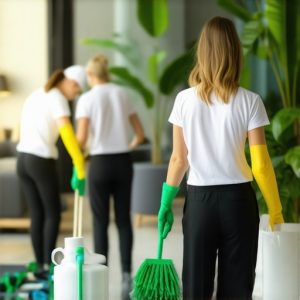
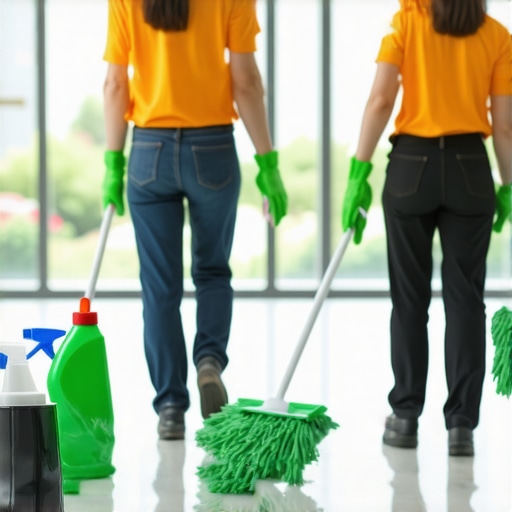
As someone who recently undertook a home renovation, I quickly realized that the aftermath calls for more than just a regular cleanup. The dust, debris, and chemicals left behind can be overwhelming, but I was committed to staying eco-conscious. My experience taught me that sustainable post-construction cleaning isn’t just possible—it’s essential for a healthier home and environment.
Why Eco-Friendly Cleaning Matters After Construction
Post-construction cleaning is crucial to ensure your space is safe and livable. However, traditional cleaning methods often involve harsh chemicals that can harm the environment and your health. That’s why I turned to eco-friendly solutions, which are effective and much safer. According to Sustainable Cleaning Methods, adopting green practices reduces chemical exposure and supports sustainability.
My Favorite Eco-Friendly Cleaning Hacks for Rapid Sanitation
What are the secret weapons for speedy, sustainable cleaning?
I found that using natural ingredients like vinegar, baking soda, and lemon juice works wonders. For instance, a vinegar solution easily cuts through dust and grime on surfaces, while baking soda deodorizes and lifts stubborn stains. I also invested in eco-friendly cleaning tools, like microfiber cloths and biodegradable scrub brushes, which make the process more efficient and eco-conscious.
To tackle the fine dust left from construction, I used HEPA-filter vacuums, which trap tiny particles and improve indoor air quality. Combining these tools with quick, targeted cleaning routines helped me achieve trustworthy results swiftly. For detailed strategies, I often refer to Eco-Conscious Post-Construction Sanitization Secrets.
How Do I Keep the Environment Safe During Cleanup?
I prioritize using biodegradable, non-toxic products that are safe for both my family and the planet. I also make sure to dispose of debris responsibly, recycling materials whenever possible. This approach not only speeds up the cleanup but also aligns with my commitment to green living. For further insights, check out Green House Cleaning Tips.
What’s the key to balancing speed and sustainability in post-construction cleaning?
The key is planning—organizing your cleaning tasks and choosing eco-friendly products that work efficiently. Also, don’t hesitate to seek professional advice or services that specialize in green cleaning. You’ll find that integrating sustainability into your cleanup routine makes the process more rewarding and trustworthy.
If you’ve had similar experiences or tips to share, I’d love to hear your story. Feel free to leave a comment below or explore more eco-friendly cleaning strategies on this contact page.
What Are the Latest Innovations in Eco-Friendly Post-Construction Cleaning?
As green cleaning continues to evolve, professionals are now turning to innovative solutions that combine sustainability with efficiency. One such breakthrough involves the use of enzyme-based cleaners that break down organic debris without harmful chemicals, resulting in faster cleaning cycles and healthier indoor environments. These products not only speed up the sanitation process but also align with eco-conscious standards, ensuring your space is both spotless and safe. According to experts at Eco-Friendly House Cleaning Hacks, adopting these advanced products significantly reduces chemical residues and environmental impact.
How Can Eco-Conscious Practices Be Integrated into High-Volume Post-Construction Cleanup?
Efficiency does not have to compromise sustainability. Implementing a comprehensive plan that prioritizes biodegradable waste disposal, water conservation, and the use of energy-efficient equipment is essential. For instance, leveraging rechargeable LED lighting and low-energy vacuums minimizes energy consumption during prolonged cleaning sessions. Moreover, adopting modular cleaning carts with reusable containers reduces plastic waste. These practices, supported by insights from Post-Construction Sanitizing Solutions, demonstrate that large-scale cleanups can be both fast and eco-friendly when approached thoughtfully.
What Are the Practical Benefits of Prioritizing Sustainability in Post-Construction Cleaning?
Beyond environmental considerations, sustainable cleaning practices offer tangible advantages such as improved indoor air quality, reduced exposure to toxic chemicals, and enhanced worker safety. These benefits contribute to faster occupancy of renovated spaces and higher satisfaction among clients who value green living. Additionally, incorporating eco-friendly methods often leads to cost savings in the long run, thanks to lower chemical expenses and waste disposal costs. For a detailed understanding, explore Eco-Friendly House Cleaning Guide.
How Can Experts Stay Ahead in the Rapidly Changing Field of Green Post-Construction Cleaning?
Staying current requires continuous education and adaptation to emerging technologies. Attending industry conferences, subscribing to reputable journals, and participating in specialized training courses help professionals refine their skills and knowledge. Moreover, networking with manufacturers of eco-friendly cleaning products ensures access to the latest innovations. For those seeking practical guidance, consulting trusted sources like Trusted Eco House Cleaning Hacks can provide valuable insights into implementing effective, eco-conscious strategies.
If you’re eager to deepen your understanding or share your experiences, I invite you to leave a comment below or explore more about sustainable cleaning practices on this contact page. Your insights can inspire others to adopt greener, faster, and more effective post-construction cleaning solutions.
Beyond the Basics: Embracing the Nuances of Eco-Friendly Post-Construction Cleaning
As I delved deeper into sustainable cleaning, I discovered that the true challenge lies in balancing efficiency with a genuine commitment to environmental responsibility. It’s one thing to use eco-friendly products, but quite another to integrate advanced practices that maximize results while minimizing ecological impact. This realization prompted me to explore innovative methods that go beyond traditional green cleaning, such as enzyme-based cleaners that facilitate rapid decomposition of organic debris without introducing harmful substances. According to Eco-Friendly House Cleaning Hacks, these cutting-edge solutions are transforming the landscape of post-construction sanitation, offering faster, safer, and more sustainable outcomes.
How Do I Tackle Hidden Challenges in Eco-Conscious Cleanup?
One of the subtle hurdles I encountered was dealing with residual dust embedded within porous materials like drywall and wood. Traditional vacuums often fall short in capturing the finest particles, which can linger and compromise indoor air quality. To address this, I invested in HEPA-filtered equipment and adopted meticulous cleaning routines that involve sweeping with microfiber cloths before vacuuming. This layered approach ensures thorough removal of contaminants, aligning with insights from Post-Construction Sanitizing Solutions. It’s a meticulous process that demands patience but pays off in creating a healthier environment.
What ethical considerations should guide my eco-friendly cleaning choices?
Reflecting on my personal journey, I realized that ethics play a significant role in sustainable cleaning. Choosing biodegradable, non-toxic products isn’t just about compliance; it’s about respecting the intricate balance of our ecosystems and safeguarding the health of my family and community. Responsible disposal of construction debris, recycling materials, and advocating for greener practices also embody a broader ethical commitment. Experts emphasize that these choices contribute to a ripple effect, encouraging industry-wide shifts toward more sustainable standards. For those interested in aligning their practices with ethical principles, I recommend exploring Eco-Conscious Post-Construction Sanitization Secrets.
Integrating Technology and Personal Dedication for Superior Results
Modern technology offers powerful tools that can elevate eco-friendly cleaning. From rechargeable LED lighting to energy-efficient machinery, these innovations reduce resource consumption without sacrificing effectiveness. Yet, technology alone isn’t enough. Personal dedication—meticulous planning, ongoing education, and a genuine desire to make a difference—are what truly differentiate a good cleaner from a great one. Attending industry workshops, reading the latest research, and engaging with like-minded professionals keep me inspired and informed. It’s a continuous journey of learning and adapting that keeps my practices at the forefront of sustainable innovation. For those eager to stay ahead, I recommend exploring Trusted Eco House Cleaning Hacks for cutting-edge insights.
Inviting Your Personal Experiences and Insights
Every renovation project presents unique challenges and opportunities to refine our eco-friendly practices. I’d love to hear how you navigate the complexities of sustainable post-construction cleaning. Have you discovered particular products or routines that work exceptionally well? Do you face specific hurdles that testing new methods has helped you overcome? Sharing stories not only enriches our community but also fosters collective growth toward greener, more responsible living. Feel free to leave a comment or reach out through this contact page. Together, we can build a future where cleanliness and sustainability go hand in hand.
Balancing Technological Innovation with Ethical Responsibility in Green Cleaning
One of the most compelling evolutions in eco-friendly post-construction cleaning is the integration of cutting-edge technology with a steadfast ethical commitment. Modern enzymatic cleaners, for example, exemplify this synergy by breaking down organic debris rapidly without introducing harmful residues, aligning with the standards outlined by Eco-Friendly House Cleaning Hacks. These products demonstrate how scientific innovation can serve sustainability goals, reducing chemical footprints while enhancing cleaning efficacy.
Deep Dive into Low-Impact Equipment for Large-Scale Cleanups
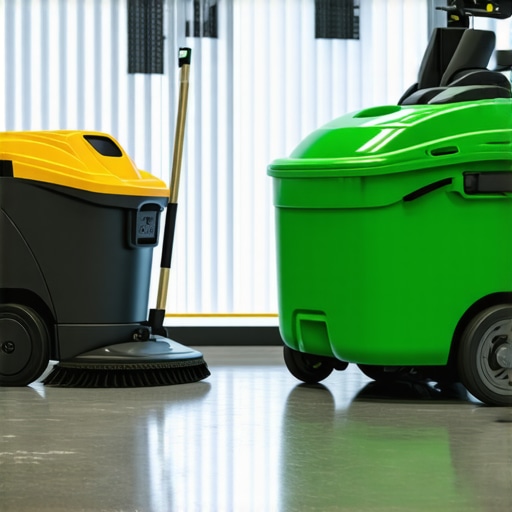
When managing extensive post-construction projects, the choice of equipment becomes paramount. Rechargeable, energy-efficient vacuums with HEPA filtration are not only effective at capturing ultrafine particles but also significantly cut down on energy consumption. Modular cleaning carts featuring reusable containers epitomize waste reduction, fostering a circular approach to resource management. According to Post-Construction Sanitizing Solutions, such practices are instrumental in achieving a sustainable yet rapid cleanup process, especially under tight deadlines.
Ethical Dimensions of Eco-Conscious Decision Making
Beyond the technical aspects, ethical considerations shape the foundation of sustainable cleaning practices. Opting for biodegradable, non-toxic products respects the delicate balance of local ecosystems and prioritizes health safety for inhabitants. Responsible waste disposal and recycling are not mere procedural steps but reflections of a broader ethical stance that advocates for planetary stewardship. Engaging with industry leaders and advocating for transparent product sourcing fosters a culture of integrity and accountability. For those interested in aligning their cleaning routines with ethical principles, exploring Eco-Conscious Post-Construction Sanitization Secrets provides valuable insights.
Harnessing Data and Analytics to Optimize Sustainability Outcomes
Emerging trends emphasize the importance of data-driven decision-making. By leveraging analytics, professionals can monitor resource use, waste generation, and efficiency metrics to refine their practices continually. For example, tracking the performance of various eco-friendly products across multiple projects can reveal insights into their real-world effectiveness and environmental impact. Implementing such systems aligns with the growing emphasis on accountability within sustainable practices and ensures that eco-friendly initiatives deliver measurable results. For detailed strategies, the resource at Effective House Cleaning Sanitizing offers practical guidance.
Fostering Community and Industry-Wide Adoption of Green Standards
Driving widespread change requires cultivating a community of practice that values and prioritizes sustainability. Sharing success stories, participating in industry forums, and collaborating with eco-conscious suppliers can accelerate the adoption of greener standards. Training programs must evolve to include modules on ethical sourcing, waste minimization, and innovative green technologies. As noted by experts in Trusted Eco House Cleaning Hacks, fostering a collective commitment enhances the impact of individual efforts and propels the industry toward a more sustainable future.
Engaging Personal Reflection and Professional Growth
My journey into mastering sustainable cleaning has been one of continuous learning and ethical reflection. I recognize that true expertise stems from a dedication to evolving practices that respect both the environment and the health of those who inhabit our spaces. By staying informed about technological advances, advocating for ethical product sourcing, and engaging with industry peers, I aim to contribute meaningfully to this vital movement. I invite you to share your experiences or ask questions about specialized methods—your insights can help shape a more sustainable future. Feel free to connect through this contact page, and let’s continue to grow together in this endeavor.
Things I Wish I Knew Earlier (or You Might Find Surprising)
1. The Hidden Power of Natural Ingredients
Early in my journey, I underestimated how effective simple ingredients like vinegar and baking soda could be. They aren’t just household staples; they can tackle stubborn construction grime without harmful chemicals, making your cleanup safer and more sustainable.
2. The Importance of Proper Disposal
I learned that responsible waste disposal isn’t just ethical; it’s crucial for maintaining eco-friendly standards. Recycling debris and avoiding landfill waste significantly reduces environmental impact, something I wish I prioritized from the start.
3. Investing in Good Equipment Saves Time and Resources
Using high-quality, eco-friendly tools like HEPA-filter vacuums and microfiber cloths made a huge difference. They might seem like an upfront cost, but they streamline the cleaning process and enhance effectiveness, especially in dealing with fine dust.
4. The Ethical Dimensions of Green Cleaning
I realized that choosing biodegradable, non-toxic products reflects a deeper respect for our planet. It’s about making mindful choices that protect both our health and the environment, fostering a sense of ethical responsibility in every step.
5. Staying Updated with Innovations
The field of eco-friendly cleaning is constantly evolving. I found that attending industry conferences and following reputable sources helps me stay informed about cutting-edge solutions like enzyme-based cleaners that speed up cleaning without harmful residues.
6. The Power of Community and Knowledge Sharing
Sharing experiences with others has been invaluable. Whether through online forums or local networks, exchanging tips accelerates our collective progress toward greener cleaning practices, making the journey more inspiring and effective.
Resources I’ve Come to Trust Over Time
- Sustainable Cleaning Methods: This resource deepened my understanding of eco-friendly techniques and helped me refine my routines, making cleaning both effective and safe.
- Eco-Friendly House Cleaning Hacks: A go-to guide for innovative tips that save time, reduce waste, and lower chemical exposure, I recommend it to anyone looking to upgrade their cleaning game.
- Post-Construction Sanitizing Solutions: This site offers practical advice on handling construction debris responsibly and efficiently, ensuring a healthier indoor environment.
Parting Thoughts from My Perspective
Reflecting on my experience with eco-friendly post-construction cleaning, I realize that the most valuable lesson is the power of mindful, responsible choices. Combining effective techniques with a genuine commitment to sustainability not only cleans your space faster but also nurtures our planet. If this resonates with you, I’d love to hear your thoughts or stories. Share it with someone who might find it helpful, and let’s continue to promote greener, safer cleaning practices together. Remember, every small step counts in creating a healthier environment for all.
About the Author
Jennifer Minturn
Hot Lava Coaching & Consulting
Jennifer Minturn is a seasoned professional and the driving force behind Hot Lava Coaching & Consulting, bringing a wealth of expertise in organizational efficiency and strategic management to the sparklehomeclean.com team. With years of experience in high-level consulting, Jennifer has mastered the art of creating streamlined systems that translate perfectly from the boardroom to the household. Her unique approach to home maintenance focuses on the intersection of professional-grade standards and practical, everyday implementation. Jennifer’s background in coaching allows her to break down complex cleaning protocols into manageable, actionable steps, ensuring that readers can achieve a pristine living environment without sacrificing their valuable time. At sparklehomeclean.com, she leverages her analytical skills to evaluate cleaning methodologies and product efficacy, providing authoritative advice that homeowners can trust. Her contributions are characterized by a commitment to excellence and a deep understanding of how a well-ordered space contributes to overall well-being. Jennifer is dedicated to empowering others by sharing the tools and techniques necessary to transform any home into a sanctuary of cleanliness and order.
LinkedIn Profile
![Read more about the article Move In Faster: 4 Rapid Post-Construction Cleanup Fixes [2026]](https://sparklehomeclean.com/wp-content/uploads/2026/02/Move-In-Faster-4-Rapid-Post-Construction-Cleanup-Fixes-2026-300x300.jpeg)