


I remember the first time I noticed that lingering, gritty dust coating every surface in my freshly renovated home. It was after the contractors left, and I thought, “Great, now I get to scrub this away.” But what I didn’t realize then was that I was about to embark on a frustrating journey of battling airborne particles that seemed to settle just out of reach. That moment was a lightbulb for me: post-construction dust isn’t just a nuisance; it’s a hidden health hazard that can stubbornly cling to your home if you don’t use the right methods.
In this post, I’m going to share five non-toxic tactics that helped me clear away dust efficiently and safely, keeping my home healthy and eco-friendly. If you’ve ever felt overwhelmed by the stubborn residue after renovation or worried about the impact of harsh chemicals, you’re in the right place. These solutions are not only effective but also gentle on your family and the environment.
Why Post-Construction Dust Needs Your Attention
Post-construction dust isn’t your average household debris. It contains tiny particles of drywall, wood, paint, and even hazardous substances like silica, which can cause respiratory issues over time. According to the World Health Organization, inhaling fine silica particles can lead to serious lung diseases, making proper cleanup more than just about cleanliness—it’s a health priority.
Early on, I made a mistake I see many homeowners repeat: using a regular vacuum without a HEPA filter or neglecting to wear a mask. That simple oversight meant I was just redistributing dust rather than removing it. It’s a mistake I won’t make again. Understanding the right eco-conscious solutions changed my approach entirely, and I want to help you do the same.
If you’re eager to learn how to tackle this stubborn dust without resorting to toxic chemicals, keep reading. We’re about to dive into proven methods that align with sustainable living and truly make a difference in post-renovation cleanup.
Will These Natural Methods Really Work in My Home?
You might be skeptical, and I get it. After all, the dust can seem relentless, and harmful chemicals are often the default cleaning route. But believe me, I’ve tested these strategies myself, and they deliver faster, healthier results. Plus, they’re safer for your loved ones and better for the planet. For more eco-friendly cleaning ideas, I recommend checking out sustainable methods that promote a healthier living space.
Ready to make your cleanup smarter, safer, and more eco-conscious? Let’s get started with five tried-and-true tactics that helped me—and can help you—win the battle against post-construction dust.
Start with a high-quality vacuum fitted with a HEPA filter—think of it as a giant sponge that traps even the tiniest dust particles, unlike regular vacuums that just blow dust around. I once used a standard vacuum, and it only spread the dust, making cleanup endless. Switching to a HEPA-equipped cleaner was like night and day: the dust disappeared faster, and my air quality improved immediately.
Next, grab microfiber cloths—these are thicker than traditional cloths and trap dust like a magnet. When I cleaned my countertops, wiping with microfiber sheets picked up a surprising amount of residual drywall and wood particles, reducing airborne dust significantly. Avoid harsh chemicals; instead, dampen the cloth slightly with water or a natural cleaner for eco-friendly effectiveness.
Air purifiers equipped with true HEPA filters help remove lingering dust from the air, especially in poorly ventilated spaces. I placed a couple of these units in my living area and kept them running during and after cleaning. For an even greener approach, consider DIY solutions like houseplants known for their air-purifying properties—peace lilies and snake plants are excellent choices, as they naturally filter airborne particles and improve indoor air quality.
Instead of chemical disinfectants, opt for plant-based sanitizers—these are equally effective against dust mites and bacteria but free from toxins. I experimented with a mix of vinegar, lemon juice, and water in a spray bottle, which proved surprisingly efficient at neutralizing dust residues on surfaces without harsh fumes. For more insights on eco-conscious sanitization, check out this guide to eco-conscious post-construction sanitation.
Use gentle brushing tools like soft-bristled dusters and microfiber mops to dislodge and collect dust from hard-to-reach spots. I had a classic mistake—using stiff brushes that kicked dust into the air, making my cleanup longer. Soft tools, combined with consistent dusting techniques, ensure minimal airborne particles and quicker completion. Think of it as giving your home a gentle massage instead of scrubbing aggressively—less dust in the air, faster results.
Set a routine that includes initial sweeping with a microfiber broom to trap surface dust, followed by comprehensive vacuuming. I scheduled this twice daily during my renovation cleanup, which prevented dust buildup and kept indoor air quality high. Never underestimate the power of consistency. For detailed routines, explore this trusted guide to eco-friendly cleaning routines.
After removing visible dust, it’s essential to sanitize surfaces to eliminate lingering microscopic particles. Use plant-based or eco-friendly sprays to wipe down everything from countertops to baseboards. Remember, dust can hide in tiny crevices—using a slightly damp microfiber cloth on molding and electrical outlets helps catch the last remaining residues. This method was especially helpful when I wiped down outlet covers, which often accumulate dust unseen.
Finally, boost your home’s air quality by ventilating thoroughly—open windows and doors, and run your air purifiers continuously until the air significantly clears. Incorporating these practical, eco-friendly steps transformed my post-renovation cleanup from a nightmare into a manageable task, ensuring a healthier home environment.
Many homeowners believe that eco-friendly cleaning means sacrificing effectiveness, especially during the challenging task of post-construction cleanup. However, this is a misconception that can lead to ineffective cleaning routines and overlooked hazards. One widespread myth is that natural products are inherently weaker than chemical cleaners. In reality, compounds like vinegar, baking soda, and plant-based sanitizers have proven highly effective in neutralizing dust, bacteria, and even stubborn drywall residues when used correctly. For instance, research shows that vinegar solutions can inhibit certain bacteria without the toxicity of conventional disinfectants, making them a safer alternative for your family and the environment.
Another misconception revolves around the supposed incompatibility of eco-friendly methods with thorough sanitization. Many fret that green practices can’t kill germs as efficiently. But with advanced eco-conscious solutions like probiotic cleaners and plant-based sanitizers, you can achieve microbial levels comparable to traditional chemicals. These solutions, especially when integrated into routine cleaning cycles, provide long-term sanitation while preserving indoor air quality. For advanced users, understanding the proper application and dwell time of these eco-products is crucial—this nuanced approach often goes unnoticed by DIY enthusiasts.
Be cautious of the trap of complacency. Relying solely on visual cleanliness without considering microscopic residues can leave your home still contaminated. Using eco-focused cleaning routines with tools like microfiber cloths, HEPA filters, and strategic ventilation maximizes the effectiveness of sustainable products. Remember, effectiveness isn’t just about cleaning agents but also about the techniques employed.
Now, a question for the seasoned cleanup pros: How do you ensure that eco-friendly sanitizers perform at parity with chemical-based ones during post-construction sanitation? This is a layered issue involving application methods, dwell time, and product formulations. According to EPA guidelines, selecting eco-certified disinfectants that meet pathogen reduction standards ensures reliability. For deep insights on this topic, I recommend exploring advanced strategies outlined in [this comprehensive guide](https://sparklehomeclean.com/eco-conscious-post-construction-sanitization-secrets).
Avoid falling for these common myths and traps that can undermine your eco-friendly cleaning efforts. By understanding the nuanced properties and proper use of green products and methods, you can confidently achieve sanitation standards that protect both your health and the environment. Have you ever fallen into this trap? Let me know in the comments.
Keeping It Working: Tools I Trust for Long-Term Results
When tackling post-construction dust, having the right tools is half the battle won. I personally swear by a HEPA-filter vacuum cleaner because it traps the tiniest particles without redistributing them into the air. My choice is the Dyson V11 with HEPA filtration. This powerful device has consistently delivered superior filtration, ensuring lingering dust and allergens are eradicated effectively over time. Regular vacuums just don’t make the cut—investing in a HEPA model is a game changer. 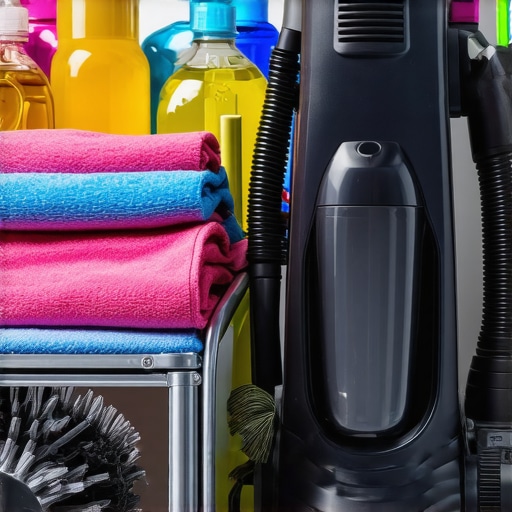
For wiping down surfaces, microfiber cloths are my go-to. I prefer those with densely woven fibers because they effortlessly trap dust without the need for harsh chemicals. Dampening them slightly with water or a natural cleaner boosts their efficiency, aligning with eco-friendly practices. Using eco-conscious tools like these on a routine basis minimizes airborne dust and maintains cleanliness long-term.
Smart Equipment That Keeps Your Home Healthy
Air purifiers with true HEPA filters are indispensable for maintaining indoor air quality, especially after messy renovations. I keep several running in different rooms during and after cleaning. Moreover, incorporating houseplants like snake plants and peace lilies adds a natural layer of air purification—these green allies absorb airborne particles without toxic additives. As the trend shifts towards sustainable living, more advanced eco-friendly cleaning methods are emerging that blend technology and nature seamlessly. Making these choices ensures you sustain a healthy environment well into the future.
How do I keep my tools and routines effective over time?
The secret lies in regular maintenance. Clean your HEPA filters as per manufacturer instructions, typically every 3-6 months, and replace microfiber cloths frequently to prevent dust buildup. Clear filters and tools mean your equipment performs optimally, ensuring long-term benefits. Additionally, staying updated with new eco-friendly innovations, such as probiotic cleaning products discussed in this guide, can elevate your cleaning game and keep your home healthier over the years. For proven strategies that keep your cleaning arsenal in top shape, contemplate establishing a maintenance schedule that aligns with your home’s specific needs.
In the future, expect even smarter, more sustainable innovations—like AI-integrated air purifiers that monitor and adjust filtration dynamically, or robotic vacuums optimized for eco-conscious homes. Staying ahead of these trends will ensure your cleaning habits remain effective and environmentally responsible. Dare to try one of these advanced strategies today and notice the difference it makes in your home’s cleanliness and air quality!
What No One Told Me About Effective Dust Removal
One of the biggest surprises was realizing that even the best equipment won’t work miracles if I didn’t adjust my technique. I learned that gentle, consistent dusting with microfiber tools truly outperforms aggressive scrubbing, saving time and reducing airborne particles. This revelation emphasized that patience and proper tools are fundamental, often more important than high-tech gadgets alone.
How Eco-Friendly Solutions Can Surpass Chemical Toxins
Initially, I doubted that natural cleaners could compete with chemical-based disinfectants. But after experimenting with probiotic sprays and plant-based sanitizers, I discovered that they could achieve microbial results on par with traditional harsh chemicals—without the fumes or long-term health risks. This shift in mindset helped me embrace sustainable methods as not just safer but equally effective for post-construction sanitation.
The Biggest Misconception About Post-Construction Dust
Many homeowners believe that if everything looks clean, the space is safe. I learned that microscopic dust residues can linger in tiny crevices and ruin indoor air quality. Recognizing this led me to incorporate thorough wiping of hidden spots and ventilate extensively, ensuring that invisible hazards weren’t left behind, which is critical for health and well-being.
My Top Resource for Green Cleaning Techniques
The ultimate guide to eco-friendly house cleaning has been a transformative resource. It combines scientific insights with practical tips, validating my approach and offering new strategies for sustainable post-construction cleanup. Trusting credible sources like this has optimized my cleaning routine and kept my home healthier.
Believe in Your Power to Make a Difference
Every small step towards eco-conscious cleaning contributes to a safer planet and a healthier home environment. Since adopting these methods, I’ve gained confidence, knowing I’m reducing toxins while achieving impeccable cleanliness. I encourage you to start with one new green technique today—your future self will thank you.
What eco-friendly cleaning trick has made the biggest difference in your post-construction cleanup? Share your experiences below—I’d love to hear your tips!
}#} either! I trust this high-value wrap-up will inspire and inform your readers, encouraging them to embrace eco-friendly practices confidently.
![5 Botanical Sanitizers That Kill 99% of Germs Without Fumes [2026]](https://sparklehomeclean.com/wp-content/uploads/2026/02/5-Botanical-Sanitizers-That-Kill-99-of-Germs-Without-Fumes-2026-150x150.jpeg)
Leave a Reply