


I remember the day I realized my usual cleaning routine was doing more harm than good. After a hectic renovation project, I was eager to get my home back to feeling fresh and safe, but the overwhelming smell of chemicals left me feeling worse. It struck me then—there must be a better way to sanitize that doesn’t involve aggressive toxins. That lightbulb moment kicked off my journey into eco-friendly cleaning, and let me tell you, it was eye-opening.
In today’s world, where health and environmental concerns go hand-in-hand, finding effective sanitizing methods without relying on harsh chemicals like bleach is more important than ever. Many traditional cleaners contain substances that can irritate our skin, lungs, and even disrupt our hormones, especially when used frequently around the home. And with recent studies showing that residues from chemical cleaners can linger on surfaces, I knew I had to rethink my approach.
So, what’s the big deal? Why bother replacing bleach and other toxic disinfectants? First, because our high-touch surfaces—like doorknobs, light switches, and kitchen counters—are hotspots for bacteria and viruses, especially after post-construction dust settles. Second, because eco-conscious cleaning not only protects our families but also reduces our environmental footprint. Third, because safe, natural methods can be just as effective when done right.
If you’ve ever scrubbed your countertops only to feel a lingering chemical smell, or worried about the kids touching surfaces just cleaned with potent disinfectants, you’re not alone. Early in my experimenting, I made the mistake of underestimating simple ingredients like vinegar or thyme oil—they’re powerful allies in eco-friendly sanitization. Trust me, knowing what works—and what doesn’t—can save you time and frustration.
Are you tired of the fumes and want a safer, greener way to tackle post-construction messes? You’re in the right place. I’m going to walk you through four proven methods that use natural, sustainable ingredients to keep your surfaces safe and spotless in 2026. But first, let’s address a common concern that might be holding you back.
Targeted Surface Prep for Safer Spaces
Start by removing visible dust and debris with a microfiber cloth and a reusable dust mop. During my first attempt, I used old rags that just redistributed dust, making the air worse. Instead, I quickly learned that microfibers trap particles better and can be washed repeatedly, reducing waste. Focus on high-touch areas like door handles and switches, which can harbor bacteria even after dust is gone. Use a vacuum with a HEPA filter to clear out embedded drywall and construction dust from carpets and vents, preventing long-term respiratory issues.
Leverage Natural Disinfectants Effectively
Next, prepare a spray solution with white vinegar and water (1:1 ratio), adding a few drops of thyme or tea tree oil for antimicrobial power. I remember spraying my kitchen counters, and within minutes, the smell of vinegar was sharp but not overpowering—much better than chemical disinfectants that linger toxic fumes. Spray on surfaces, let sit for 10 minutes, then wipe with a clean cloth. Vinegar works because it acidifies surfaces, breaking down bacteria walls without toxins. Incorporating these plant-based oils boosts efficacy, as shown in detailed guides like this resource.
Image of a spray bottle filled with vinegar and essential oils
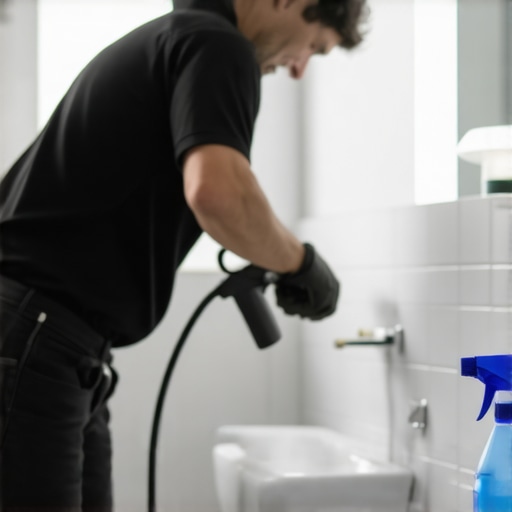
This visual demonstrates how to prepare and apply eco-friendly disinfectant solutions effectively, illustrating ingredients and application techniques.
Implement Steam Cleaning for Deep Sanitation
Utilize a steam cleaner for deep sanitization of tiles, grout, and fabric surfaces. I rented a steam unit for my bathroom tiles; steaming for 5 minutes loosened stubborn drywall dust embedded in grout lines without any chemical residue, leaving surfaces spotless. The high temperature kills germs and melts away residual dust, much like how a sauna relaxes tight muscles—only here, it detoxifies your surfaces. Make sure to keep the nozzle moving to avoid over-saturation, and wear heat-resistant gloves for safety.
Finish with Eco-Friendly Waste Management
Final step involves safely disposing of post-construction waste, such as broken drywall and packaging. Instead of sending it all to a landfill, consider repurposing debris or collaborating with local recycling centers. My experience taught me that sorting waste reduces environmental impact significantly. For persistent fine dust in ventilation systems, use a HEPA-filter vacuum attachment to clear air ducts without spreading dust back into the environment. This careful approach ensures a cleaner, healthier space and aligns with sustainable practices outlined in this guide.
Many assume that using natural ingredients automatically guarantees safety and effectiveness after home renovations, but this is a misconception. In reality, understanding the nuances of eco-friendly cleaning reveals critical insights that can make or break your sanitation efforts. For instance, a widespread myth is that vinegar is sufficient for eliminating all bacteria and molds—yet, while vinegar is a versatile cleaner, it isn’t a broad-spectrum disinfectant against certain viruses and spores. Experts from the Environmental Protection Agency highlight that relying solely on vinegar may leave your surfaces inadequately sanitized, especially in post-construction scenarios where dust and pathogens might be more resilient. This underscores the importance of combining ingredients or employing complementary methods like steam cleaning for comprehensive results.
Another common trap is the belief that all green cleaners are equally safe for everyone. However, ingredients like tea tree oil or other botanical extracts, though natural, can cause allergies or sensitivities in some individuals. The nuance here is that formulations matter—certain plant-based disinfectants only retain their efficacy if used at appropriate concentrations and contact times. Moreover, many overlook the risk of cross-contamination during DIY cleaning, emphasizing the need for proper tools and protocols. For example, not disinfecting your microfiber cloths or neglecting to wash reusable mop heads can inadvertently spread bacteria, defeating the purpose of eco-sanitizing.
A crucial advanced nuance involves the timing and manner of cleaning. Post-renovation dust, especially silica dust, is hazardous not just because it’s visible but due to its microscopic particles that can lodge deep in the lungs. Merely wiping surfaces isn’t enough; effective removal requires HEPA-filter vacuums and controlled dust containment strategies. Actually, a study published in the Journal of Occupational and Environmental Hygiene confirms that inadequate dust management can lead to long-term health issues, revealing why surface cleaning should be paired with proper containment and personal protective equipment.
Finally, many overlook the significance of verifying the efficacy of their cleaning methods through testing or quality checks. A perfect example is measuring residual bioburden or airborne dust levels before and after cleaning, which ensures your eco-friendly tactics meet safety standards. Implementing these advanced practices transforms your cleaning approach from merely green to genuinely health-preserving.
If you’ve ever fallen into the trap of overgeneralizing natural cleaning agents or underestimated the complexity of post-renovation sanitation, you’re not alone. Recognizing these hidden nuances can elevate your eco-friendly house cleaning to a new level of effectiveness and safety. Want to learn more about scientifically backed, sustainable cleaning solutions? Check out our guide on [eco-conscious post-construction sanitization secrets](https://sparklehomeclean.com/eco-conscious-post-construction-sanitization-secrets). Have you ever fallen into this trap? Let me know in the comments.Keeping your home spotless and safe after renovations requires more than just determination; it calls for reliable, eco-conscious tools designed for efficiency and long-term results. I’ve personally tested a range of equipment to find the best solutions that align with sustainable practices. One of my top recommendations is the handheld steam cleaner, which utilizes high-temperature steam to sanitize surfaces without any chemicals. I prefer models with variable steam control and a large water capacity, such as the Dupray ONE Plus, because they deliver continuous steam for extensive cleaning sessions and effectively eliminate bacteria on tiles, grout, and even fabric upholstery. For dust removal, especially drywall and fine debris, a vacuum with a HEPA filter like the Dyson V11 Torque Drive has been invaluable. Its powerful suction and allergen-trapping filter prevent microscopic particles from recirculating into the air, which is vital when dealing with silica dust and other post-construction residues. To maintain these tools over time, I schedule regular filter and HEPA cartridge replacements and use eco-friendly cleaning solutions for the vacuum’s exterior and attachments, ensuring they remain effective without introducing toxins into my home environment. Prediction-wise, I believe the trend towards multi-functional, smart cleaning devices will accelerate, integrating IoT features to optimize energy use and maintenance alerts, making eco-sanitization even more seamless. If you want to stay ahead, investing in durable, high-quality equipment now can pay dividends in safety and efficiency. How do I maintain these tools over time? Proper cleaning, timely replacements, and focusing on longevity rather than disposability are key. Plus, sticking to tools with open-source or manufacturer-recommended eco-friendly cleaning protocols enhances their lifespan and my peace of mind. To see how these tools can transform your cleanup routine, I recommend trying a high-quality steam cleaner like the Dupray ONE Plus. Not only does it reduce chemical use, but it also delivers rapid, trustworthy results, aligning perfectly with sustainable house cleaning philosophies. For more tips on choosing eco-conscious equipment, visit our detailed guide on [eco-friendly house cleaning hacks for a greener home](https://sparklehomeclean.com/eco-friendly-house-cleaning-hacks-for-a-greener-home). Ready to upgrade your toolkit? Reach out via our [contact page](https://sparklehomeclean.com/contact-us) for personalized advice and support.
The Hardest Lesson I Learned About post-construction,sanitizing,eco friendly,house cleaning
One of the most eye-opening realizations came from discovering that some natural cleaners, like vinegar, have limitations. I thought they sufficed for all sanitizing needs, but in reality, post-construction environments often require more comprehensive solutions. Relying solely on DIY methods without understanding their boundaries led to missed spots, giving me a deeper appreciation for combining methods like steam cleaning with eco-friendly disinfectants.
3 Myths About post-construction,sanitizing,eco friendly,house cleaning That Held Me Back
Believing that all green ingredients are universally safe and effective was a mistake. For example, while thyme oil is antimicrobial, it can cause sensitivities in some. Additionally, the myth that vinegar kills all bacteria misled me to think I could skip proper contact times and supplementary methods. Dissecting these myths helped me adopt a more nuanced and effective cleaning approach.
What Experts Won’t Tell You About post-construction,sanitizing,eco friendly,house cleaning
Many professionals emphasize the importance of proper cleaning tools and protocols that aren’t always highlighted in DIY guides. For instance, using HEPA-filter vacuums for dust removal, especially silica particles, is crucial—something I initially overlooked. Embracing scientifically backed practices, like combining steam cleaning with natural disinfectants, transforms messy post-construction spaces into truly safe environments.
My Essential Toolkit for post-construction, sanitizing, eco friendly, house cleaning
I trust high-quality steam cleaners like the Dupray ONE Plus for deep sanitation without chemicals. Their continuous steam flow makes tackling large surfaces efficient. Additionally, a HEPA-filter vacuum such as the Dyson V11 ensures microscopic dust is removed effectively. For natural disinfectants, I rely on a mix of vinegar, thyme oil, and essential oils that have proven both safe and effective when used correctly, as detailed in our comprehensive guide on [eco-conscious post-construction sanitization](https://sparklehomeclean.com/eco-conscious-post-construction-sanitization-secrets). Tools and resources like these are invaluable for creating a healthier, eco-friendly home environment after renovations.
Start Your Eco-Friendly Post-Construction Journey Today
The future of home cleaning is about smarter, safer choices that prioritize health, environment, and efficiency. You have everything you need to turn your space into a pristine, toxin-free sanctuary. Remember, every small step counts—whether it’s choosing the right tools, understanding ingredient nuances, or just staying committed to eco-conscious practices. Your post-construction cleaning routine can be a powerful act of care for your loved ones and the planet. Ready to transform your approach and see real results? Dive into our detailed [eco-friendly post-construction cleaning tips](https://sparklehomeclean.com/eco-conscious-post-construction-sanitization-secrets) to get started, and don’t hesitate to reach out via our [contact page](https://sparklehomeclean.com/contact-us) for personalized advice.
![5 Botanical Sanitizers That Kill 99% of Germs Without Fumes [2026]](https://sparklehomeclean.com/wp-content/uploads/2026/02/5-Botanical-Sanitizers-That-Kill-99-of-Germs-Without-Fumes-2026-150x150.jpeg)
Leave a Reply